
Please scroll down for an English review.
יש משהו מטעה ב־The Years.
בהתחלה נדמה שזה ספר זיכרונות: אוסף תמונות קטנות, ריחות, משפטים שאדם סוחב איתו לאורך חייו. אבל מהר מאוד מתברר שזה בכלל לא ספר על זיכרון. זה ספר על הזמן עצמו, ועל האופן שבו הוא עובר דרכנו ומשאיר אותנו בחוץ.
ארנו אוספת פיסות חיים ומרכיבה מהן תודעה קולקטיבית: חפצים, מחוות, סיסמאות פוליטיות, צילומים שדהו. מתוכן היא לא בונה עלילה, אלא תודעה. תודעה שהיא הרבה יותר “אנחנו” מאשר “אני”.
זה לא ממואר. זה ארכיון. ניסיון להחזיק משהו שממילא בורח.
בתחילת הקריאה קיימת תחושה חזקה של התגלות. יש יופי כמעט מופשט באופן שבו ארנו מציעה להסתכל על החיים. פתאום הפרטים היומיומיים מקבלים הילה, כאילו הזמן עצמו מצטלם מחדש דרך השפה שלה. היא מאלצת את הקורא לשנות קצב: להאט, להקשיב לשקט שבין הדברים.
יש משהו מרגש בבחירה הזאת, כיוון שהיא הופכת את הספר לתרגיל תודעתי, לא לעלילה.
הרגע שבו הקורא מבין ש"השנים" אינו זיכרון אלא ניסוי ספרותי הוא רגע של התפכחות. הספר אינו מבקש רגש. הוא מבקש מחשבה. הוא מבקש שנעמוד מול הזמן כמרחב, לא כאוסף חוויות.
וכאן מתגלה גדולתה של ארנו:
היא לא מספרת על עצמה, היא מבקשת לשמור משהו שאי אפשר לשמור. כמו ניסיון ליצור ארכיון לפני שהזמן מוחק את כל מה שנגע לחיים. זו ספרות שנובעת מפחד קיומי, לא מתוך נוסטלגיה.
אבל ככל שהקריאה מתקדמת, הקסם פג.
התנועה מאטה, הטון נשאר קבוע, והחזרתיות נעשית מורגשת. ארנו מסרבת לייצר את מה שהתרבות מבקשת מהספרות: דרמה, התפרצות, נקודת מפנה. מבחינתה, כל אלה הם עיוותים של המציאות. החיים אינם בנויים מרגעים גדולים, אלא מהצטברות איטית ושקטה של ימים דומים זה לזה.
כאן המונוטוניות אינה טעות עריכה אלא בחירה ספרותית. היא מבקשת להפוך את החוויה עצמה למכשיר רפלקסיה: אם הזמן נמתח בלי שינוי, אולי כך בדיוק הוא נחווה באמת. זה רגע שבו הדיוק האסתטי והתובנה הקיומית נפגשים וגם מתנגשים עם הצורך האנושי בנחמה.
וכאן עולה השאלה המהותית ביותר בקריאה של ארנו:
האם הריחוק שבו היא כותבת הופך את הספר לבלתי חדיר, או שהוא דווקא מייצר את המרחב היחיד שבו אפשר לראות את הזמן כפי שהוא?
הריחוק אינו הימנעות. הוא בחירה אתית. ארנו מסרבת להעצים את הרגש האישי מפני שהוא מסיט את המבט מהתנועה האמיתית של הזמן. הריחוק של ארנו הוא עדשה חדה שמאפשרת לראות את השחיקה הקולקטיבית ואת הצטברות ההיסטוריה כפי שהיא, לפני שהנוסטלגיה הרגשית או הדרמה הבורגנית מכסים אותה.
ההרמוניה מתחלפת במונוטוניות.
והמונוטוניות יוצרת פרדוקס:
זהו יופי ספרותי מהפנט, אך חדגוני ומעייף .
כקוראת, מצאתי את עצמי נעה בין יופי לבין עייפות. יש קטעים שבהם הריחוק שלה יוצר בהירות כמעט צלולה, כמו מים קרים. ויש קטעים שבהם הריחוק הזה הופך למעמסה, מסרב לאפשר אפילו רגע של התרגשות. הכול נשאר באותה טמפרטורה.
ועדיין, מתוך המבנה הזה עולה אמת מעניינת:
הסיפור האישי שלנו הוא לא מרכז היקום.
הוא שכבה דקה בתוך משהו גדול יותר, הד קולקטיבי של זמן שעובר ואוסף אותנו לתוכו.
כשסגרתי את הספר לא הרגשתי לא סיפוק ולא אכזבה. הרגשתי משהו אחר:
הבנה.
הבנה שהזמן הוא לא מה שאנחנו זוכרים, אלא מה שנשאר אחרי שהזיכרון נשחק.
זוהי לא חוויה סוחפת, לא חוויה רגשית.
זו חוויה תודעתית.
לא קראתי את ארנו כדי ליהנות.
קראתי אותה כדי להבין איך החיים נראים כשמסתכלים עליהם בלי הדרמה.
The Years / Annie Ernaux
Kindle Edition, 2008, 240 Pp
דירוג SIVI –
איכות אודיו –
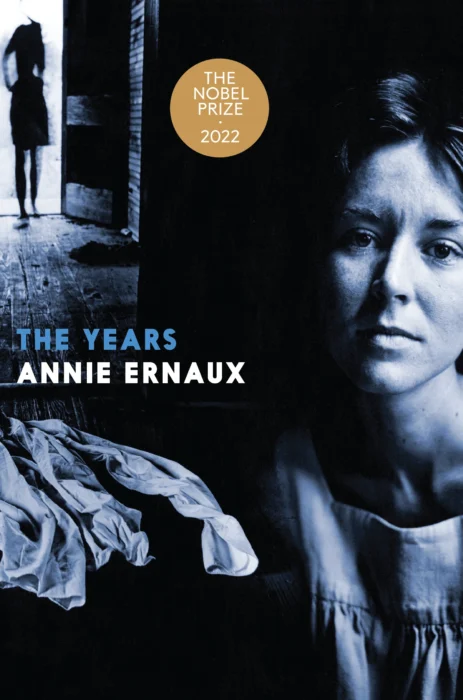
There is something deceptive about The Years.
At first glance, it appears to be a memoir: a collection of small images, scents, and fleeting sentences one carries throughout a lifetime. But very quickly it becomes clear that this is not a book about memory at all. It is a book about time itself, and the way it passes through us while leaving us outside of it.
Ernaux gathers fragments of life and constructs a collective consciousness from them: objects, gestures, political slogans, faded photographs. From these, she does not build a narrative, but a state of mind. A consciousness that is far more “we” than “I”.
This is not a memoir. It is an archive—an attempt to hold on to something that is already disappearing.
At the beginning, there is a powerful sense of revelation. There is an almost abstract beauty in the way Ernaux invites us to look at life. Suddenly, ordinary details take on a glow, as though time itself is being re-photographed through her language. She forces the reader to change pace: to slow down, to listen to the quiet between things.
This choice is moving in itself, because it turns the book into a cognitive experience rather than a narrative.
The moment the reader understands that The Years is not memory, but a literary experiment, is a moment of disillusionment. The book does not seek emotion. It seeks thought. It asks us to face time as a space, not as a collection of experiences.
And here lies Ernaux’s brilliance:
She is not telling her life story; she is trying to preserve something that cannot be maintained.
This is literature born of existential fear, not nostalgia.
But as the reading progresses, the spell fades.
The movement slows, the tone remains fixed, and repetition becomes noticeable.
Ernaux refuses to offer what culture expects from literature: drama, rupture, transformation.
For her, those are distortions of reality. Life is not built from grand moments, but from the quiet accumulation of nearly identical days.
Monotony is not a flaw but a deliberate choice.
She seeks to turn the reading experience itself into a reflection:
If time stretches without change, perhaps this is precisely how it is felt.
This is where the aesthetic precision and the existential insight converge and collide with the reader’s need for comfort.
And so the essential question emerges:
Is the emotional distance a barrier?
Or is it the only space in which time can be seen clearly?
The distance is not avoidance. It is an ethical stance.
Ernaux refuses emotional amplification because it distracts from the actual movement of time.
That distance is an instrument, not an emptiness.
The harmony becomes monotony.
The monotony becomes paradox:
A mesmerizing literary beauty,
Yet exhausting and austere.
As a reader, I found myself oscillating between beauty and fatigue.
Moments of crystalline clarity, like cold water, followed by stretches of heaviness that resist emotional release.
Everything remains at a single temperature.
And yet, from this structure arises a rare truth:
Our personal story is not the center of the universe.
It is a thin layer within something larger, an echo of time passing as it gathers us into itself.
When I closed the book, I felt neither satisfaction nor disappointment.
I felt something else entirely:
Understanding.
Understanding that time is not what we remember,
But what remains after memory erodes.
This is not an emotional experience.
It is a cognitive one.
I did not read Ernaux to enjoy her.
I read her to understand what life looks like when viewed without the comfort of drama.
לגלות עוד מהאתר Sivi's Books
Subscribe to get the latest posts sent to your email.