For English review, please scroll down.
The Original אינו ספר גדול במובן הכמותי שלו. הוא קטן, ממוקד, מאופק. דווקא משום כך הוא פותח מחשבה רחבה הרבה יותר. לא רק מה קורה כשאפשר לייצר עוד "אני", אלא מה קורה לזהות האנושית ברגע שבו האפשרות הזו נהיית הגיונית מדי. ברגע שבו היא מפסיקה להיות תרחיש מדעי מלחיץ והופכת להיות פתרון נוח לאי נוחות קיומית. כאן נכנס פופר, אבל לא כקישוט. הוא מזכיר לנו עד כמה צורות חשיבה מסוגלות להפוך לשגרה, עד כמה מהר רעיון הופך להיגיון, ועד כמה מסוכן הרגע שבו טכנולוגיה כבר איננה כלי, אלא אמת. הרגע שבו אנחנו מפסיקים לשאול אם משהו ראוי, ושואלים רק אם הוא אפשרי.
ב־The Original החברה אינה אלימה, היא פשוט יעילה. והיעילות הזו מפחידה יותר מכל דיסטופיה או אפוקליפסה. זו לא שליטה דרך כוח גלוי, זו שליטה דרך שכנוע פנימי, דרך תחושה שהבחירה הייתה שלנו מלכתחילה.
ומכאן אל שאלת הזהות. הספר לוחץ על הנקודה הזו בלי להרפות. גם בלי שיבוטים, זהות אנושית אינה דבר יציב. הגוף משתנה, הזיכרון אינו ארכיון נאמן אלא מנגנון שמתקן, מוחק ומספר מחדש, והעדפות נעות כמעט בלי שנרגיש. מה שנדמה כקביעות מתגלה כאשליה שימושית. לא גרעין מוצק, אלא תנועה מתמשכת. כבר הרקליטוס דבר על הזהות כנהר, לא כעצם.
מתוך ההבנה הזו עולה השאלה החדה באמת: אם זהות היא תהליך, מדוע החד־פעמיות מעסיקה אותנו כל כך. מה בדיוק מאוים כאשר נוצר תהליך נוסף הדומה לנו עד כדי חפיפה.
המתח נוצר משום שהתודעה חיה בפער. הזהות פועלת כתהליך משתנה, אך החוויה הפנימית זקוקה לאחדות כדי להתקיים. לא כעיקרון מטאפיזי, אלא כתנאי חיים. לכן החד־פעמיות אינה נשמה חתומה מראש ואינה קודש מופשט. היא ממוקמת בחוויה עצמה. בהיותי אני, כאן ועכשיו. גם אם אפשר לשכפל זהות, אי אפשר להמשיך תודעה. “אני” אחר, זהה ככל שיהיה, אינו המשך אלא התחלה נפרדת. החד־פעמיות מצטמצמת למה שהיא באמת: פעם אחת של חוויה מודעת בעולם מסוים. גוף אחד, זמן אחד, הכרה אחת. לא נצח, אלא קיום שמתרחש פעם אחת בלבד.
בנקודה הזו הספר מפסיק להיות תרגיל רעיוני והופך לעימות ישיר עם הקורא. לא משום שהוא מטיף נגד טכנולוגיה. טכנולוגיה אינה אויב. ההשלמה שלנו איתה בלי לשאול שאלות היא האיום האמיתי. הנכונות שלנו לקרוא לשינוי קדמה רק מפני שהוא מתרחש. הנטייה להסכים לייעול עצמי עד הנקודה שבה איננו יודעים עוד על מה בדיוק אנחנו מוותרים.
The Original מסרב להיות ספר מרגיע. הוא אינו מבטיח שנישאר. אינו מבטיח שאנחנו מיוחדים מטבענו. אינו מבטיח שיש גרעין זהות נצחי ששומר עלינו. הוא פשוט מעמיד אותנו מול השאלה האחת שאיננו אוהבים להישאר מולה: אם אנחנו נהר, האם זה מספיק כדי להצדיק אותנו. ואם כן, למה כל כך חשוב לנו להגן על הנהר הספציפי הזה, כאן ועכשיו.
The Original אינו מציע נחמה. הוא גם אינו מנסה להזהיר מפני טכנולוגיה ככוח חיצוני ועוין. הסכנה שהוא מצביע עליה נמצאת במקום שקט יותר: בנכונות שלנו לקבל שינוי רק משום שהוא אפשרי, ובוויתור ההדרגתי על שאלות שהפכו לא לא־נוחות מדי. הספר לא מבטיח זהות יציבה, ולא מבטיח חד־פעמיות כערך מקודש. הוא משאיר אותנו מול שאלה אחת, פשוטה וקשה: בעולם שבו אפשר לשכפל, האם אנחנו עדיין יודעים לומר למה חשוב לנו להיות בלתי ניתנים להחלפה.
The Original/ Brandon Sanderson, Mary Robinette Kowal
Kindle Edition, 2020, 112 Pp
דירוג SIVI –
איכות אודיו –
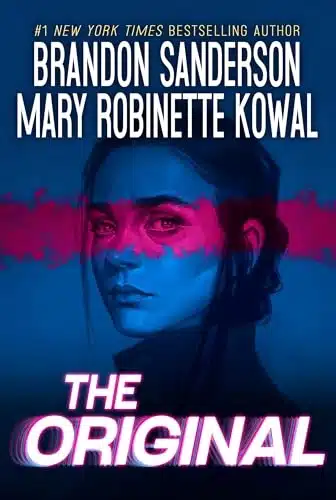
The Original is not a “big” book in the quantitative sense. It is small, focused, and restrained. Precisely for that reason, it opens up a much wider field of thought. Not only what happens when another “me” can be created, but what happens to human identity the moment that possibility becomes a little too reasonable. The moment it stops being a frightening sci-fi scenario and starts feeling like a comfortable solution to existential discomfort. This is where Popper enters the room, and not as decoration. He reminds us how easily ideas become habits, how quickly thought turns into “logic,” and how dangerous the moment is when technology stops being a tool and becomes truth. The moment we stop asking whether something is right, and ask only whether it is possible.
In The Original, society is not violent. It is efficient. And that efficiency is more frightening than any dystopia of iron. This is not controlled through visible power. It is controlled through internal persuasion, through the quiet feeling that the choice was always ours.
And from here, identity. This is where Heraclitus and his river step in, and the book presses that sore spot until it hurts. Even without cloning, we are never the same person. The body changes. Memory is not an honest archive but a stubborn storyteller, revising, erasing, repainting. Preferences shift. Perspectives move by millimeters. Maybe stability was always a comforting illusion. Perhaps we really are a river, always in motion. Always slightly different.
And then the tricky question appears. If we are a river, why are we so desperate to defend our uniqueness? If we are a process, what actually breaks when another process appears?
The uncomfortable truth is that we are a river, but we are also creatures who insist on experiencing ourselves as stone. We know identity shifts, yet we need a sense of inner unity to avoid falling apart. So if uniqueness has meaning, it is not a mystical, metaphysical core. It is not a sealed soul. It sits elsewhere, not in identity as an “object” but in consciousness as lived experience. You can replicate identity. You cannot replicate being. Even if an identical “me” is created, it will not continue me. It will not take my place. It will simply be another being experiencing itself as internally whole. Uniqueness is not a sacred, untouchable essence. It is something far simpler: one instance of conscious life in a particular world. One body. One time. One awareness. Not eternity, but a single lived existence.
At that point, the book becomes genuinely essential. Not because it preaches against technology. Technology is not the enemy. Our willingness to accept it without asking questions is. Our readiness to call every change “progress” simply because it happens. Our eagerness to optimize ourselves to the point where we no longer know what we are sacrificing.
The Original refuses to comfort. It does not promise that we will remain. It does not promise that we are special by nature. It does not promise a protected, eternal core of identity. It simply leaves us with the question we most dislike standing before. If we are a river, is that enough to justify us? And if it is, why is it so essential to defend this specific river, here and now?
And alongside all this, the simple thing must be said. This is a finely written novella. Sharp. Controlled. Precise. It does not scream its ideas. It lays them down exactly where it hurts. It does not lecture. It acts. And something remains afterwards. A discomfort. A moral unease. And a small, grateful reminder that literature can still drag us back to questions we have learned not to ask simply because they scare us.
לגלות עוד מהאתר Sivi's Books
Subscribe to get the latest posts sent to your email.
לי נראה, שמדובר בשתי שאלות שונות: האם אנחנו נשארים כמו שאנחנו, והאם אנחנו חד פעמיים. לראשונה השבת בשלילה, בעקבות הרקליטוס, ואני מסכים, כמובן. לשניה אין לי תשובה, אבל לשאלה שנגזרת ממנה, מדוע חשוב לנו להיחשב חד פעמיים, דווקא יש לי תשובה: יש לנו תחושה שאם העולם יכיר בחד פעמיותנו, יהיה לו חשוב שנמשיך לחיות, הוא יימנע מהכחדתנו גם אם אנחנו לא בדיוק מועילים לו.
חסר לי בסקירה שלך תיאור של הדמויות והעלילה בנובלה.
זה מה שאני מחפש בספרים, לפני המחשבות הקיומיות.
מאחר שזו נובלה קצרה כל תיאור עלילתי למעשה מספיילר כי הם נכנסים ישירות לתוך העלילה. בעיקרון הנובלה עוסקת בשיבוט בני אדם והתוצאות שלו וגם מה קורה למי שלא מקבל את האפשרות של שיבוטים. היא קצבית ומהירה והיא מתגלגלת באופן מהיר.
"דווקא יש לי תשובה: יש לנו תחושה שאם העולם יכיר בחד פעמיותנו, יהיה לו חשוב שנמשיך לחיות, הוא יימנע מהכחדתנו גם אם אנחנו לא בדיוק מועילים לו."
אבל העולם הוא אנחנו, ואנחנו משמידים את עצמנו. זו אחת הבעיות שעולה בנובלה הזו, האופן שבו אנחנו מכחידים את עצמנו בצורות שונות ובינהן השיבוטים.