Please scroll down for an English review.
The Opposite of Fate הוא ספר שכתוב יפה מדי, ואז כתוב יפה מדי שוב. אמי טאן יודעת לכתוב סיפור. יש לה זיכרון חד, והיא יודעת להפוך גפרור משפחתי למדורה תרבותית. בהתחלה אני מקבלת את זה כמתנה: הפוגה מכל השושלות והחרבות, כניסה לבית שבו המילים הן כלי הישרדות. ואז, באמצע, מתברר שגם מתנות יכולות להתארך יותר מדי.
הדבר הכי חזק בספר נמצא כבר במשחק הלשוני הקטן, המלוכלך, הבלתי ניתן לתרגום: האם שמנסה לומר faith ויוצא לה fate. לא “טעות הגייה” חמודה. תמצית חיים שלמים. אמונה שמתחפשת לשליטה, גורל שמגחך בשקט. טאן מציעה אפשרות אכזרית: אולי faith הייתה תמיד רק הסיפור שסיפרנו לעצמנו כדי להרגיש שההגה בידיים. ואולי fate היה שם כל הזמן, פשוט בלי מוסר ובלי נחמה.
משם טאן בונה את המיתולוגיה הביתית שלה על שני עמודים. אב כומר. אמונה עיקשת, כמעט עיוורת. אח בן שש־עשרה עם גידול מוחי, ומת בתוך חודשים. אחר כך האב עצמו, שוב גידול מוחי, שוב הסוף. זה לא “מסר”. זו חזרה אכזרית. אפשר היה לעשות מזה טרגדיה כבדה, ואולי זה גם היה מוצדק. טאן לא מקדשת את זה. היא לא בונה מזבח. היא כותבת, כי בלי סיפור זה נשאר רק הדבר עצמו: מכה, ועוד מכה.
ומול האמונה הזאת עומדת האם, עם דת אחרת לגמרי. לא כנסייה, לא פסוקים, לא תשובות משמיים, אלא רוחות. סימנים. לוח ווג’י שמופעל כמו מוקד שירות, כדי לקבל החלטות על הדברים הכי יומיומיים והכי משפחתיים: כסף, ענישה, לאן שולחים את הילדה כשנמאס ממנה. האם משוכנעת שטאן רואה רוחות. טאן עצמה לא רואה כלום. היא רק רוצה שייגמר הטקס, ולכן היא מספקת תשובות. לא מתוך אמונה, מתוך הישרדות. כאן נוצרת השפה שלה: להבין שלפעמים אנשים לא מחפשים אמת, הם מחפשים הצדקה. ואם אין להם אחת, הם ימצאו אותה בעולם הבא. לפעמים אפילו לא צריך עולם הבא. מספיק בקבוק ניקוי מתחת לכיור, והנה “חזון” על הולנד הנקייה. אחר כך מוכרים הכול ועוברים לאירופה. לכאורה גחמה. בפועל, זו אותה שיטה: סימן שמחליף שיקול דעת, סיפור שמחליף מציאות.
זה המקום שבו טאן הכי טובה. החלטות גורליות מתחילות מגחמה קטנה. אחר כך מגיע הסיפור, והוא כבר עושה את העבודה: מסדר את המקריות, נותן לה היגיון, והופך אותה להכרח. “סימנים” לא מחליפים שיקול דעת, הם נותנים לו אליבי. אם יש בספר רגעים שמצדיקים את קיומו, הם כאן, בבית עצמו, במקום שבו הסיפור מנצח את המציאות עוד לפני שהיא מספיקה להתנגד.
ואז מגיעה הבעיה: באיזשהו שלב הספר מסביר את עצמו למוות.
כשהיא טובה היא חדה כמו מחט. היא יודעת לשלב צחוק וכאב, משפחה ותרבות, אמונה וגורל, ולהראות שהחיים אינם “סיפור עם משמעות”, אלא מלחמה על משמעות. הבעיה מתחילה כשהיא לא סומכת על הקורא, וחוזרת להסביר את מה שכבר אמרה היטב.
והשאלה האמיתית, מתחת ל־faith ול־fate, פשוטה מדי מכדי לנחם: כמה מהחיים בחרנו, וכמה מהם רק חיברנו להם סיפור כדי שלא ניאלץ לומר את האמת.
The Opposite of Fate/ Amy Tan
Kindle Edition, 2003, 428 Pp
דירוג SIVI –
איכות אודיו –
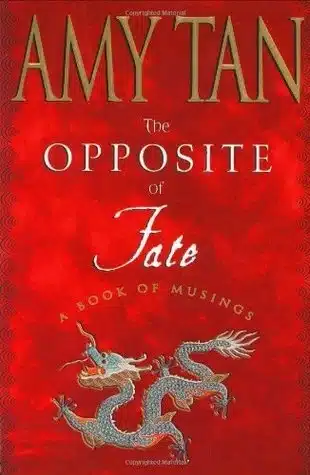
The Opposite of Fate is written too beautifully, and then written too beautifully again. Amy Tan knows how to tell a story. She has a sharp memory, and she can turn a family matchstick into a cultural bonfire. At first, I take it as a gift: a break from dynasties and swords, an entrance into a home where words are survival tools. And then, halfway through, it becomes clear that even gifts can go on too long.
The book’s strongest moment is already there in the small linguistic game, dirty and untranslatable: a mother trying to say faith and ending up with fate. Not a cute “mispronunciation.” The essence of an entire life. Belief disguised as control, destiny smirking quietly. Tan offers a cruel possibility: maybe faith was always just the story we told ourselves so we could believe our hands were on the wheel. And maybe fate was there all along, simply without morals and without comfort.
From there, Tan builds her household mythology on two pillars. A father who is a minister. A stubborn faith, almost blind. A sixteen-year-old brother with a brain tumor died within months. Then the father himself, another brain tumor, another ending. This is not a “message.” It is a brutal repetition. You could make heavy tragedy out of it, and it would even be justified. Tan does not sanctify it. She does not build an altar. She writes, because without a story it stays as only the thing itself: a blow, and then another blow.
Against that faith stands the mother, with an entirely different religion. Not church, not verses, not answers from above, but spirits. Signs. A Ouija board operated like a service desk, used to make decisions about the most everyday, most family matters: money, punishment, where to send the daughter when you are fed up with her. The mother is convinced Tan can see ghosts. Tan herself sees nothing. She wants the ritual to end, so she supplies the answers, not out of belief, but out of survival. This is where her language forms: realizing that sometimes people are not looking for truth, but for justification. And if they do not have one, they will find it in the next world. Sometimes you do not even need a next world. A cleaning bottle under the sink is enough, and suddenly there is a “vision” of spotless Holland. Then they sell everything and move to Europe. Supposedly a whim. In practice, the same method: signs replacing judgment, story replacing reality.
This is where Tan is at her best. Fateful decisions begin with a small impulse. Then the story arrives and does its work: it organizes randomness, gives it logic, turns it into necessity. “Signs” do not replace judgment; they give it an alibi. If the book contains moments that justify its existence, they are here, inside the home itself, where the story defeats reality before reality has time to object.
And then the problem arrives: at some point, the book explains itself to death.
When she is good, she is as sharp as a needle. She knows how to braid laughter and pain, family and culture, belief and destiny, and show that life is not “a story with meaning,” but a fight over meaning. The trouble begins when she does not trust the reader and returns to explain what she has already said perfectly well.
And the real question, beneath faith and fate, is too simple to be comforting: how much of life did we choose, and how much did we merely attach a story to, so we would not have to say the truth.
לגלות עוד מהאתר Sivi's Books
Subscribe to get the latest posts sent to your email.
תודה על הסקירה. נשמע ספר מעניין אבל כנראה גם מייגע…