Please scroll down for an English review.
The March of Folly בנוי כמו כתב אישום נגד ההתמכרות האנושית לטעות, אבל הוא גם יודע להתחמק ברגעים שבהם כתב אישום אמור להרשיע. הוא מבריק במבט־על; פחות משכנע כשצריך לרדת לפרטים ולהכריע. ובכל זאת, כשהוא עובד, הוא ננעץ כמו סכין ומגלה לקורא אמת לא נעימה: אתה לא “היית עושה אחרת”. היית עושה בדיוק אותו דבר, רק בניסוח אלגנטי יותר, ועם הרבה יותר הצדקות.
הטריק של טוכמן פשוט, כמעט אכזרי. היא לא מחפשת “רוע”. היא מחפשת את הרגע שבו האדם עומד מול המציאות, ובוחר להסב את הראש הצידה. איוולת אינה טעות חד פעמית אלא מדיניות מתמשכת, שפועלת נגד עצמה: נגד הראיות, נגד האינטרס, נגד השכל הישר. זה ממשיך מכוח האינרציה. לא כי לא ידעו. כי לא רצו לדעת. זה ספר על אנשים שיש להם מידע ביד אחת ותירוץ ביד השנייה, והם בוחרים להקשיב לתירוץ.
טרויה היא פרולוג מושלם בגלל קסנדרה. היא רואה. היא מזהירה. ואז נחשף הדבר האמיתי: לא האסון, אלא הסירוב להאמין. לא מאמינים לה. לא רוצים להאמין. ההחלטה להכניס את הסוס אינה כניעה לאלים. זו כניעה לצורך האנושי בשקט מדומה, בסיום נוח. הם שותים, צוחקים, קוראים לזה “רכילות של נביאה”, ואז עושים את הטעות שאין ממנה חזרה. כאן טוכמן נועצת את הלהב: ברגע שבו עוד אפשר לבחור, הם בוחרים, ואז מכנים את הבחירה “גורל”. “גורל” הוא שם מכובס לציפיות שהאדם מגשים על עצמו. לא “גורל” גזר על טרויה כלייה. טרויה בחרה. וזה הדלק של העולם המודרני: לגדל אסון, ואז להתפלא שהוא “קרה”.
מטרויה היא עוברת לרנסנס של האפיפיורים, ושם היא נוגעת במקום הכואב יותר: לא טעות רגעית, אלא מערכת שמכורה לכוח. זו לא “סטייה”, זו שיטה. בתקופה שהיא מציבה, בערך 1470 עד 1530, היא מצביעה על רצף של פונטיפיקטים שממחישים איך מוסד רוחני פועל ככוח מדיני וכלכלי. אלה השמות בשרשרת האחריות: סיקסטוס הרביעי, אינוקנטיוס השמיני, אלכסנדר השישי לבית בורג’יה, יוליוס השני, ליאו העשירי לבית מדיצ’י, וקלמנס השביעי, עוד מדיצ’י. באמצע יש “הפסקה” קצרה, אדריאנוס השישי, כמו ניסיון רפורמה שנבלע בשגרה. הרשימה הזו נשמעת כמו אלבום מדבקות של יוקרה, אבל אצל טוכמן היא רשימת פעולות: נפוטיזם, מלחמות, מכירת משרות, כסף, פאר, ובשיא, אינדולגנציות שנמכרות כחסד. התזה שלה כאן חדה: הרפורמציה לא הייתה “מרד תיאולוגי טהור”, אלא תגובה של מאמינים שהבינו שהמוסד איבד את הזכות המוסרית לדרוש ציות, לדבר בשם קדושה.
ועדיין, כאן אני לא מוכנה להיות נדיבה. טוכמן לפעמים נשמעת כמו מי שפוחדת לומר בקול שהבעיה אינה רק שחיתות, אלא תפיסת עולם. מוסד שמאמין שהמשך כוחו חשוב מן האמת שהוא אמור לייצג. היא מדייקת היסטורית, אבל מתאפקת רגשית. וזה לא רק עניין של סגנון, זה ויתור מוסרי: יש רגעים שבהם תיאור קריר אינו ניטרלי. הוא עוד דרך להשאיר את המשחק של הממסד חי, רק בדיעבד.
ואז מגיעה וייטנאם, ופתאום טוכמן מתעוררת. כאן היא בבית, כי זו האיוולת המודרנית בתפארת האפורה שלה: טפסים, בריתות, והיגיון שמסביר לעצמו הכול. והכותרת שלה, “אמריקה בוגדת בעצמה”, אינה דרמה, היא אבחנה. היא מתחילה מרוזוולט, שלדעתה לא היה תמים לגבי קולוניאליזם, והתנגד להחזרת אינדוצ'ינה לצרפת. ואז הוא מת, והמערכת עושה מה שמערכות עושות טוב יותר מכל אדם: היא ממשיכה קדימה גם כשההיגיון המקורי נעלם. עיקרון מוחלף באינטרס. אירופה, צרפת, חזית מול ברית המועצות, “לשמור על הציר”. וכך מכשירים את מה שלא רצו להכשיר, לא מפני שזה נכון, אלא מפני שזה נוח. כי “נוח” הוא שם מכובס לוויתור.
הנקודה החזקה שלה היא הסירוב לקנות את אגדת ה“נשאבו לביצה”. היא לא מקבלת מדרון חלקלק כמטפורה לחפות. היא אומרת: הם ידעו. המידע זרם. האזהרות נכתבו. המומחים ראו את הסימנים. ובכל זאת המשיכו, מפני שמדיניות שכבר החלה הופכת לזהות, לא לתוכנית. כאן היא פוגעת בדיוק במקום שבו אמריקה רגילה לשקר לעצמה: היא קוראת לזה “מחויבות”, “אמינות”, “מנהיגות”. אבל כשמגרדים את הצבע, זה פחד להיראות חלשה.
וכשקנדי נכנס לתמונה, הסכין סוף סוף יוצאת בלי עטיפה אקדמית. טוכמן מציירת מנהיג שמבין שהסיפור רע, שמרגיש את המלכודת, שאפילו אומר את האמת בחדרים סגורים, ואז דוחה אותה בשם לוח הזמנים הפוליטי. לא עכשיו. קודם בחירות 1964. זה הרגע שבו איוולת מפסיקה להיות כשל שיפוט והופכת לשחיתות מוסרית. קנדי לא מצטייר כאן כ“אדם רע”. הוא מצטייר כמי שבוחר סדר עדיפויות מעוות מבחינה מוסרית: הקריירה לפני החיים שנשלחים להילחם. זו החלטה שמייצרת מוות כשהמחליט כבר לא מאמין במטרה. זה לא כשל מודיעיני. זו הכרעה לטובת בחירות, על חשבון חיים.
ובתוך זה טוכמן מביאה גלריית דמויות שמוכיחה עד כמה אינטליגנציה יכולה להיות פתטית כשהיא כפופה לכוח. מקנמארה, הכוהן הגדול של המספרים, שמאמין שאם משהו ניתן למדידה אז הוא ניתן לניהול. וברגע שהוא “ניתן לניהול”, בני אדם הופכים לשורה בטבלה. גלבריית, שאומר “אנחנו נשואים לכישלון” ומושתק. מנספילד שמזהיר, וקנדי כועס עליו בדיוק מפני שהוא יודע שהוא צודק. והנה שוב קסנדרה, רק עם חליפה, מסמכי רקע, תדרוכים וקפה פושר של וושינגטון.
מה שקושר את טרויה, האפיפיורים ווייטנאם יחד אינו “טעות”. טוכמן לא כותבת על טעות. היא כותבת על טקס. טקס שבו חברה מקריבה משהו, מרוויחה שקט זמני, וממשיכה כאילו לא קרה דבר. טרויה מקריבה אמת וקוראת לזה גורל. רומא מקריבה אמון וקוראת לזה מסורת. אמריקה מקריבה חיים ואת הדימוי העצמי שלה, וקוראת לזה אמינות. בכל המקרים יש בחירה, ואז מגיע הסיפור שמלבין אותה. וזה החלק הכי מעצבן, כי הוא מוכר מדי גם כאן, עם המילון המקומי של “אין ברירה”.
אז כן, זה ספר חכם, וקוראים ירוויחו ממנו דווקא מפני שהוא מציג איוולת כתופעה תרבותית, לא כתאונה. אבל צריך לקרוא אותו עם חשד. טוכמן עצמה, לפעמים, נשענת על האירוניה יותר מדי, ונרתעת מהרגע שבו צריך לומר בפשטות: אנשים מתים לא בגלל “טעות היסטורית”, אלא מפני שמישהו העדיף להיראות חזק, לא למצמץ, ולא להודות בכישלון.
והשאלה שהיא משאירה, גם אם לא תמיד במלוא האומץ שהיא דורשת מאחרים, נשארת כמו טעם מר: לא למה הם טעו, אלא למה כל דור בטוח שהפעם הוא רק “מנהל סיכונים”, בזמן שהוא שוב, בנימוס, מכניס את הסוס בשער.
The March of Folly: From Troy to Vietnam/ Barbara W. Tuchman
Kindle Edition, 1984, 447 Pp
דירוג SIVI –
איכות אודיו –
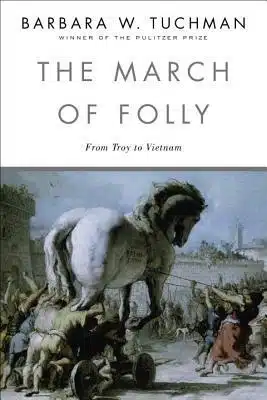
The March of Folly is built like an indictment of humanity’s addiction to error, and yet it also knows how to dodge the very moments when an indictment is supposed to convict. It is brilliant from a distance. Less persuasive when it has to descend into particulars and deliver a verdict. And still, when it works, it sinks in like a knife and shows the reader an unpleasant truth: you would not “have done otherwise.” You would have done the same thing, only in more elegant phrasing, with far more justifications.
Tuckman’s trick is simple, almost cruel. She is not hunting for “evil.” She is hunting for the moment a person stands facing reality and chooses to look away. Folly is not a single mistake but a sustained policy that works against itself: against evidence, against interest, against common sense. It continues by inertia. Not because they did not know, but because they did not want to know. This is a book about people holding information in one hand and an excuse in the other, and choosing to listen to the reason.
Troy is a perfect prologue because of Cassandra. She sees. She warns. And then the real thing is exposed: not the disaster, but the refusal to believe. They do not believe her. They do not want to consider. The decision to bring the horse inside is not a surrender to the gods. It is a surrender to the human need for a counterfeit calm, a convenient ending. They drink, they laugh, they call it “a prophetess’s gossip,” and then they commit the one mistake that cannot be undone. Here, Tuckman drives in the blade: at the moment when a wiser choice is still possible, they choose, and then they rename the choice “fate.” “Fate” is a sanitized label for expectations humans fulfill of themselves. No “fate” decreed Troy’s destruction. Troy chose. And that is the fuel of the modern world: to raise an impending catastrophe, and then act surprised that it “happened.”
From Troy, she moves to the Renaissance popes, and there she touches an even more painful place: not a momentary error, but a system addicted to power. Not a “deviation,” a method. In the period she marks out, roughly 1470 to 1530, she points to a chain of pontificates that show how a spiritual institution can operate as a political and economic force. These are the names in the chain of responsibility: Sixtus IV, Innocent VIII, Alexander VI of the Borgia house, Julius II, Leo X of the Medici, and Clement VII, another Medici. In the middle, there is a brief “pause,” Adrian VI, like a reform attempt swallowed by routine. The list sounds like a luxury sticker album, but in Tuchman it is a list of actions: nepotism, wars, the sale of offices, money, splendor, an,d at the peak, indulgences sold as grace. Her thesis is sharp: the Reformation was not a “pure theological revolt,” but a reaction by believers who understood that the institution had lost the moral right to demand obedience, to speak in the name of holiness.
And still, here I am not willing to be generous. Tuckman sometimes sounds like someone afraid to say out loud that the problem is not only corruption, but a worldview. An institution convinced that the preservation of its power matters more than the truth it is meant to represent. She is historically precise, but emotionally restrained. That is not merely a matter of style. It is a moral retreat. There are moments when a cool description is not neutral. It is another way of keeping the establishment’s game alive, only retroactively.
And then Vietnam arrives, and Tuckman suddenly wakes up. Here she is at home, because this is modern folly in its gray glory: forms, alliances, and a logic that can explain anything to itself. Her title, “America Betrays Herself,” is not melodrama. It is a diagnosis. She begins with Roosevelt, whom she sees as neither naïve about colonialism nor opposed to the return of Indochina to France. Then he dies, and the system does what systems do better than any individual: it keeps going even when the original logic disappears. Principle is replaced by interest. Europe, France, a front against the Soviet Union, “protect the axis.” And so they legitimize what they did not want to legitimize, not because it is right, but because it is convenient. Because “convenient” is a sanitized name for surrender.
Her strongest move is her refusal to buy the “we were sucked into a quagmire” myth. She does not accept the slippery slope as a metaphor for innocence. She says: They knew. Information flowed. Warnings were written. Experts saw the signs. And yet they continued, because a policy that has already begun turns into identity, not a plan. Here she strikes exactly where America tends to lie to itself: it calls it “commitment,” “credibility,” “leadership.” But scrape the paint, and it is the fear of looking weak.
When Kennedy enters the picture, the knife finally comes out without academic wrapping. Tuckman portrays a leader who understands the story is bad, who senses the trap, who even tells the truth behind closed doors, and then postpones it in the name of the political calendar. Not now. First, the 1964 election. This is the moment when folly ceases to be an error of judgment and becomes moral corruption. Kennedy is not drawn here as a “bad man.” He is depicted as someone choosing a morally distorted order of priorities: career before the lives of those being sent to fight. It is a decision that produces death when the decision-maker no longer believes in the cause. This is not an intelligence failure. It is a ruling in favor of elections, at the expense of lives.
Within that, Tuckman stages a gallery of characters proving how pathetic intelligence can become when it is subordinated to power. McNamara, the high priest of numbers, believed that if something can be measured, it can be managed. And once it is “manageable,” human beings become a line in a table. Galbraith, who says “we are married to failure,” is silenced. Mansfield, who warns, and Kennedy, who snaps at him precisely because he knows he is right. And here is Cassandra again, only in a suit, with background papers, briefings, and Washington’s lukewarm coffee.
What binds Troy, the popes, and Vietnam is not “mistake.” Tuckman is not writing about mistakes. She is writing about ritual. A ritual in which a society sacrifices something, gains temporary quiet, and continues as if nothing happened. Troy sacrifices truth and calls it fate. Rome sacrifices trust and calls it tradition. America sacrifices lives and its self-image and calls it credibility. In every case, there is a choice, and then comes the story that launders it. That is the most infuriating part, because it is too familiar here as well, with our local dictionary of “there is no choice.”
So yes, it is a brilliant book, and readers will benefit from it precisely because it presents folly as a cultural phenomenon rather than an accident. But it should be read with suspicion. Tuchman herself sometimes leans too heavily on irony, and flinches from the moment when she must say plainly: people die not because of a “historical mistake,” but because someone preferred to look strong, not to blink, and not to admit failure.
And the question she leaves behind, even if not always with the full courage she demands of others, lingers like a bitter taste: not why they erred, but why every generation is certain that this time it is only “managing risks.” At the same time, it once again, politely, brings the horse through the gate.
לגלות עוד מהאתר Sivi's Books
Subscribe to get the latest posts sent to your email.
פינגבאק: רעש לבן, מציאות אדומה: דלילו, סטטיסטיקה וההרגל להפסיק לחשוב - Sivi's Books