Please scroll down for an English review.
הגעתי לספר The Butterfly Lampshade כשהראש שלי כבר היה מותש מ"האחו החריש את אוזניי". בהתחלה, השפה של איימי בנדר נראתה כמו מקום שאפשר לנשום בו. זו מלכודת. בנדר כותבת על מחלה נפשית דרך האופן שבו היא מחלחלת לרהיטים, לאור ולזיכרון של ילדה.
פראנסי נאלצת להתבגר מוקדם מדי. בגיל שמונה היא חיה בעולם שבו אי אפשר לסמוך על מבוגרים. אמא שלה מתפרקת, והיא מנסה להחזיק את מה שנשאר. כשהיא מוציאה את השיפוד מהשיער של אמא שלה, או כשהיא קורעת לגזרים את בובות הפרווה כדי להוכיח לה את ההבדל בין חי לדומם, היא מנסה לתקן משהו שילדה לא אמורה לתקן בכלל. היא מנסה להיות המבוגר, המצפון והמחסום האחרון, במקום שבו הכול סביבה כבר מתערער.
בנדר כותבת את פראנסי כמעט רק דרך הדריכות, החמלה והצורך להציל. זו בחירה ספרותית נקייה מדי. החיים לצד מחלה נפשית מייצרים גם כעס, שנאה, גועל, אשמה, ורגעים שבהם כל מה שרוצים הוא שהדבר הזה פשוט ייגמר. לפעמים זו משאלה שהאדם המתפרק ייעלם. לפעמים זו משאלה להיעלם איתו לרגע מן הסיוט כולו. את זה בנדר כמעט לא כותבת. היא נשענת על הילדה שמנסה להציל את אמא, ובדרך מרככת את החלקים המכוערים יותר, ולכן גם האמיתיים יותר, של החוויה.
הספר בנוי מחפצים, וכל אחד מהם נושא פחד. המנורה עם הפרפרים שפראנסי דמיינה שהיא בולעת, המנעול שביקשה שישימו לה על דלת החדר כדי שלא תפגע באף אחד בלילה, האוהל במרפסת. אלה מנגנוני הישרדות. פראנסי חיה בפחד מתמיד מעצמה. היא חוששת שהחמירה את מצבה של אמא שלה, ושירשה ממנה גנים וגם פוטנציאל להרס.
מה שמבדיל את הספר הזה מן האסתטיקה הקלינית והמנוכרת של ענת עינהר הוא האנושיות החשופה שלו. בנדר מעבדת את האימה דרך חפצים, זיכרון ודימוי, ולפעמים זה כמעט יפה מדי. ובכל זאת, השפה שלה נשארת קרובה לעור גם ברגעים הכי לא נעימים. למשל, כשהיא מספרת לבייביסיטר על המחשבה הרעה שלה, על השריפה והסכינים, רק כדי לבדוק אם מישהו מסוגל לשמוע את החושך שלה בלי לברוח.
הסיום מחזיר הכול לפרופורציה. הפחד, החפצים, הזיכרון, כל המיתולוגיה של הילדות, חוזרים לממדים אנושיים. המנורה המיתית מתגלה כחפץ קטן וצהוב משנות השמונים, המנעול מפורק, והאוהל הופך לשולחן וכיסאות. מצב החירום נגמר. פראנסי בת ה־28 מגלה שהיא יכולה לחיות בעולם בלי בריח על הדלת, כי הבינה שאינה זקוקה עוד למי שישחרר אותה בבוקר. יש כאן גם מחיר מוסרי. ההקטנה הזאת מקטינה גם את האמת של הילדה שהייתה שם. המנורה נעשית קיטש צהוב וקטן, והאימה מקבלת סוף נוח מדי.
הכוח של הספר הזה הוא בהקטנה. הפחד מצטמצם. החפצים חוזרים לגודלם, והזיכרון משלם את המחיר. מה שפעם נראה כמו גורל, מתגלה כשריד של פחד שהחזיק את החיים במצב חירום יותר מדי זמן. ועדיין נשארת החמצה. בנדר יודעת לגעת באימה, אבל לא תמיד מוכנה להישיר מבט אל המקומות שבהם האימה הזאת מולידה לא רק חמלה, אלא גם משאלה להיעלם, לברוח, או זעם. שם היא בוחרת פיוט על פני לכלוך. היא סוגרת את הספר במקום שאפשר לשאת, לא במקום שהיה צריך לכאוב.
The Butterfly Lampshade/ Aimee Bender
Kindle Edition, 2020, 304 Pp
דירוג SIVI –
איכות אודיו –
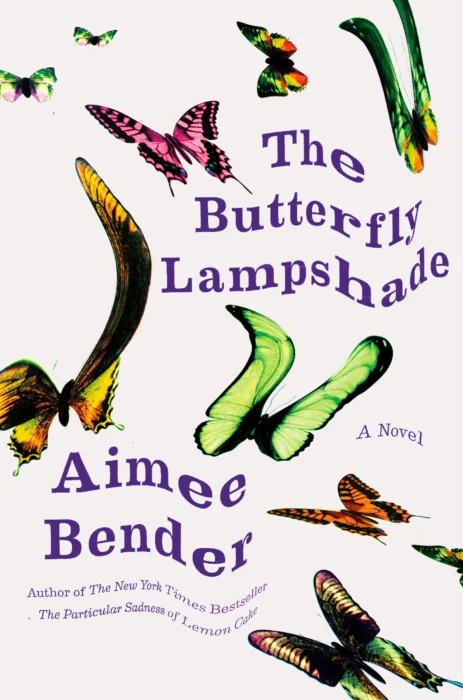
I came to The Butterfly Lampshade when my mind was already exhausted from The Meadow Silenced My Ears. At first, Aimee Bender’s language seemed like a place where I could breathe. It’s a trap. Bender writes about mental illness through the way it seeps into furniture, light, and the memory of a child.
Francie is forced to grow up too early. At eight years old, she lives in a world where adults cannot be trusted. Her mother is falling apart, and Francie tries to hold together whatever is left. When she pulls the skewer out of her mother’s hair or tears the stuffed animals to pieces to prove the difference between living and nonliving things, she is trying to fix something a child should never have to fix. She tries to be the adult, the conscience, and the last barrier in a world already unraveling around her.
Bender writes Francie almost entirely through vigilance, compassion, and the need to save. It is a literary choice that feels too clean. Life alongside mental illness also produces anger, hatred, disgust, guilt, and moments when all you want is for the whole thing to end. Sometimes it is the wish for the person falling apart to disappear. Sometimes it is the wish to disappear with them, just for a moment, out of the nightmare altogether. Bender barely writes that. She leans on the little girl trying to save her mother, and in doing so, softens the uglier and therefore truer parts of the experience.
The book is built out of objects, and each one carries fear. The butterfly lamp that Francie imagined herself swallowing, the lock she asked to have put on her bedroom door so she would not hurt anyone in the night, the tent on the balcony. These are survival mechanisms. Francie lives in constant fear of herself. She worries that she made her mother worse, and that she inherited from her not only genes but also the potential for destruction.
What sets this book apart from the clinical, alienating aesthetic of Anat Einhar is its exposed humanity. Bender processes horror through objects, memory, and image, and at times it is almost too beautiful. Still, her language stays close to the skin even in the most uncomfortable moments. For example, when Francie tells the babysitter about her bad thoughts, about the fire and the knives, only to see whether anyone can hear her darkness without running away.
The ending puts everything back into proportion. The fear, the objects, the memory, the whole mythology of childhood, all return to human scale. The mythical lamp turns out to be a small yellow object from the 1980s, the lock is dismantled, and the tent becomes a table and chairs. The state of emergency is over. Twenty-eight-year-old Francie discovers that she can live in the world without a bolt on the door because she has come to understand that she no longer needs anyone else to release her in the morning. There is also a moral cost here. This reduction also reduces the truth of the girl who was there. The lamp becomes small yellow kitsch, and the horror is given too convenient an ending.
The power of this book lies in reduction. Fear shrinks. The objects return to their proper size, and memory pays the price. What once looked like fate turns out to be the residue of fear that held life in a state of emergency for too long. And still, there remains a sense of loss. Bender knows how to touch horror, but she is not always willing to look directly at the places where that horror produces not only compassion, but also the urge to disappear, to flee, or to rage. There, she chooses lyricism over dirt. She closes the book at the point one can bear, not at the point where it should have hurt.
לגלות עוד מהאתר Sivi's Books
Subscribe to get the latest posts sent to your email.