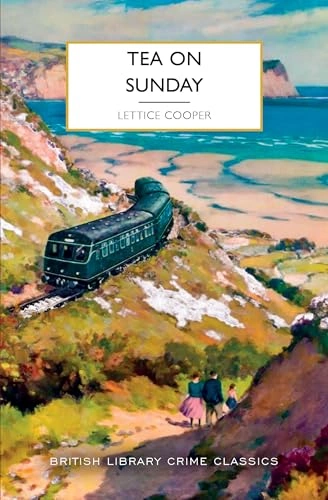
Please scroll down for an English review.
Tea on Sunday מאת לטיס קופר הוא תעלומה בלשית אינטליגנטית ומדוייקת.
מה שצריך לדעת
תעלומה בלשית מאת Lettice Cooper על אלברטה מנסברידג׳, אישה מבוגרת ובעלת כוח, שמזמינה שמונה אנשים לתה ונמצאת חנוקה בביתה הנעול לפני הגעתם.
לקוראים שאוהבים תעלומות בריטיות קלאסיות, מעגל חשודים סגור, חקירות משטרתיות שקטות, סודות משפחתיים וספרים שבהם המניעים האנושיים חשובים לא פחות מן הפתרון.
תנועת החשד בין הדמויות, הבנייה המדויקת של מעגל החשודים, דמותו האנושית של DCI קורבי והאופן שבו אלברטה ממשיכה לשלוט בעלילה גם לאחר מותה.
לא מצאתי בספר חולשה מהותית. הוא אינו מחדש את הז׳אנר ואינו מנסה להדהים בתחבולות ראוותניות, אבל הוא מבצע היטב מאוד את מה שהוא מבטיח.
הספר נפתח בהזמנה לתה של יום ראשון. אלברטה מנסברידג׳, אישה מבוגרת, חזקה ומבוססת, מזמינה שמונה אנשים לביתה שבמערב לונדון. כשהאורחים מגיעים, אין תשובה בדלת. הם מצלצלים שוב ושוב, מנסים ליצור איתה קשר, ולבסוף מזעיקים את המשטרה. כשהשוטרים פורצים פנימה, אלברטה נמצאת מתה ליד שולחן הכתיבה שלה. היא נחנקה. אין סימני פריצה. הבית נעול. וברור למדי שהיא לא הייתה מכניסה אדם זר.
מכאן נבנה מעגל חשודים סגור: אחד המוזמנים הגיע מוקדם יותר, ואחד מהם קשור לרצח.
בין המוזמנים נמצאים הרופא שלה, איש העסקים שלה, בני חסות מפוקפקים, קרובי משפחה, אישה שחיה איתה בעבר, ומנהל החברה המשפחתית שבה לאלברטה יש שליטה. כל אחד מהם קשור אליה בדרך אחרת. כל אחד מהם תלוי בה, חושש ממנה, זקוק לה או מחזיק סיבה טובה לשקר. קופר בונה את המעגל הזה היטב, בלי להפוך את הדמויות לסתם שמות ברשימת חשודים.
תנועת החשד מצוינת. הוא אינו נתקע על אדם אחד, אלא זז מחשוד לחשוד, ובכל פעם נדמה שיש בתנועה הזו היגיון. מניע אחד מתחזק, אחר נחלש. פרט קטן משנה את התמונה. קשר שנראה שולי מקבל משקל. דמות שנראתה כמעט לא רלוונטית מתקרבת פתאום למרכז. קופר מנהלת את התעלומה בדיוק ובסבלנות, בלי תחבולות שמנסות להרשים בכוח.
גם הבלש, DCI קורבי, משתלב יפה בספר. הוא מהורהר, קשוב ואנושי. לא בלש ראוותני, לא גאון תיאטרלי, לא עוד חוקר שמבלבל בין מצוקה אישית לעומק מקצועי. החקירה שלו בנויה על התבוננות באנשים: מי הם, מה הם מסתירים, ומה הם מוכנים לספר לעצמם כדי להמשיך להיראות סבירים.
Tea on Sunday אינו מתמקד רק בשאלה מי רצח את אלברטה. זו גם תעלומה על כוח, תלות, כסף, מעמד, בדידות, והאופן שבו אדם אחד יכול להחזיק בידיו את גורלם של אחרים. אלברטה מתה כמעט בפתיחת הספר, אבל היא ממשיכה לשלוט בעלילה. כולם מוגדרים דרך היחס שלהם אליה: מי פחד ממנה, מי נזקק לה, מי רצה ממנה משהו, מי הרגיש שהיא חסמה אותו, ומי חשב שמגיע לו יותר.
לטיס קופר פרסמה את הספר ב־1973, אבל הוא מעניק תחושה של ספר מוקדם יותר, קרוב יותר במסורת שלו לבלשים הקלאסיים של שנות ה־30 וה־40. יש בו בית, תה, אורחים, רצח, חקירה, וחשד שמסתובב בחדר. הסופרת יודעת מה היא עושה, בונה תעלומה טובה ונותנת לה לעבוד.
וזה עובד. יש בו אווירה, קצב, דמויות, ובעיקר תחושה של יד סופרת בטוחה. הוא לא מנסה להפוך את הז׳אנר על ראשו, ולא צריך להכתיר אותו בכוח כיצירת מופת אבודה. גם להיסטריה ספרותית יש גבול. אבל Tea on Sunday הוא ספר בלשי ממש טוב: חכם, קריא, מאוזן, אנושי, ובנוי היטב.
ספר שאפשר להקשיב לו לפני השינה בלי להרגיש שמוותרים על המוח. להפך: נותנים לו סוף סוף לנוח.
British Library Craim Classic #
Tea on Sunday / Lettice Cooper
Tea on Sunday by Lettice Cooper is an intelligent, quiet, and beautifully constructed mystery.
The novel begins with an invitation to Sunday tea. Alberta Mansbridge, an elderly, powerful, and financially secure woman, invites eight people to her home in West London. When the guests arrive, no one answers the door. They ring repeatedly, try to contact her, and eventually call the police. When the officers break into the house, Alberta is found dead beside her writing desk. She has been strangled. There are no signs of forced entry. The house is locked, and it seems clear that she would not have admitted a stranger.
From this point, Cooper constructs a closed circle of suspects. One of the guests arrived earlier, and that person is probably the one who killed her.
The invited guests include Alberta’s doctor, her financial adviser, several questionable protégés, relatives, a woman who once lived with her, and the manager of the family company over which Alberta still exercises considerable control. Each of them is connected to her differently. Each depends on her, fears her, needs something from her, or has a good reason to lie.
Cooper builds this circle extremely well, without reducing the characters to a list of names and motives.
The movement of suspicion is excellent. It does not remain fixed on a single person but moves from one suspect to another, and each shift feels logical. One motive grows stronger while another weakens. A small detail alters the picture. A relationship that initially seemed insignificant acquires new weight. A character who appeared almost irrelevant suddenly moves towards the center.
Cooper manages the mystery with precision and patience, without relying on tricks designed to impress the reader by force.
The detective, DCI Corby, also fits the novel beautifully. He is thoughtful, attentive, and humane. He is not flamboyant, theatrically brilliant, or another investigator who confuses personal misery with professional depth.
His investigation is based on observing people: who they are, what they conceal, and what they are willing to tell themselves in order to continue appearing reasonable.
Tea on Sunday is not concerned only with the question of who murdered Alberta. It is also a mystery about power, dependence, money, class, loneliness, and the way one person can hold the fate of others in her hands.
Alberta dies near the beginning of the novel, yet she continues to control the plot. Everyone is defined through their relationship with her: those who feared her, those who needed her, those who wanted something from her, those who believed she had blocked their path, and those who thought they deserved more.
Lettice Cooper published the novel in 1973, but it feels as though it belongs to an earlier period, closer to the classical detective fiction of the 1930s and 1940s. It has a house, tea, invited guests, a murder, an investigation, and suspicion circulating through the room.
Cooper knows exactly what she is doing. She crafts a good mystery and lets it work.
And it does work.
The novel has atmosphere, pace, and convincing characters. Above all, it has the assurance of a writer in complete control of her material. It does not attempt to overturn the genre, and there is no need to declare it a forgotten masterpiece. Even literary hysteria should have limits.
Nevertheless, Tea on Sunday is a genuinely good detective novel: intelligent, readable, balanced, humane, and beautifully constructed.
It is the kind of book one can listen to before going to sleep without feeling that one has abandoned one’s brain.
Quite the opposite. One is finally allowing it to rest.
לגלות עוד מהאתר Sivi's Books
Subscribe to get the latest posts sent to your email.