
Please scroll down for an English review.
Speak No Evil אינו עוסק באלימות, אלא במערכות והמנגנונים שמאפשרים לה לקרות. בקריאה ראשונה אפשר לחשוב שמדובר ברומן על זהות מינית, על גזענות, על הורות או אמונה. אבל בעומקו זהו נרטיב אחר לגמרי: ספר שמבקש להראות כיצד מערכות שמתפקדות היטב, באופן תקין ולכאורה מוסרי, מסוגלות להרוג את האדם שבתוכן.
זהו אינו סיפור על זהות, אלא על מה שקורה לזהות כשהיא פוגשת מערכת שמסרבת לראות אדם.
הרומן בנוי משני חלקים נפרדים אך קשורים. המעבר ביניהם אלים באכזריותו, כמעט כמו הסיפור עצמו.
החלק הראשון נמסר בקולו של נירו, נער שחור, בן למשפחת מהגרים ניגרית מצליחה בארצות הברית. הבית דורש משמעת, דת, חינוך ונראות. כל הקריטריונים של ה-WASP, אלה שמאפשרים חותמת הצלחה אמריקאית במלוא מובן המילה.
נירו הוא תלמיד מצטיין, בן ממושמע, ילד “טוב”. ספורטאי מצטיין בבית ספר פרטי פריווילגי. והוא גם הומו מודחק. הידיעה הזו, מרגע שהיא נאמרת בקול, מפעילה שרשרת אירועים טראגית שאין ממנה דרך חזרה.
ניגריה אינה רק ארץ מוצא או זיכרון משפחתי. היא נתפסת כ״הבית האמיתי״, קנה המידה, מקור שממנו שואבים סמכות, איום ותפיסה של “תיקון”.
זהו יעד שאפשר לשלוח אליו ילד כדי להחזיר אותו לתלם. ההגירה, שהייתה אמורה להיות סיפור של שחרור והזדמנות, מתגלה כמרחב כפול: אמריקה דורשת נראות מסוימת כדי לאפשר קיום, והבית דורש ציות מוחלט כדי לשמור על הכבוד. נירו נמחץ בין שני העולמות, מבלי שאף אחד מהם רואה בו סובייקט עצמאי.
הבית והקהילה הופכים למערכות של משטור, פיקוח ואכיפה. המשפחה, הכנסייה והקהילה פועלות כולן מתוך כוונה טובה, ודווקא זה לב הבעיה. האב מאמין שהוא מציל את בנו. האם משוכנעת שהיא מגינה עליו. הכומר בטוח שהוא מתקן. אף אחד מהם אינו מוצג כמפלצת, וזו הנקודה המטרידה באמת. האלימות אינה חריגה או סוטה, היא ממוסדת. היא פועלת מתוך נורמליות מוחלטת. החנק עטוף באהבה, הכפייה מוצדקת באחריות, והשתיקה מוסברת כנימוס ודאגה. כך פועלות מערכות כשהן משוכנעות בצדקתן. לא מתוך רוע, אלא מתוך אמונה מלאה שהן עושות את הדבר הנכון.
אבל יש בספר הזה מהלך עמוק יותר, ופחות נוח לעיכול, שרוב הקריאות עוקפות. לא הזהות המינית של נירו היא שמניעה את הטרגדיה, אלא הדיבור על הזהות הזו. הרגע שבו נירו אומר בקול את מה שידע על עצמו תמיד אינו רגע פסיכולוגי של וידוי, אלא אקט של בריאה מסוכן. כל עוד האמת שלו הייתה פנימית, היא התקיימה במרחב אפיסטמולוגי של ידיעה, מחשבה ואפשרות. ברגע שהאמת הזאת יוצאת בדיבור, היא עוברת למרחב אונטולוגי מהרגע הזה, כבר אפשר לעשות לה משהו.
וזו הטרגדיה המרכזית של הספר. הרגע שבו נירו מפעיל את המערכות. הזהות אינה חיה עוד רק בתודעה, היא חיה במרחב. מרגע זה, האמת שלו כבר לא רק שלו. העולם של נירו קורס לא משום שהוא הומו, אלא משום שהוא דיבר. במובן זה, הדיבור אינו משחרר; הוא סוגר את עולם האפשרויות. הוא הופך את הגמיש לקבוע, את הניתן להכחשה לראיה, את הפנימי לחיצוני. מרגע זה, כבר אין דרך חזרה.
כאן נכנס הפלאפון, לא כסמל ולא כמטפורה רופפת, אלא כאובייקט מסוכן ממש. נירו אומר בפשטות שהמכשיר הפך ל־liability. לא בגלל התוכן שבו, אלא בגלל האופי הפיזי שלו: הוא אוגר עקבות, שומר זיכרון, מאפשר שליפה, פרשנות והאשמה. הזהות שלו אינה מסוכנת כי היא “אסורה”, אלא כי היא מתועדת. בעולם כזה, עצם קיומה של ראיה הוא איום. בעולם כזה, לא מסוכן להיות שונה. מסוכן להיות מתועד.
בלב הספר נמצא הגוף. גוף שחור שצריך להיות צפוי, קפוא, ממושמע. כבר בתחילתו מופיע סיפור אזהרה כמעט אגבי: דוד שמסביר לנירו שלעולם אסור להוריד את הידיים מההגה מול שוטרים. לא בגלל אשמה, אלא בגלל הישרדות. הידיים על ההגה אינן מחווה של ציות, אלא תנאי קיום. זהו קו אדום שהספר מצייר כבר מהעמוד הראשון, והקורא מבין בדיעבד עד כמה הוא היה ברור.
החלק הראשון של הרומן מעניק רגעים נדירים של תנועה. נירו חולם לעזוב, להתרחק, לחיות. יש בו אנחת רווחה מסוימת, תחושה של התעלות רגעית. לא גאולה, אבל אפשרות. ואז הספר שובר את התחושה הזו באכזריות מדויקת.
החלק השני מסופר בקולה של מרדית, נערה לבנה, פריווילגית, שגדלה בבית של הורות מזניחה. לא חופשית, לא ליברלית, לא “מאפשרת”. מזניחה. הורים שנעדרים רגשית, גבולות רופפים, אחריות שמוטלת על ילדה צעירה הרבה לפני שיש לה כלים לשאת אותה. המעבר לקולה אינו הרחבה של הסיפור, אלא סגירה הרמטית שלו. זהו הרגע שבו הספר מפסיק לאפשר תנועה, ומכריח את הקורא להביט בתוצאה.
מרדית אינה רעה. היא מאוהבת בנירו, מבקשת להיות חלק מחייו, ונמשכת דווקא אל המשפחה שלו, אל החיבוק ההורי החזק, אל תחושת השייכות והסדר שמעולם לא היו לה. היא עושה אידיאליזציה של הבית שממנו הוא מנסה להימלט, ואינה רואה שהחיבוק הזה הוא גם חיבוק דוב. מה שנראה לה כהגנה, כמשפחה “אמיתית”, הוא עבור נירו מנגנון חונק, אלים ומדיר נשימה. היא אינה מבינה עד כמה מה שנראה לה כבחירה, הוא עבורו גזר דין.
הפער בין השניים אינו רק גזעי או מעמדי, אלא פדגוגי ורגשי: הוא גדל תחת פיקוח מתמיד, היא תחת הזנחה עטופה בשיח של חופש. היא רגילה לכך שטעויות הן חלק מתהליך, בזמן שהוא לומד שטעות אחת עלולה לעלות בחיים שלמים. גם כאן אין נבלים ברורים. יש שתי צורות של הורות כושלת, שכל אחת מהן פועלת מתוך כוונה טובה, ושילובן יוצר מרחב קטלני שבו רק אחד מהם נדרש לשלם את המחיר.
האירוע המכונן בספר אינו רגע של אלימות, אלא רגע של אנושיות במרחב שאינו מאפשר טעות.
שש שנים אחר כך מוצעת אפשרות של תיקון. אבל הספר כבר סגר את האפשרות הזו. מילים מאוחרות אינן גאולה, רק רישום פורמלי של מה שלא הוצל.
זהו ספר שלא מתעניין בכוונות, אלא בתוצאות.
Speak No Evil אינו מציע מוצא ואינו מבקש סליחה. הוא מתעקש להראות כיצד אלימות אינה חייבת להיות רוע גלוי; די בכך שכל אחד יעשה את תפקידו, מתוך אמונה שהוא פועל נכון. בספר הזה, כמו במציאות שהוא מתאר, אין סוף מנחם. ההבנה שמתקבלת אינה משחררת ואינה מנחמת. היא רק מותירה אותנו מול המנגנון עצמו, פועל כרגיל, בלי שנוכל עוד לומר שלא ידענו איך זה עובד.
Speak No Evil/ Uzodinma Iweala
Kindle Edition, 2018, 229 Pp
דירוג SIVI –
איכות אודיו –
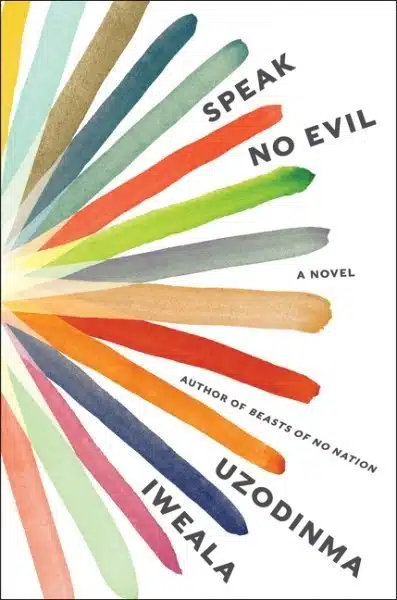
Speak No Evil is not a novel about violence, but about the systems that make violence possible.
At first glance, it may seem like a story about sexual identity, race, parenting, or faith. At its core, however, it is a very different narrative: a book that exposes how systems that function properly, morally, and efficiently can destroy the individual within them.
The novel is structured into two parts, each separate yet interconnected. The transition between them is brutally violent, almost as violent as the story itself.
The first part is narrated by Niru, a Black teenage boy, the son of a successful Nigerian immigrant family in the United States. His home demands discipline, religion, education, and appearance—all the markers of WASP respectability, those that grant full access to the American seal of success.
Niru is an excellent student, an obedient son, a “good” boy. A gifted athlete in a privileged private school. And he is also a closeted gay teenager. The moment this knowledge is spoken aloud, it triggers a chain of events from which there is no return.
Nigeria is not merely a place of origin or a family memory. It is constructed as the “real home,” a moral reference point, a source of authority, threat, and the promise of “correction.”
It is a destination to which a child can be sent to be put back on track. Immigration, which was meant to be a story of opportunity and freedom, reveals itself as a double bind: America demands a specific performance of respectability to permit existence, while the home demands total obedience to preserve honor. Niru is crushed between these worlds, neither of which recognizes him as an autonomous subject.
The home and the community become systems of surveillance, discipline, and enforcement. The family, the church, and the community all operate from good intentions, and that is precisely the problem. The father believes he is saving his son. The mother believes she is protecting him. The priest is convinced he is correcting him. None of them is portrayed as a monster, and that is what makes it disturbing. Violence is not aberrant here; it is institutional. Suffocation is wrapped in love, coercion is justified as responsibility, and silence is explained as care. This is how systems operate when they are convinced of their own righteousness.
Yet the novel makes a deeper, more unsettling move that many readings avoid. It is not Niru’s sexual identity that drives the tragedy, but the act of speaking it. The moment he articulates what he has always known about himself is not a psychological confession, but a dangerous act of creation. As long as his truth remained internal, it existed in an epistemological space of knowledge, thought, and possibility. Once spoken, it shifts into an ontological space: it becomes a fact, a status, something that can be acted upon.
This is the central tragedy of the book. The moment Niru activates the systems. Identity no longer resides solely in consciousness; it enters the public realm. From that point on, his truth is no longer his own. Niru’s world collapses not because he is gay, but because he spoke. Here, speech does not liberate; it closes off possibilities. It turns the flexible into the fixed, the deniable into evidence, the internal into the external. There is no return from this point.
The cellphone enters the story not as a symbol or loose metaphor, but as a genuinely dangerous object. Niru states plainly that the device has become a liability. Not because of its content, but because of its physical nature: it stores traces, preserves memory, allows retrieval, interpretation, and accusation. His identity is not dangerous because it is “forbidden,” but because it is documented. This is a world that does not punish deviation, but the possibility of proof.
At the heart of the novel lies the body. A body that must remain predictable, controlled, disciplined. Early on, an almost incidental warning appears: a relative tells Niru that he must never take his hands off the steering wheel when stopped by police, not because of guilt, but for survival. Hands on the wheel are not a gesture of obedience, but a condition of existence. This red line is drawn from the very first pages, and only in retrospect does its clarity become devastating.
The first part of the novel offers rare moments of movement—Niru dreams of leaving, of escape, of life. There is a brief sense of release, even elevation. Not redemption, but possibility. And then the book shatters that feeling with precise cruelty.
The second part is narrated by Meredith, a white, privileged girl raised in a neglectful household. Not permissive, not liberal, not “free,” but neglectful. Emotionally absent parents, weak boundaries, responsibilities placed on a child long before she is equipped to carry them. The shift to her voice is not an expansion of the story, but its hermetic closure. This is the moment the novel stops allowing movement and forces the reader to confront the outcome.
Meredith is not evil. She is in love with Niru. She longs to be part of his life and is drawn to his family, to the intense parental presence, to the sense of belonging and structure she never had. She idealizes the very home he is trying to escape from and fails to see that this embrace is crushing, too. What appears to her as protection and “real family” is, for Niru, a suffocating and violent mechanism.
The gap between them is not only racial or class-based, but pedagogical and emotional. He grows up under constant supervision; she grows up under neglect framed as freedom. She learns that mistakes are part of growth; he discovers that a single mistake can cost everything. Once again, there are no clear villains. There are two forms of failed parenting, each operating under good intentions, whose convergence creates a lethal space in which only one of them must pay the price.
The pivotal event in the novel is not an act of rebellion or intentional violence. It is a moment of human reflex in a space that allows no margin for error.
Six years later, the possibility of repair is suggested. A conversation. A home. A desire to “say everything.” But the book has already closed that door. Late words are not redemption; they are merely a formal record of failure.
Speak No Evil offers no escape and asks for no forgiveness. It insists on showing how violence does not require visible evil. It is enough that everyone performs their role correctly, fully convinced they are acting rightly. In this book, as in the reality it depicts, there is no comforting ending. Only a clear-eyed understanding of how this works.
לגלות עוד מהאתר Sivi's Books
Subscribe to get the latest posts sent to your email.