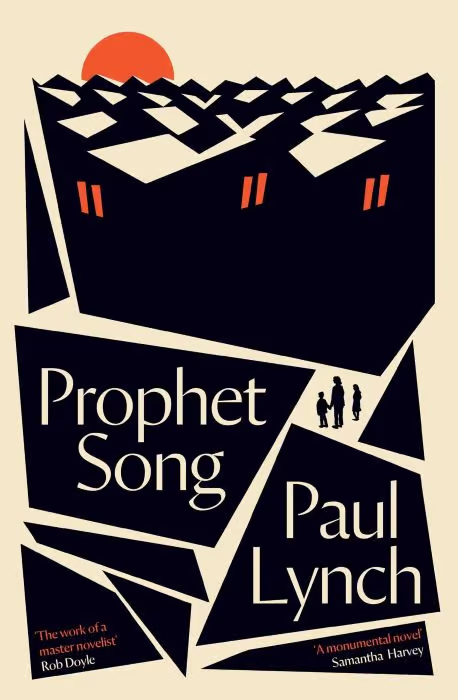
קראתי את Prophet Song של פול לינץ' ולא הבנתי: למה בעצם "שירת הנביא"?
אין בעלילה נביא, אין חזון, ואף אחד לא מקבל התגלות. יש אמנם מי שמזהירה. אָנה, אחותה של אייליש, מתקשרת מקנדה ומפצירה בה לעזוב כל עוד אפשר. "ההיסטוריה", היא אומרת לה, "היא תיעוד שקט של אנשים שלא ידעו מתי לעזוב." אייליש נשארת. היא שומעת היטב מה אחותה אומרת, ופשוט לא מאמינה שזה נוגע אליה. לשמוע נבואה זה דבר אחד. להאמין שהיא עלייך זה דבר אחר לגמרי.
ואז חשבתי שאולי אני מחפשת נבואה במקום הלא נכון.
אם יש בספר הזה נבואה, היא קרובה פחות לישעיהו ויותר לאיוב, שחז"ל מנו אותו בין שבעת הנביאים שהתנבאו לאומות העולם. הנבואה שלו היא הידיעה העתיקה שהעולם יכול להתפרק בלי לספק לאדם הסבר ראוי.
וזה קורה בדבלין. בדמוקרטיה מערבית, בשכונה של מעמד בינוני משכיל, בבית שבו מחכים שהילד הגדול יחזור בזמן. לארי, בעלה של אייליש ופעיל באיגוד המורים, נעצר בערב רגיל אחד ולא חוזר. אייליש, מיקרוביולוגית ואם לארבעה, רוצה את השגרה ואת הבית, ובעיקר רוצה שהעולם יחזור להיות מובן. הקורא מבין די מהר שהמשאלה הצנועה הזאת לא תתגשם.
מה שצריך לדעת
אירלנד גולשת למשטר סמכותני, ולארי, בעלה של אייליש, נעצר ונעלם. מכאן היא מנסה לשמור על ארבעת ילדיה ועל מעט השגרה שנותרה בזמן שהמדינה סביבה מתפרקת.
לקוראים שאוהבים דיסטופיה פוליטית, ספרות על משפחה תחת לחץ, קריסת מוסדות, פליטות וכתיבה דחוסה שמבקשת מהקורא להרגיש את אובדן היציבות מבפנים.
המבנה הלשוני יוצר תחושת מחנק מכוונת, וההידרדרות מחיים רגילים לקטסטרופה נבנית בהדרגה ומטרידה מאוד. החיבורים המקראיים והעיסוק באיוב, בקינה ובאובדן הופכים דיסטופיה פוליטית לקינה.
הטקסט הרצוף, כמעט בלי פסקאות ובלי סימון רגיל של דיאלוגים, מעייף בתחילת הקריאה. בהמשך הבנתי שהקושי הזה הוא חלק מרכזי מן האפקט שהספר מבקש ליצור.
לינץ' כותב בלי פסקאות מובנות ובלי מרכאות לדיאלוג. עמוד אחרי עמוד של טקסט רצוף, בלי מקום לעצור. בהתחלה זה מעייף, ואחר כך מבינים שזה כל העניין: הספר סוגר על הקורא כמו שהמדינה סוגרת על אייליש. כך הוא מפרק את הסדר החברתי, לאט ובשיטתיות. בהתחלה זה נראה כמו כאוס זמני, שאחריו יבוא סדר אחר. אחר כך מנסים להבין את הסדר החדש, גם כשכבר קשה למצוא בו היגיון, ואולי להסתגל אליו. בסוף כבר לא ברור אם נשאר עולם שאפשר לנהל איתו משא ומתן.
כמו בספר איוב, האדם מאבד שלב אחר שלב את מה שנשענה עליו תחושת הוודאות שלו, ובשני הספרים האובדן הקשה מכולם הוא אובדן הילדים. מפתה לקרוא באייליש איוב מודרני ובספר אלגוריה דתית. אבל גם על איוב נחלקו חכמים, ויש מי שאמר ש"לא היה ולא נברא, אלא משל היה". לינץ' כותב על אישה שהייתה ונבראה, ושיכולה להיות כל אחת.
בחלק האחרון של הספר מגיעה עקדה הפוכה. מישהו דורש מאייליש את בתה, ובמקום אלוהים עומד אדם. אברהם השכים בבוקר. אייליש מסרבת. היא גוזרת לבתה את כל השיער.
הבנתי את מה שלינץ' עושה. ישעיהו בלי חזון, איוב בלי קול מן הסערה, עקדה בלי מלאך. אלה טקסטים מקראיים שהוא הוציא מהם את אלוהים. בני האדם נשארים לבד, זה מול זה.
המשטר עצמו כמעט לא מעניין את לינץ'. מעניין אותו הרגע שבו אדם מגלה שההיסטוריה קורית גם לו. אנחנו קוראים על מלחמות, פליטים, משטרים שקורסים, אנשים שנעלמים ומשפחות שנעקרות. כל עוד זה רחוק, אפשר לתייק את זה תחת חדשות חוץ, עוד מקום בעולם שבו אנשים איבדו את חייהם. ואז הקטסטרופה נעשית פרטית.
באמצע עמוד, בלי להתעכב, אייליש עצמה נותנת את התשובה שחיפשתי כל הקריאה: שירת הנביא שרה על קץ העולם כאירוע מקומי, כזה שמגיע שוב ושוב, כל פעם לארץ אחרת, עד שהוא מגיע לשלך. ואז חזרתי לדף הפתיחה. לינץ' שם אותה שם מההתחלה, בקהלת: מה שהיה הוא שיהיה. קראתי אותה ולא שמעתי אותה, בדיוק כמו אייליש. גם אנחנו יודעים איך נראות אזהרות ששמעו ולא האמינו להן. הנביא אינו מנבא משהו שעוד לא קרה. הוא שר על מה שכבר קרה שוב ושוב, ואנחנו עדיין מופתעים בכל פעם מחדש. לכן זו שירה, קינה על היכולת האנושית להאמין שהאסון תמיד של מישהו אחר, עד שהוא נכנס בדלת.
זה ספר דחוס ועוכר שלווה, ויש בו עמודים שעוצרים את הנשימה. הוא מכה בפנים, ומעורר חלחלה דווקא מפני שאין בו שום דבר זר או אקזוטי. המרחק בין חיים מסודרים לבין חיים של פליט מתגלה כקצר בהרבה מכפי שאנחנו אוהבים לחשוב.
בעמודים האחרונים סוגרים אותם במחסן, ואחר כך מביאים אותם אל הים, אל סירות קטנות שאין לדעת לאן יגיעו. אין כאן נחמה נבואית. אין הבטחה לתיקון. אין תכנית אלוהית שנחשפת בסוף. אין אפילו תשובה משכנעת לשאלה למה.
יש רק אדם בתוך עולם שאיבד את חוקיו, וכל מה שנראה לו קבוע מתברר כתלוי בחסדי המציאות.
ולפעמים גם היא מפסיקה לענות.
Prophet Song / Paul Lynch
I read Paul Lynch’s Prophet Song and could not understand one thing: why, exactly, “Prophet Song”?
No prophet appears in the plot, no vision, and no one receives a revelation. There is someone who warns Eilish. Her sister Áine calls from Canada and urges her to leave while she still can. History, she tells her, is the quiet record of people who failed to recognize when it was time to go. Eilish stays. She hears exactly what her sister is saying; she simply does not believe it applies to her. Hearing a prophecy is one thing. Believing that it is about you is something else entirely.
Then I began to think that perhaps I had been looking for prophecy in the wrong place.
If this book contains prophecy, it is closer to Job than to Isaiah. The sages counted Job among the seven prophets whose prophecies were directed primarily toward the nations of the world. His prophecy is the ancient knowledge that a human world can collapse without ever providing a satisfactory explanation.
And here it happens in Dublin. In a Western democracy, in an educated middle-class neighborhood, in a house where someone is waiting for the eldest child to come home on time. Larry, Eilish’s husband and a teachers’ union activist, is arrested on an ordinary evening and never returns. Eilish, a microbiologist and mother of four, wants her routine and her home back. More than anything, she wants the world to become comprehensible again. The reader quickly understands that this modest wish will not be granted.
Lynch writes without conventional paragraphs and without quotation marks around dialogue. Page after page of continuous text, with almost nowhere to stop. At first it is exhausting, and then it becomes clear that this is precisely the point: the book closes around the reader in the same way the state closes around Eilish. Social order is dismantled slowly and methodically. At first it looks like temporary chaos after which another form of order will emerge. Then we try to understand the new rules, even when they no longer seem logical, perhaps even to adapt to them. By the end, it is no longer clear whether there is still a world with which anyone can negotiate.
As in the Book of Job, the protagonist loses, step by step, the things on which her sense of certainty rested, and in both books the most terrible loss is children. It is tempting to read Eilish as a modern Job and the novel as a religious allegory. Yet the sages themselves disagreed about Job, and one tradition even describes him as a figure who never existed at all, only a parable. Lynch writes about a woman who feels entirely real, and who could be any one of us.
In the final part of the book, a reversed Binding of Isaac unfolds. Someone demands Eilish’s daughter from her, and in God’s place stands a man. Abraham rose early in the morning. Eilish refuses. She cuts off all her daughter’s hair.
Then I understood what Lynch was doing. Isaiah without a vision, Job without a voice from the whirlwind, the Binding without an angel. Biblical structures with God removed from them. Human beings are left alone, facing one another.
The regime itself is almost secondary to Lynch. What interests him is the moment when a person discovers that history is happening to them as well. We read about wars, refugees, collapsing regimes, disappeared people and uprooted families. As long as it is far away, it can be filed under foreign news, another place in the world where other people have lost their lives. Then catastrophe becomes private.
In the middle of a page, almost without emphasis, Eilish herself gives the answer I had been looking for throughout the novel: the prophet’s song is about the end of the world as a local event, something that happens again and again, each time to another country, until eventually it happens to yours. Then I went back to the opening page. Lynch had placed the answer there from the beginning, in Ecclesiastes: what has happened before will happen again. I had read it without hearing it, just as Eilish hears the warnings without believing them. We too know what ignored warnings look like. The prophet is not predicting something that has never happened. He sings about what has happened repeatedly, while we keep being surprised every time. That is why it is a song: a lament for the human ability to believe that catastrophe always belongs to someone else, until it walks through the door.
This is a dense and deeply unsettling book, with pages that stop your breath. It hits hard precisely because nothing in it feels foreign or exotic. The distance between an orderly life and the life of a refugee turns out to be much shorter than we like to imagine.
In the final pages, they are shut inside a warehouse and later brought to the sea, toward small boats whose destination is uncertain. There is no prophetic consolation here. No promise of restoration. No divine plan finally revealed. Not even a convincing answer to the question of why.
Only a human being remains in a world that has lost its rules, discovering that everything once assumed permanent depended on reality's mercy.
And sometimes even reality stops answering.
לגלות עוד מהאתר Sivi's Books
Subscribe to get the latest posts sent to your email.