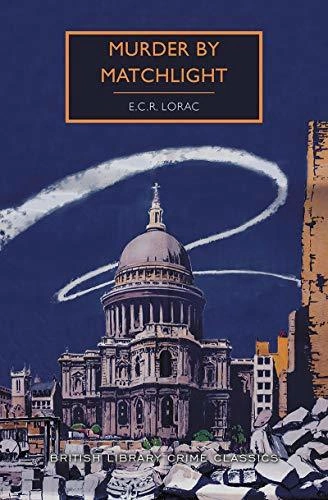
Murder by Matchlight הוא ספר שמבטיח המון על הנייר: רצח בחסות החשכה, מלחמה, זהויות בדויות וסצנה קולנועית מעולה של גשר בפארק. בפועל הוא מרגיש פחות כמו תעלומה חדה ויותר כמו מכונה עלילתית שעובדת קשה מדי כדי להצדיק את עצמה. יש לו אווירה מצוינת, פתיחה חזקה, ולונדון של ימי הבלק־אאוט אינה סתם רקע אלא תנאי הכרחי לכך שהרצח בכלל יקרה. האכזבה מתחילה כשהספר נדרש לעשות את העבודה הבסיסית של ספר בלשי: להסביר, לחדד, ולספק מניע ושיטה שאפשר באמת לעמוד מאחוריהם. שם הוא מתחיל לגמגם.
מה שצריך לדעת
תעלומת רצח בלונדון של ימי הבלק־אאוט, שנפתחת בהבזק גפרור על גשר בפארק ומובילה את הבלש מקדונלד אל עולם של זהויות בדויות, פחדנות וסודות מלחמה.
לקוראים שאוהבים בלש בריטי קלאסי, אווירה מלחמתית, לונדון חשוכה וערפילית, חקירה משטרתית רגועה וסיפורי פשע שבהם התקופה היא חלק בלתי נפרד מהתעלומה.
האווירה. לוראק משתמשת בבלק־אאוט, בפחד, בהפצצות ובכאוס של המלחמה לא כתפאורה בלבד, אלא כתנאי שמאפשר את הפשע ואת הזהויות המזויפות שסביבו.
הפתרון מגיע מאוחר מדי ובצורה דחוסה מדי. במקום פאזל שמתחבר בהדרגה, מתקבלת הצפה של הסברים, תזמונים, מסכות וסיפורי עבר שמחלישים את תחושת הפענוח.
הסיפור נפתח בלילה לונדוני טיפוסי של ימי הבליץ, חושך מוחלט ברחובות בגלל הבלק־אאוט, ערפל כבד שמכסה את העיר. בתוך העלטה הזאת שני אנשים שעוברים במקרה בריג'נטס פארק קולטים פתאום הבזק אור קצרצר, הצתה של גפרור על גשר מעל האגם. כשהם ניגשים לבדוק מה קרה, הם מגלים גופה של גבר שראשו נמחץ, במה שנראה כמו רצח מתוכנן היטב שנבלע מיד בחשכה. מכאן הבלש מקדונלד נכנס לתמונה ומנסה להבין איך מישהו הצליח לבצע רצח כל כך מדויק בתנאים שבהם אי אפשר לראות אפילו את האצבעות של עצמך. משם הוא מתחיל לקלף את השקרים, הזהויות הבדויות והפחדים שהקיפו את הקורבן.
הכוח הגדול של הספר הוא העולם שלו. לוראק כותבת מתוך המלחמה, לא עליה במובן ההרואי והקיטשי. ההפצצות, כרטיסי הזהות, הבלק־אאוט, הפחד, האקראיות של המוות, כל אלה אינם תפאורה אלא מנגנון. גם הפשע עצמו וגם המניע שלו נשענים על המצב הזה. מרטין אדוארדס כותב במבוא שהמלחמה כאן היא יסוד מהותי בתעלומה, לא סתם צבע תקופתי, ובנקודה הזאת הוא צודק.
וזו בדיוק הסיבה שהאכזבה גדולה יותר, כי החומרים עצמם באמת טובים. הקורבן, ג'ון וורד, מתברר בכלל כטים או'פארל, טיפוס שחי תחת זהות גנובה אחרי שניצל את הכאוס של ההפצצות. זו התחלה מצוינת: קורבן שבנוי כולו על שקר. גם הרוצח שלו, ג'יימס קרינגפורד, אינו דמות מרשימה אלא פחדן עלוב שזייף את גילו כדי להתחמק מגיוס וחי בחרדה מתמדת שייתפס. או'פארל, שהכיר אותו מן העבר, היה מסוגל לחשוף את התרמית הזאת, ולכן הפך מאדם דוחה לסכנה ממשית.
הלב של הספר, וגם הפספוס הגדול שלו, הוא השימוש בפחד. לא פחד גדול ונשגב, אלא פחד קטן, עלוב, יומיומי, של אדם שלא מוכן לשלם את המחיר של העולם שבו הוא חי. לוראק אפילו מנסחת היטב את המתח המוסרי הזה כשמקדונלד מסרב לקבל את הטענה שמותו של נוכל אחד הוא עניין שולי בעולם שמתפרק ממילא. מבחינתו, חברה שמשלימה עם נקמה פרטית פותחת דלת לריקבון מוסרי עמוק יותר. זאת עמדה חזקה, ובזמן מלחמה גם עמדה לא מובנת מאליה.
לצערי, לוראק שומרת את רוב ההסברים לפרק האחרון, ואז פשוט שופכת אותם על הקורא בדלי: זהויות, מסכות, אופניים, חדרים הפוכים, מסעדה, מקלט, עבר אירי, סחיטה, שיחות טלפון, תזמונים, דיירים, ועוד זיכרון שמגיע משום מקום מלפני עשרים וחמש שנה. במקום תחושה של פאזל שמתחבר, מתקבלת תחושה של שיעור השלמה מזורז. לא פתרון, אלא תחקיר מאוחר מדי.
גם דמות הקורבן סובלת משטחיות. מצד אחד ברור שאו'פארל הוא נוכל וסחטן שחי על סודות של אחרים. מצד שני, התיאור שלו מצטבר לדיוקן פונקציונלי מדי. הוא לא ממש אדם אלא פקעת של סיבות לרצות במותו. כל פרט עליו נועד לשכנע את הקורא שמותר לחשוד בכולם. זה טריק מוכר, וכאן הוא שקוף מדי.
דווקא הדמות של מקדונלד עובדת היטב. הוא לא בלש נוצץ שחושב שהוא חכם יותר מהספר של עצמו, אלא איש מקצוע. יש בזה חן, ויש בזה עוגן. בתוך ספר עם כל כך הרבה בלגן, טוב שיש במרכז דמות שלא זקוקה למניירות כדי להישאר יציבה.
בשורה התחתונה, Murder by Matchlight מעניין יותר ממה שהוא באמת מצליח להיות. הוא מזכיר היטב למה לונדון בזמן מלחמה היא קרקע מושלמת לסיפורי פשע, והוא בונה מניע שנשען יפה על חרדה אזרחית, זיוף זהות ופחדנות. אבל הוא לא מצליח לתרגם את כל זה לתעלומה בהירה ומספקת. הרעיון חזק מן הביצוע. הגפרור שנדלק על הגשר מבטיח הרבה יותר ממה שהספר מסוגל לקיים אחר כך.
British Library Crime Classic #
Murder by Matchlight / E.C.R. Lorac
Murder by Matchlight promises a great deal on paper: a murder under cover of darkness, war, false identities, and a superbly cinematic scene on a bridge in a park. In practice, it feels less like a sharp mystery and more like a plot machine working too hard to justify itself. It has excellent atmosphere, a strong opening, and wartime London under blackout is not merely a background here but a necessary condition for the murder to happen at all. The disappointment begins when the book is required to do the basic work of detective fiction: explain, sharpen, and provide a motive and method that can truly stand. That is where it begins to stammer.
The story opens on a typical London night during the Blitz: absolute darkness in the streets because of the blackout, and a heavy fog covering the city. In this darkness, two people passing by chance through Regent’s Park suddenly notice a brief flash of light, the striking of a match on a bridge over the lake. When they approach to see what has happened, they discover the body of a man whose head has been crushed, in what appears to be a carefully planned murder immediately swallowed by the dark. From there, Inspector Macdonald enters the scene and tries to understand how someone managed to commit such a precise murder in conditions where one cannot even see one’s own fingers. He then begins to peel away the lies, false identities and fears surrounding the victim.
The book's great strength is its world. Lorac writes from within the war, not about it in some heroic or sentimental sense. The bombings, identity cards, blackout, fear and randomness of death are not scenery, but mechanism. Both the crime itself and its motive depend on this situation. Martin Edwards writes in the introduction that the war here is an essential element of the mystery, not merely period color, and he is right.
That is exactly why the disappointment is greater, because the material itself is really good. The victim, John Ward, turns out to be Tim O’Farrell, a man living under a stolen identity after taking advantage of the chaos of the bombings. This is an excellent beginning: a victim built entirely on a lie. His killer, James Canningford, is not an impressive figure either, but a pathetic coward who falsified his age to avoid military service and lives in constant fear of being exposed. O’Farrell, who knew him from the past, was able to reveal this fraud and, therefore, became not merely a repellent man but a real danger.
The heart of the book, and also its great missed opportunity, is the use of fear. Not grand, noble fear, but small, shabby, everyday fear: the fear of a man unwilling to pay the price demanded by the world in which he lives. Lorac even formulates this moral tension well when Macdonald refuses to accept the argument that the death of one swindler is a minor matter in a world already falling apart. For him, a society that accepts private revenge opens the door to deeper moral decay. That is a strong position, and in wartime, not an obvious one.
Unfortunately, Lorac saves most of the explanations for the final chapter, and then simply pours them over the reader by the bucketful: identities, disguises, bicycles, rearranged rooms, a restaurant, a shelter, an Irish past, blackmail, phone calls, timings, lodgers, and a memory that appears out of nowhere from twenty-five years earlier. Instead of a puzzle coming together, we get the feeling of a rushed remedial lesson. Not a solution, but an investigation delivered too late.
The victim also suffers from flatness. On the one hand, O’Farrell is clearly a swindler and blackmailer who lives off other people’s secrets. On the other hand, the description of him accumulates into an overly functional portrait. He is not really a person, but a bundle of reasons for wanting him dead. It is a familiar trick, and here it is too transparent.
Macdonald, by contrast, works well. He is not a dazzling detective who thinks he is cleverer than the book itself, but a professional. There is charm in that, and stability. In a book with so much clutter, it is good to have at the center a figure who does not need mannerisms in order to remain steady.
In the final account, Murder by Matchlight is more interesting than it fully manages to be. It shows very well why wartime London is perfect ground for crime fiction, and it builds a motive that rests nicely on civilian anxiety, false identity and cowardice. But it does not manage to translate all this into a clear and satisfying mystery. The idea is stronger than the execution. The match struck on the bridge promises much more than the book can later deliver.
לגלות עוד מהאתר Sivi's Books
Subscribe to get the latest posts sent to your email.