
Please scroll down for an English review.
Broken Country לא מנסה לרפא את העבר, או ללמד על אהבה. הוא מתבונן בעולם שמלמד נשים לרצות לפני שהוא מלמד אותן לבחור ומציע לראות בזה לא רוך, אלא כשל.
הסיפור מתרחש באנגליה הכפרית בסוף שנות החמישים והשישים, בתקופה שבה נשים חיו בין שתי מערכות מוסריות: אחת ששמרה על נורמות חברתיות קשיחות, והשנייה, של הפנטזיה הרומנטית־בורגנית, שהציעה פיצוי רגשי על חיים שאין בהם חופש אמיתי.
בת’ נלכדת בקשר חסר סיכוי עם גבריאל, בן השכנים העשירים, קשר רווי אתגרים שמקורם בפערים חברתיים, ובנוסף גם התנגדות מצד אמו. כשזה מתפוגג, היא בוחרת להמשיך בחייה ונישאת לפרנק, גבר הגון שאוהב אותה, ומנסה להימנע מהכאב שנותר מאחור.
אבל בת', נשאבת מחדש לעבר כאשר טרגדיה מכה במשפחה, וגבריאל שב עם בנו ליאו. כל מה שהיא הכירה מתערער סביבה.
בת' איננה גיבורה טראגית; היא תוצר של תקופה. היא מנסה למצוא קלוז'ר לעבר שנשאר לא סגור, ולמצוא את תחושת הסיום שאינה מגיעה.
גבריאל, שחוזר עם בנו, הוא לא רק אדם מן העבר; הוא גרסה למה שיכול היה להיות, החמצה צורבת. המפגש ביניהם, בין אישה שמנסה לאסוף את שברי חייה לבין גבר שמזכיר לה את מה שאיבדה, יוצר מתח שמתרקם לאט, כמו סדק רגשי שנשאר פתוח.
הספר מציג לנו את "אהבה ראשונה", "גורל", "הלב זוכר", אך האמת היא פשוטה יותר: בת' לא נאבקת למען אהבה או תשוקה; היא מבלבלת בין פנטזיה, זיכרון ומציאות קשה, ונמלטת מאחריות אל תוך עולם של דימויים. האסקפיזם שלה עטוף בשפה שמבקשת להעצים את הבחירה העגומה שלה, בזמן שהיא מתרחקת מהאמת.
החיים לא הולכים אחורה. הם לא תמצית של זיכרונות רומנטיים. הם נאמנות. הם מוסריות. הם צדק ודבקות באמת.
בת' לא נתלית באהבה אבודה; היא אוחזת בדימוי של עצמה כפי שהייתה רוצה להיות. העבר שלה אינו געגוע, אלא בריחה. לא למה שהיה, אלא למה שלא היה מעולם.
וגבריאל?
הוא לא "האהוב האבוד". הוא ייצוג של פריבילגיה זכרית שלא נדרשת לשלם מחיר על חולשה. בן למשפחה ששייכת לאליטה חברתית, שיכול להרוס חיים של נערה ולחזור עשור אחרי עטוף בהילה של "מה אם".
זו נקודת הכשל של הרומן, וגם נקודת החשיפה שלו:
הוא מתעקש לראות בפיתוי הרומנטי "גורל", במקום מה שהוא באמת: פחד מלהתייצב מול מה שיש.
הספר מנסה להיראות רגיש, אך בפועל הוא משמר תפיסה רומנטית שגויה: החברה מאפשרת לנשים לטעות בשם "הלב", רק כדי לראות אותן משלמות את המחיר: במשפחה, בילדים, באשמה, ובחיים עצמם.
זה לא סיפור אהבה. זו אזהרה שנחרטת:
תבחרי בחיים כפי שהם. יש מחיר לפנטזיה של חיים שהיו יכולים להיות.
קראתי בסקירות רבות על כך שהספר גרם לקוראים לבכות. אבל מה שעובר בין השורות אינו טרגדיה, אלא אי־בגרות רגשית, עטופה בשפה יפה.
הכאב שבספר לא נובע מהאירועים עצמם, למרות שהם מצערים, אלא מהמהות שהוא חושף: לא כל געגוע הוא אמת. לא כל כאב הוא עומק. לא כל תשוקה היא חירות. לפעמים הכאב הוא עדות לעיוורון.
Broken Country מספר על ארץ שנשברה, אבל מה שנשבר כאן באמת הוא מיתוס הרומנטיקה כדרך לגאולה. כמו כל מיתוס, הוא מתפורר כשפני המציאות דורשים תיקון.
זה לא ספר על הזדמנות שנייה, אלא על האמת הפשוטה והכואבת:
מי שמסרב לגדול חי בתוך חלום ישן, שמפסיק להתקיים ברגע שבו פוקחים את העיניים.
החיים לא סוכריות, וגם לא טלנובלה. הם שדה שדורש חריש, לא חלום שנשחק תחת רגליים של נוסטלגיה.
Broken Country / Clare Leslie Hall
Kindle Edition, 2025, 319 Pp
דירוג SIVI –
איכות אודיו –
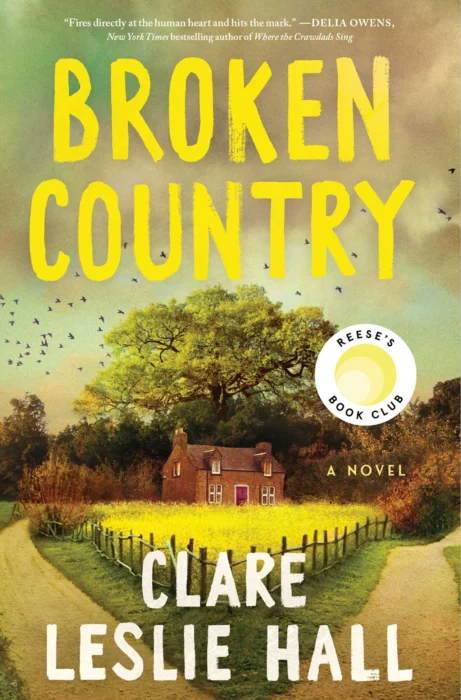
Broken Country doesn't try to heal the past or teach us about love. Instead, it looks at a world that teaches women to desire before it teaches them to choose, and asks us to see this not as softness, but as failure.
The story takes place in rural England in the late 1950s and early 1960s, during a time when women lived between two moral systems: one that upheld strict social norms, and the other, the romantic-bourgeois fantasy that offered emotional compensation for lives without true freedom.
Beth is trapped in a hopeless relationship with Gabriel, the son of wealthy neighbors. The relationship is filled with challenges stemming from social gaps and his mother's resistance. When this fades away, Beth chooses to move on with her life and marries Frank, a decent man who loves her, trying to avoid the pain that remains behind.
But Beth is drawn back into the past when tragedy strikes the family, and Gabriel returns with his son, Leo. Everything she knew unravels around her.
Beth is not a tragic heroine; she is a product of her time. She tries to find closure for an unfinished past, the feeling of ending that never arrives.
Gabriel, who returns with his son, is not just a man from the past; he is a version of what could have been, a bitter loss. Their reunion, between a woman trying to collect the fragments of her life and a man reminding her of what she lost, creates a tension that slowly builds like an emotional crack that remains open.
The book presents us with "first love," "destiny," "the heart remembers," but the truth is more straightforward: Beth is not fighting for love or desire; she confuses fantasy, memory, and a harsh reality, escaping into a world of images. Her escapism is wrapped in a language that seeks to amplify her sorrowful choice while distancing her from the truth.
Life doesn't go backward. It is not the essence of romantic memories. It is loyalty, morality, justice, and commitment to the truth.
Beth doesn't cling to a lost love; she holds on to an image of herself as she wishes to be. Her past is not nostalgia; it's an escape, not from what was, but from what never was.
And Gabriel?
He is not the "lost love." He is a representation of male privilege that doesn't need to pay the price for weakness. A son of a family that inhabits the social elite, able to ruin a girl's life and return a decade later, wrapped in the halo of "what if."
This is the fault of the novel, and its exposure:
He insists on seeing romantic temptation as "fate," instead of what it really is: fear of confronting what is.
The book tries to appear sensitive, but in fact, it preserves a mistaken romantic view: society allows women to make mistakes in the name of "the heart," only to see them pay the price in family, children, guilt, and life itself.
This is not a love story. It is a warning that is etched:
Choose life as it is. There is a price for the fantasy of a life that could have been.
I have read many reviews saying that this book made readers cry. But what passes between the lines is not tragedy, but emotional immaturity, wrapped in beautiful language.
The pain in the book doesn't stem from the events themselves — though they are sad — but from the essence they reveal: not every longing is truth. Not every pain is deep. Not every desire is freedom. Sometimes pain is a testimony to blindness.
Broken Country tells the story of a broken land, but what is truly broken here is the myth of romance as a way to salvation. Like every myth, it crumbles when the face of reality demands correction.
This is not a book about a second chance, but about the simple and painful truth:
Those who refuse to grow live in an old dream that stops existing the moment you open your eyes.
לגלות עוד מהאתר Sivi's Books
Subscribe to get the latest posts sent to your email.