
המאמר השביעי בפרויקט Sivi קוראת צ’וסר
Please scroll down for an English review.
אחרי אנשי החרב ואנשי הדת, צ’וסר מציב דמות חדשה, מתוחכמת וקולנית, שהסכנה שבה אינה באלימות אלא בשכנוע: הסוחר. לא קדוש, לא לוחם, אלא מי שכבר הבין שהכוח האמיתי איננו באל ולא בדם, אלא בזרימת כסף, אשראי ואמון.
💰המיתוג: העושר כהצגה
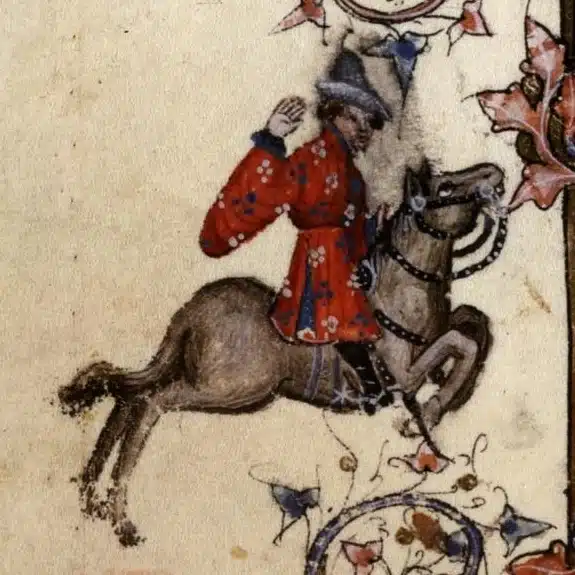
“סוחר היה שם, ממוזלג זקן, אוכף נישא לו, בגד מנומר, מגבעת פלמית של פרוות ביבר, ואבזמי הדר למגפיו.”
הוא לבוש כאציל. לא כמעט, לא בערך, אלא בדיוק במדים של סמכות. הבד יקר, הפרווה מיובאת, האבזמים נוצצים. זה איננו מראה של עבודה, אלא של הצלחה. אצל צ'וסר, העושר קודם לאדם, והמראה קודם לאמת.
והוא איננו שותק.
“הודיע ברמה את דעותיו, ויעשה פרסום לממונו.”
זה סוחר שמדבר בקול, ויודע שהדיבור עצמו הוא נכס. הוא משווק את עצמו, את תפיסותיו, את הביטחון שלו. הקול הוא חלק מהעסקה. כשהוא “מטיף להגנה על הספינות בין מידלבורג ואורוול”, צ’וסר אינו מדבר על פטריוטיות, אלא על אינטרס. הספינות הן העורקים של ההון. מי שמגן עליהן, מגן על זרימת הכסף שלו. זה איננו נאום מוסרי, אלא לוביזם טהור.
הבנקאי במסווה של מוכר
הוא סוחר במטבעות, קונה ומוכר כסף צרפתי, מבין היטב את ערך ההמרה ואת פערי השער. חריף, פיקח, בעל שכל טוב. איש שמכיר את הכללים, ויודע גם מתי לעקוף אותם.
ואז צ’וסר מטיל את הפצצה השקטה שלו:
“איש לא ידע שהוא כבד בחוב, כי העמיד פרצוף אנין, בעוד הוא מספסר אף מסרסר מאוד.”
זהו לב הדמות. העושר איננו קיים; הוא מוצג. היציבות איננה אמת כלכלית, אלא תיאטרון משכנע. הוא חי לא ממה שיש לו, אלא ממה שאחרים מאמינים שיש לו. זהו קיום ממונף.
הוא מספסר, רודף רווחים חדים ומהירים. הוא מסרסר, מתווך בין צדדים וצרכים, כשהכול, כולל האמון, הופך לסחורה. כל עוד אף אחד לא שואל שאלות קשות, הבועה מחזיקה מעמד.
הפאנץ': האיש ללא שם
המשפט היפה והאכזרי מכולם מגיע בסוף:
“עם זאת, בחור הגון היה, נשבעתי. אך מהו שמו, סלחו לי, לא ידעתי.”
צ’וסר נשבע שהוא הגון, ואז שוכח את שמו. לא מתוך רשלנות, אלא מתוך דיוק ספרותי מושלם. בדת החדשה של הכלכלה אין צורך בשם. יש תפקיד, יש פונקציה, יש מי שמחזיק את האשליה עוד יום אחד.
זה איננו סוחר של ימי הביניים בלבד, אלא דגם מוקדם של עולם שמעדיף אשראי על אמת. זהו המאמין הראשון בכת הכלכלה, אדם שחי בתוך בועה, ומצליח כל עוד איש אינו מבקש לראות מה יש מתחת לאוויר.
📜 הציר שעליו מסתובבת התמונה
אחרי שפגשנו את אנשי הדת שהפכו את האמונה לסחורה (הנזירה, הנזיר והוברט), הסוחר משלים את המהלך: הוא הופך את הסחורה לדת. הוא מזכיר לנו שבעולם של מינוף ואשראי, האמת היא מטרד, והתדמית היא הנכס החשוב מכול.
🧮 The Merchant – Economy as Cult, Credit as Faith
After the men of the sword and the men of the Church, Chaucer introduces a new figure — sophisticated, loud, and dangerous, not through violence but through persuasion: theMerchantt.
Not holy, not heroic, but the man who has already understood that real power lies neither in God nor in blood, but in the flow of money, credit, and trust.
Branding: Wealth as Performance
“There was a Merchant with a forked beard,
Riding proudly, in motley dress,
A Flemish beaver hat upon his head,
And shining buckles on his boots.”
He is dressed like nobility. Not almost — exactly.
The fabric is expensive, the fur is imported, and the buckles are polished.
This is not the appearance of labor; it is the appearance of success.
With Chaucer, wealth precedes the man, and appearance precedes truth.
And he is not silent.
“He spoke his opinions loudly,
And advertised his prosperity.”
This merchant understands that speech itself is an asset.
He markets himself, his worldview, his confidence.
When he “argues for the protection of ships between Middelburg and Orwell,” Chaucer is not describing patriotism — he is describing interest.
Ships are arteries of capital.
To defend them is to defend one’s own cash flow.
This is not a moral speech; it is pure lobbying.
The Banker Disguised as a Seller
He trades in currencies, buys and sells French coins, and understands exchange values and rate gaps.
Sharp, clever, intelligent.
A man who knows the rules — and when to bend them.
Then Chaucer drops his quiet bomb:
“No one knew he was deep in debt,
For he maintained a dignified façade,
While he brokered and even pimped extensively.”
Here lies the core of the character.
The wealth does not exist; it is performed.
Stability is not an economic fact but convincing theater.
He lives not on what he owns, but on what others believe he owns.
This is a leveraged existence.
He brokers — chasing quick, sharp profits.
He pimps — mediating between needs and parties, turning even trust into merchandise.
As long as no one asks difficult questions, the bubble holds.
The Punchline: The Man Without a Name
The most beautiful and cruel line arrives at the end:
“Yet he seemed an honest fellow, I swear.
But what his name was — forgive me — I do not know.”
Chaucer swears he is honest, and then forgets his name.
Not negligence — precision.
In the new religion of economy, names are unnecessary.
There is only a role, a function, someone who sustains the illusion one more day.
This is not merely a medieval merchant.
It is an early prototype of a world that prefers credit over truth.
The first true believer in the cult of economy —
a man living inside a bubble, successful as long as no one looks beneath the air.
📜 The Axis on Which the Image Turns
After meeting clergy who turned faith into merchandise — the Nun, the Monk, and Hubert the Friar — theMerchantt completes the transformation: he turns merchandise into faith.
He reminds us that in a world of leverage and credit, truth is a nuisance, and image is the only real asset.
לגלות עוד מהאתר Sivi's Books
Subscribe to get the latest posts sent to your email.