המאמר השלישי בפרויקט Sivi קוראת צ’וסר
Please scroll down for an English review.
כאן מתחיל הקרב השקט בין אידיאל ישן לאסתטיקה חדשה.
האביר והסקוויר צועדים יחד, אבל מביטים לעולמות שונים.
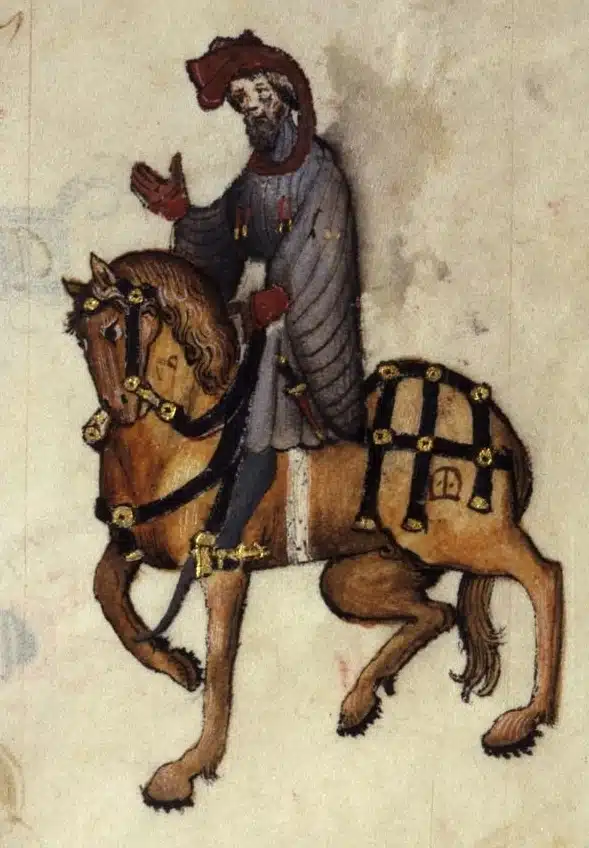
המסע לקנטרברי נפתח מן הפסגה: האביר.
דמות שמגלמת לכאורה את הצורה הטהורה ביותר של כבוד, מוסר וגבורה.
צ’וסר מציג אותו כ“לוחם של כל האמונות”, אדם שנלחם למען הצדק בלי רעש, בלי יהירות, בשריון ישן ומוכתם.
אידיאל צנוע, כמעט קדוש.
אבל צ’וסר, כמו תמיד, כותב בשני קולות.
“ואבירנו זה, אביר מופת,
עבד אף בשרות נסיך בלט
כנגד עוד עכו"ם תורכי אחד.”
האביר נראה כדמות מימי עבר שכבר עבר זמנו: מחורר קרבות, עטוף בשאריות תהילה, כאילו נתלש מעולם שכבר איננו.
הכבוד שלו נוכח, אך הוא שייך לסדר שמתחיל להתפרק.
ואז מגיע הסקוויר.
לא חרב ביד אלא כנור. לא הצטנעות אלא הצטעצעות.
“בחיל הפרשים בפלנדריה,
בארטואה ופיקרדי היה,
שקוד להצטיין בגבורתו,
כדי לזכות בחסד לב גברתו.”
צעיר יפה, מוזיקלי, אוהב חיים, כותב שירים, ישן שלוש שעות בלילה –
לא כי הוא לוחם, אלא כי “האהבה”, אומר צ’וסר, “לא נותנת לו לנוח”:
“ובו רגשי אוהב כה בוערים,
שלא עצם עיניו, כמו זמירים.”
הסקוויר מייצג עולם חדש: כזה שמעדיף סגנון על מוסר, תשוקה על משמעת.
לא נבל, לא שטחי, אלא תוצר של דור שמאמין שכישרון וקסם אישי הם סוג של ייחוס בפני עצמם.
כך, כבר בשתי הדמויות הראשונות בפרולוג, צ’וסר גוזר עלינו את הטרגדיה של העתיד:
עולם שבו האידיאל הישן עוד עומד זקוף, אך אחריו צועד היורש שמבקש משהו אחר לגמרי.
האבירות איננה מתה ביום אחד.
היא דועכת בשקט, בלילה שבו סקוויר כותב שירים במקום לחדד חרב.
🌿
במובן עמוק יותר, האבירות אצל צ’וסר מגלמת סדר מוסרי אסתטי:
עולם שבו היופי, המידות והסדר החברתי נובעים זה מזה.
האביר הישן חי לפי ההנחה שהצורה משקפת מהות,
שהגוף המשמעתי והלב הנאמן מבטאים אמת אחת.
אבל אצל הדור החדש, אצל הסקוויר, הקשר הזה מתפרק.
היופי הופך לעצמאי, האסתטיקה מתנתקת מהמוסר,
והעולם מתחיל להעדיף את המראה על המשמעות.
זו איננה רק התפתחות סגנונית; זו רעידת אדמה תרבותית.
האביר והסקוויר הם לא רק אב ובנו, אלא אלגוריה פוליטית: דור אדוארד השלישי מול דור ריצ’רד השני.
האביר הוותיק שייך לעידן של כיבושים, משמעת ואמונה בכוח האלוהי של הסדר;
הסקוויר הצעיר מגלם את עידן ריצ’רד השני, עולם של יופי, טקסים, צבעים וקסם אסתטי.
וכמו באנגליה עצמה, גם אצל צ’וסר עובר המרכז מן החרב אל המילה, מן הקרב אל ההצגה.
כך, כבר בפרולוג, הוא מתעד את הרגע שבו החברה מגלה
שהחן והכבוד כבר אינם אותו הדבר.
🧭 מה צ’וסר מרמז לנו כאן?
העבר והעתיד הולכים יחד, אך לא באותו כיוון.
מוסר צבאי ויוקרה אישית מתנגשים.
הדור החדש לא מתמרד, הוא פשוט שונה.
וערכים אינם נעלמים, הם מתרוקנים מבפנים, לאט ובטוח.
כמו אנגליה על סף שינוי, כך גם צלייניה:
המסע עוד לא החל, וכבר ברור שההישגים הגדולים של העבר אינם מבטיחים דבר לגבי העתיד.
✨ הציר שעליו מסתובבת התמונה
המסע לקנטרברי הוא הרגע שבו ספרות מביטה בסדר ישן ומבינה:
העולם לא נשבר בבת אחת.
הוא נסדק בשירה, לפני שהוא נופל בדם.
🛡 The Knight and the Squire – Chivalry in Bloom, Chivalry in Decline
The third essay in the project Sivi Reads Chaucer
This is where the quiet battle begins between an old ideal and a new aesthetic.
The Knight and the Squire walk side by side, but they look toward different worlds.
The Canterbury journey opens from the summit: the Knight.
A figure embodying, at first glance, the purest form of honor, virtue, and courage.
Chaucer presents him as a “warrior for all faiths,” a man who fights for justice without pride, without noise, in old, stained armor.
A modest ideal, almost sacred.
But Chaucer, as always, speaks in two voices.
“And this same Knight, a worthy man,
Had followed chivalry as best he can,
In truth and honor, freedom and courtesy.”
The Knight seems like a relic from an age that has already passed: scarred by battles, wrapped in fading glory, a man torn from a world that no longer exists.
His honor remains, but it belongs to an order that is quietly collapsing.
Then comes the Squire.
Not with a sword, but with a lute. Not with modesty, but with display.
“He’d seen some service with the cavalry
In Flanders, Artois, and Picardy,
And had done valiantly in little space
Of time, in hope to win his lady’s grace.”
A young man, handsome, musical, full of life, writing songs, sleeping three hours a night—
not because he’s a soldier, but because “love,” Chaucer says, “keeps him awake.”
“So hot he loved that while night told her tale,
He slept no more than does a nightingale.”
The Squire represents a new world: one that prefers style over virtue, desire over discipline.
Not evil, not shallow, but the product of a generation that believes talent and charm are a kind of nobility in themselves.
In these two opening figures, Chaucer foreshadows the tragedy of the future:
A world where the old ideal still stands tall, but the heir walking behind it desires something entirely different.
Chivalry does not die in a single day.
It fades quietly, in the night, when the Squire writes songs instead of sharpening his sword.
🌿
In a more profound sense, Chaucer’s chivalry is an aesthetic moral order:
A world where beauty, virtue, and hierarchy are intertwined.
The old Knight lives by the belief that form mirrors essence,
that the disciplined body and faithful heart express a single truth.
But in the new generation, in the Squire, that unity collapses.
Beauty becomes autonomous; aesthetics detach from morality.
The world begins to prefer appearance over meaning.
This is not a stylistic shift, but a cultural earthquake.
The Knight and the Squire are not just father and son—they are a political allegory:
The age of Edward III versus the age of Richard II.
The Knight belongs to an era of conquest, discipline, and faith in divine order.
The Squire embodies Richard’s court, an age of ceremony, color, and artful display.
And as in England itself, Chaucer’s world shifts from the sword to the word, from battle to performance.
Already in the Prologue, Chaucer records the moment when society discovers
that grace and honor are no longer the same.
🧭 What does Chaucer hint at here?
The past and the future walk together, but not in the same direction.
Military virtue and personal prestige clash.
The new generation does not rebel—it simply differs.
And values do not vanish; they slowly empty from within.
Like England on the verge of change, so too its pilgrims:
The journey has not yet begun, and already the outstanding achievements of the past promise nothing about the future.
✨ The Axis on Which the Picture Turns
The Canterbury pilgrimage is the moment when literature gazes at an old order and realizes:
The world doesn’t break all at once.
It first cracks in verse—before it falls in blood.
לגלות עוד מהאתר Sivi's Books
Subscribe to get the latest posts sent to your email.