
המאמר השני בפרויקט Sivi קוראת צ’וסר
Please scroll down for an English review.
פרק שני במסע סיפורי קנטרברי עם צ’וסר.
הפעם, החברה האנגלית יוצאת מן הפונדק אל הדרך:
אצולה שמתרככת, דת שמתקשטת, ואנשים פשוטים שמדברים אמת בלי לבקש רשות.
בפרולוג הכללי של סיפורי קנטרברי, אחרי הפתיחה הלירית על הגשמים והאביב, צ’וסר עובר אל ה“בשר” של היצירה: האנשים. שלושים דמויות שיוצאות יחד למסע, וכל אחת מהן מגלמת שכבה אחרת של החברה האנגלית במאה ה־14.
מה שמתחיל כשירה על התחדשות הופך לרגע של התבוננות אנושית עמוקה: מראה מלאה סתירות שבה אצולה, דת והעם חיים זה לצד זה, מדברים באותה לשון, אך לא חולקים את אותה אמת.
🛡️ האביר והסקוויר: אידיאל של אבירות בצל שקיעתה
צ’וסר פותח באביר, והבחירה הזו איננה מקרית: הוא מתחיל מן הפסגה, מהמעמד שמסמל את הסדר הישן של כבוד, מוסר וגבורה.
אבל כבר בתיאורו הראשון ניכר שהאידיאל הזה נסדק.
האביר “צנוע כבתולה”, לובש גלימה מוכתמת בשריון, כאילו יצא ממלחמה ישנה שאין לה עוד משמעות. זהו אביר של עבר, לא של הווה.
בנו, הסקוויר, הוא דור ההמשך והסתירה גם יחד: צעיר נאה, מוזיקלי, מתהולל, מלא תשוקה.
הוא מגלם את הדור החדש של האצולה, שמעדיף אהבה על קרב, אסתטיקה על מוסר.
כך, כבר בשני הצליינים הראשונים, צ’וסר מציג חברה שמחליפה ערכים: הגבורה מתחלפת בחיזור, הצניעות בנרקיסיזם, והאבירות באמנות הפיתוי.
⛪ הנזירה והנזיר: דת כקריירה
אחריהם מגיעים אנשי הכנסייה, אך גם הם אינם מושא לאמונה אלא מושא לביקורת.
הנזירה, עם כלבלביה וצמידי הזהב, נראית יותר כאשת חצר מאשר כבת־מנזר; הנזיר, חובב הציד והפרוות, מתנהל כאציל בחופשה.
שניהם ממחישים את אחד הנושאים המרכזיים אצל צ’וסר: הצביעות הדתית.
הוא מציג עולם שבו הדת הפכה למעמד, האמונה לשפה של כוח, והקדושה לאביזר חברתי.
זהו רגע שבו הכנסייה, שהייתה אמורה להנהיג את המצפון, הופכת בעצמה לחלק מן המחזה הארצי של יוקרה ותאווה.
⚖️ הפקיד, הסוחר והטוחן : קולו של העם
כאן המסע יורד במדרון החברתי: הפקיד, הסוחר, הטוחן ואנשי הביניים מייצגים את אנגליה החדשה; פרגמטית, ספקנית, משוחררת מן הסמכות הישנה.
הם אולי חסרי ייחוס או השכלה גבוהה, אך דיבורם הישיר מעניק להם אמת אנושית שאין לה צורך בקישוטים.
צ’וסר מתבונן בהם באירוניה, אך מאחוריה מסתתרת אמפתיה: הוא לא מתנשא עליהם אלא מקשיב להם.
דריידן כתב עליו כי היה “הראשון שגרם לדמויות לדבר בעצמן” וזה בדיוק קסמו.
כל אחת מן הדמויות מדברת בקול נבדל, בשפה אנושית ועממית, כמו אבני פסיפס המרכיבות את דיוקנה של אנגליה.
💭 חברה בתנועה
בפרולוג הזה נבנית לא רק רשימת דמויות אלא מפת חברה משתנה. חברה שבה הסדר המעמדי הישן מתערער, והספרות נעשית זירת שיח של קולות.
זהו הרגע שבו הספרות האנגלית נפרדת מן הכנסייה ומהאצולה, ופונה לדיבור אנושי, מגוון, חופשי.
צ’וסר אינו רק מתעד את עולמו; הוא משנה את הדרך שבה ניתן לדבר על עולם.
מהספרות של סמכות, אל הספרות של ריבוי.
מהסיפור האלגורי, אל סיפור האדם.
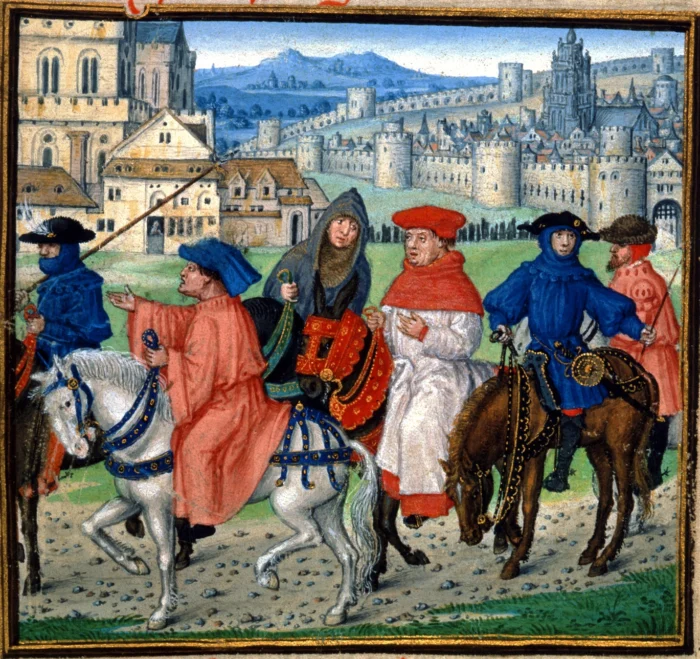
🏇 The Pilgrims Set Out, A Whole Society on One Road
This is the second essay in the project Sivi Reads Chaucer
In the General Prologue to The Canterbury Tales, after the lyrical opening on spring rains and renewal, Chaucer turns to the real heart of the work: the people. Thirty figures on the road, each one embodying a distinct layer of fourteenth-century English society.
What begins as pastoral poetry becomes a sharp social tableau. Nobles, clergy, merchants, peasants, scholars, and workers travel side by side. They speak the same language, yet live in different moral worlds.
It is a portrait rich in contradiction, humor, and unease.
🛡️ The Knight and the Squire, Chivalry in Decline
Chaucer opens with the knight, and this choice is deliberate. He begins at the top: the class that symbolizes the old order of honor, duty, and martial virtue.
Yet already in the first lines, the ideal cracks.
The knight is “as meek as a maid,” wearing a tunic stained from armor, as if stepping out of a battle whose glory has long faded. He feels more like a relic than a hero.
His son, the squire, stands as both continuation and contradiction. Young, musical, passionate, eager to love as much as to fight.
He represents a new nobility: driven by beauty rather than duty, by desire rather than discipline.
From these first figures, we see values shifting. Honor gives way to charm, duty to display, the sword to the song.
⛪ The Nun and the Monk, Religion as a Career
Next come the clergy, though they serve not devotion but satire.
The prioress, feeding her lapdogs sweet bread, and the monk, wrapped in fine fur and eager for the hunt, are figures of elegance, not piety.
They reveal one of Chaucer’s central themes: religious hypocrisy.
The church, meant to guard the soul, becomes a theater of vanity. The sacred turns social, the vow becomes costume, the monastery a court.
⚖️ The Clerk, the Merchant, and the Miller, The Voice of the People
Then the poem descends the social ladder.
The clerk, the merchant, the miller, and the middle classes speak in their own voices, rough or direct, but alive with human truth.
They may lack pedigree, yet they possess clarity.
Chaucer observes them with irony, yet beneath that irony lies empathy.
He does not speak for them. He lets them speak.
As Dryden later wrote, Chaucer was “the first who made his characters talk naturally.”
Each figure becomes a shard of glass reflecting medieval England in its raw, unfiltered complexity.
💭 A Society in Motion
The Prologue is not merely a catalogue of types.
It is a map of a changing world, a society in transition from sacred hierarchy to secular diversity.
Chaucer not only records the world.
He alters the way the world can be written about:
from authority to plurality,
from allegory to human speech,
from saints and kings to everyday souls.
Through thirty pilgrims on one road, English literature finds its modern voice.
לגלות עוד מהאתר Sivi's Books
Subscribe to get the latest posts sent to your email.