For English review, please scroll down.
עצב הראייה הוא ספר מרשים, אבל לא נדיב. הוא דורש מן הקורא עבודת פענוח כמעט בלתי פוסקת, וברובו אינו מחזיר תמורה שמצדיקה את המאמץ הזה. מריה גאינסה יודעת לראות, לפעמים אפילו לחדור, אבל שוב ושוב היא מכריחה את הקורא לעבוד קשה מדי בשביל תמורה קטנה מדי. רק בפרק האחרון נוצר סוף סוף חיבור שאינו נשען על מניירה אלא על אמת.
זה איננו רומן, וגם לא ספר עיון על אמנות. זה ספר שבונה את עצמו על קפיצות חוזרות מן היצירה אל החיים, ולכן הוא תלוי בדיוק שלו יותר מספר רגיל. כשזה עובד, הוא חד. כשזה לא, הוא קורס ישר לתוך המאמץ של עצמו.
וכשגאינסה מדויקת, קשה להתעלם ממנה. האייל הניצוד של דרה איננו נשאר על הקיר. הוא מחלחל אל הצלחת, אל הסעודה, אל החברה האלגנטית שאוכלת מוות עטוף בחמאה ופטרוזיליה. כאן גאינסה לא רק כותבת על ציור, אלא חושפת מנגנון מוסרי. היא מראה איך תרבות גבוהה מאלפת זעזוע והופכת אלימות לדבר אסתטי, כמעט אכיל.
כך גם בכמה מן הפרקים החזקים באמת, על קנדידו לופס, קורבה, טולוז לוטרק ומיסיה. שם האמנות איננה קישוט ולא תחליף להשכלה, אלא כלי חיתוך. דרכה גאינסה נוגעת במלחמה שלא נגמרת, בגוף שנשבר, באם שחיה כמו חורבה מהלכת, בים שמושך אליו אדם עד שיטביע אותו, ובנפש עדינה שהליטוש החברתי כבר קלקל אותה. כאן האמנות חושפת קהות מוסרית, מעמד, כליאה, ביות ופצע.
אבל הספר הזה לא יודע לשמור את הרמה הזאת לאורך זמן. בשלב מסוים החמקמקות חדלה להיות תכונה ונעשית שיטת עבודה. במקום להאיר קשר, גאינסה מסתפקת ברמיזה עליו. במקום לבנות זיקה טעונה בין יצירה לבין חיים, היא משאירה את הקורא לעבוד. ובהתחלה הקורא אכן מוכן לעבוד. הוא מבין שיש כאן ספר שלא נפתח בקלות. אבל בשלב מסוים מתברר שהעבודה הזאת איננה פרשנות. זו עבודת חילוץ.
הספר כולו הוא מטאפורת דיפלופיה.
באחד הפרקים גאינסה נזכרת בילדותה שבה נדרשה להשתמש במכשיר ראייה כדי לאחות שתי צלליות לכדי דימוי אחד. זה בדיוק מה שהספר הזה דורש שוב ושוב מן הקורא. לאחות את האמנות ואת החיים, את הציור ואת הפצע, את היצירה ואת הביוגרפיה. כל עוד האיחוי מחזיק, המאמץ משתלם. אבל כשהחיבורים נחלשים, גם שרירי העין מתעייפים. זו הסיבה שהספר הזה אינו רק קשה, אלא שוחק. הוא מאלץ את הקורא לאחות שוב ושוב שתי צלליות שלא תמיד רוצות להתמזג.


כאן מגיע הפגם הגדול של הספר. גאינסה לא טורחת לצרף רשימה מסודרת של היצירות, שמותיהן המדויקים והאמנים שאליהם היא מתייחסת. זה איננו פרט טכני. זו רשלנות. בעברית המצב נעשה גרוע יותר, מפני שהיצירות עוברות דרך שכבת תרגום ותעתיק שמסבכת עוד יותר את הזיהוי. הקורא נדרש לא רק לפרש, אלא קודם כול לברר על מה בכלל הוא מסתכל. יש הבדל בין ידע שמעמיק קריאה לבין ידע שפותר חידה. עצב הראייה מאלץ את הקורא לצבור שוב ושוב ידע מן הסוג השני.
הבעיה מחמירה כשהספר מתחיל להתאהב במנגנון של עצמו. בפרקים החלשים יותר גאינסה כבר איננה משתמשת באמנות כדי להבין משהו בעולם, אלא כדי לשקף את עצמה. זה הרגע שבו השיטה נהפכת למניירה. הפרק על סקיאבוני הוא הדוגמה הבולטת ביותר. ילדה בציור נראית לה דומה לעצמה, ומכאן היא מעמיסה על הזיהוי הזה כפילים, רוחות, גלגולים, זקנה ובתי אבות. אין כאן טענה חזקה, אלא מיסטיפיקציה פרטית. זה הרגע שבו הספר חדל להיות ביקורתי ונעשה נרקיסיסטי: האמנות מפסיקה להיות חלון ונעשית מראה. זו לא העמקה. זו סגירה.
דווקא משום כך הפרק על רותקו חשוב כל כך. הוא מראה מה הספר הזה היה יכול להיות אילו שמר על משמעת. גאינסה לוקחת צייר שעטוף בהילה, במחירים ובעודף דיבור רוחני, ומחזירה אותו אל מקום שבו ציור באמת יכול לפעול: בית חולים, פחד, מורפיום, מחלה, מסדרון, גבר חולה שמחזיק מעמד עוד לילה. כאן האדום שנבלע בשחור חדל להיות קלישאת מוזיאון ונעשה שפה של קרבת מוות. זה פרק טוב לא מפני שהוא משכנע בגדולתו של רותקו, אלא מפני שהוא מבהיר מה קורה ליצירה כשהיא פוגשת גוף במצוקה. ברגעיה הנכונים, האמנות איננה רעיון. היא התקף.
אבל גם כאן נחשפת מגבלה מוכרת של הספר. החוויה של גאינסה כל כך פרטית, עד שלא תמיד ברור שהיא עוברת הלאה. אצלה רותקו הוא שפת חירום. אצל קורא אחר הוא עלול להישאר כתמי צבע. זה לא כשל של הקורא, אלא תוצאה של כתיבה שנשענת יותר מדי על עוצמת החוויה האישית שלה ופחות מדי על פתיחת הפרק כלפי חוץ. גם כשהספר מצליח, הוא לא תמיד נדיב.
הפרק האחרון מחזיר לספר את מה שכמעט איבד. אל גרקו, הקנאה למיכלאנג'לו, האב, האח, הכישרון שהוחמץ, המשפחה כזירת השוואות והקטנות, המחלה, ההקרנות, השלג, כל אלה מצטרפים לסגירה אמיתית. לא מפני שפתאום הכול נהיה ברור, אלא מפני שלראשונה מזה זמן מה גאינסה אינה נשענת רק על טכניקה. יש כאן כאב ממשי, תסכול ממשי, ומבט שמוכן לעמוד מאחורי מה שהוא אומר.
גם המשפט הטוב ביותר בספר מגיע כאן. גאינסה כותבת שהמחלה הופכת אותנו לאנשי ספר, ושהיא עצמה קוראת כאדם שנמצא במרוץ אחר הזמן, ואז מוסיפה שמצטט טוב הוא מי שמתחמק מלחשוב עצמאית. זו הודאה חכמה מפני שהיא פוגעת גם בה. גאינסה מצטטת בלי סוף, ולרגע אחד בסוף היא מודה במחיר של ההישענות הזאת. לא המחלה הופכת אדם לאיש ספר. מה שהופך אותו לכזה הוא הידיעה שהזמן מוגבל, שהחיים נגמרים, שהגוף נסדק, שמישהו קרוב יכול למות, ושגם אתה אינך נצחי. ברגע הזה הקריאה כבר איננה קישוט. היא ניסיון להספיק.


הפרק האחרון לא מציל את הספר. הוא לא מוחק את הפרקים שנשחקו, לא מתקן את המניירה, ולא פותר את חוסר ההגינות המבני שלו. אבל הוא מוכיח שגאינסה יכולה הייתה לכתוב ספר טוב בהרבה אילו הייתה פחות מאוהבת בחמקמקות של עצמה. כשהיא מניחה לאמן, למחלה, למשפחה ולזמן להיפגש בלי עודף תיאטרון, היא באמת נוגעת במשהו. הבעיה היא שהיא עושה את זה מאוחר מדי.
לכן עצב הראייה הוא ספר מרשים, אבל לא ספר באמת טוב. יש בו תבונה, רגעי חדות, כמה פרקים חזקים מאוד, ויכולת ממשית לחבר בין אמנות לבין חיי נפש. אבל הוא גם ספר מתיש, לא הוגן, ולעיתים קרובות מדי מרוצה מן הערפל שהוא יוצר. הוא דורש יותר משהוא נותן. מי שנהנה מעבודת בילוש, הצלבות, חיפוש יצירות ושחייה מתמשכת בסאבטקסט, אולי יקבל ממנו לא מעט. מי שרוצה להבין על מה הוא מדבר בלי לנהל במקביל ארכיון, מוזיאון ומעבדה הרמנויטית, ימצא את עצמו מותש.
זה ספר שיודע להבריק, אבל לא יודע להחזיק. הוא פותח את העין ואז מכניס בה אצבע. הוא עושה את זה כספר שאובססיבי לעין, לראייה, לרעד שלה, למחלה שלה, לעצב החשוף שלה. לכן הפציעה שהוא גורם איננה רק אסתטית. היא פוגעת בדיוק במקום שהספר מבקש להגן עליו.
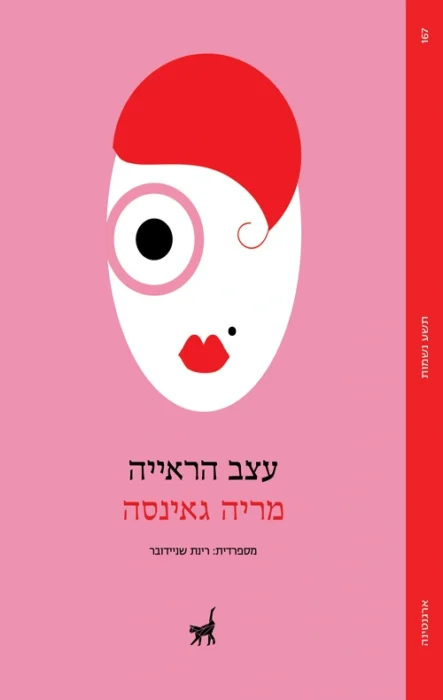
עצב הראייה/ מריה גאינסה
הוצאת תשע נשמות, 2025, 216 עמ'
דירוג SIVI –
איכות אודיו –
Optic Nerve / María Gainza
Optic Nerve is an impressive book, but not a generous one. It demands from the reader almost constant interpretive labor, and for most of its length, it does not offer enough in return to justify that effort. María Gainza knows how to see, at times even how to penetrate, but again and again she forces the reader to work too hard for too little reward. Only in the final chapter does a real connection finally emerge, one that rests not on mannerism but on truth.
This is not exactly a novel, nor is it a work of criticism about art. It is a book built on repeated jumps from artworks to life, and for that reason, it depends on precision more than an ordinary book would. When it works, it is sharp. When it does not, it collapses straight into the strain of its own method.
And when Gainza is precise, she is hard to ignore. Dürer’s hunted stag does not remain on the wall. It seeps into the plate, into the meal, into the elegant society that consumes death wrapped in butter and parsley. Here, Gainza is not merely writing about a painting. She is exposing a moral mechanism. She shows how high culture domesticates shock and turns violence into something aesthetic, almost edible.
The same is true in some of the genuinely strong chapters, those on Cándido López, Courbet, Toulouse-Lautrec, and Misia. Their art is neither decoration nor a substitute for education, but a cutting instrument. Through it, Gainza touches on war that never ended, on a broken body, on a mother living like a walking ruin, on the sea that draws a person toward it until it drowns him, and on a delicate soul already damaged by social polish. Here art exposes moral numbness, class, confinement, domestication, and wound.
But the book does not know how to maintain that level. At a certain point, elusiveness stops being a quality and becomes a working method. Instead of illuminating a connection, Gainza settles for hinting at it. Instead of building a charged relation between artwork and life, she leaves the reader to do the work. At first, the reader is willing. One understands that this is a book that does not open easily. But after a while, it becomes clear that this labor is no longer interpretation. It is extraction work.
The whole book is a metaphor for diplopia.
In one chapter, Gainza recalls her childhood, when she had to use a visual device to merge two shadows into a single image. That is exactly what this book keeps demanding from the reader: to fuse art and life, painting and wound, work and biography. As long as the fusion holds, the effort pays off. But when the connections weaken, the eye muscles grow tired as well. That is why this book is not only difficult but exhausting. It compels the reader again and again to merge two shadows that do not always want to become one.
Here lies the book’s major flaw. Gainza does not bother to provide an orderly list of the artworks, their exact titles, and the artists she discusses. This is not a technical detail. It is negligence. In Hebrew, the problem becomes even worse because the works pass through an additional layer of translation and transliteration, making identification more difficult still. The reader is required not only to interpret, but first of all to figure out what exactly is being looked at. There is a difference between knowledge that deepens a reading experience and knowledge that merely solves a logistical failure. Optic Nerve repeatedly forces the reader to accumulate the second kind.
The problem intensifies when the book begins to fall in love with its own mechanism. In the weaker chapters, Gainza no longer uses art to understand something in the world, but to reflect on herself. That is the moment when the method turns into mannerism. The chapter on Schiavoni is the clearest example. A girl in a painting seems to resemble Gainza herself, and from there she piles onto that resemblance doubles, ghosts, reincarnations, old age, and nursing homes. There is no strong argument here, only private mystification. This is the point at which the book stops being critical and becomes narcissistic: art ceases to be a window and becomes a mirror. That is not deepening. It is closure.
This is precisely why the Rothko chapter matters so much. It shows what the book could have been had it maintained discipline. Gainza takes a painter surrounded by aura, price tags, and too much spiritual chatter, and returns him to a place where painting can actually act: a hospital, fear, morphine, illness, a corridor, a sick man enduring one more night. Here, the red swallowed by black ceases to be a museum cliché and becomes a language of proximity to death. It is a strong chapter, not because it convinces us of Rothko’s greatness, but because it clarifies what happens to art when it meets a body in distress. At its best, art is not an idea. It is an attack.
But even here, a familiar limitation appears. Gainza’s experience is so private that it does not always fully travel outward. For her, Rothko is an emergency language. For another reader, he may remain little more than fields of color. That is not the reader’s failure. It is the result of writing that depends too heavily on the force of her private experience and not enough on opening the chapter outward. Even when the book succeeds, it is not always generous.
The final chapter restores to the book what it had almost lost. El Greco, jealousy of Michelangelo, the father, the brother, talent wasted, the family as a site of comparison and diminishment, illness, radiation, snow, all these elements gather into a real closure. Not because everything suddenly becomes clear, but because for the first time in quite a while, Gainza is no longer relying only on technique. There is real pain here, real frustration, and a gaze willing to stand behind what it says.
The best sentence in the book comes here as well. Gainza writes that illness turns us into people of books, that she herself reads like someone racing against time, and that a good quoter is someone who avoids thinking independently. It is a smart admission because it strikes at her too. Gainza quotes endlessly, and for one moment at the end, she admits the cost of that dependence. Illness is not what makes a person a person of books. What is the knowledge that time is limited, that life ends, that the body cracks, that someone close can die, and that you yourself are not eternal? In that moment, reading ceases to be an ornament. It becomes an attempt to make the most of the time left.
The final chapter does not save the book. It does not erase the weaker chapters, correct the mannerisms, or solve the structural unfairness. But it does prove that Gainza could have written a much better book had she been less in love with her own elusiveness. When she lets the artist, the illness, the family, and time meet without too much theater, she really does touch something. The problem is that she does so too late.
That is why Optic Nerve is an impressive book, but not a truly good one. It contains intelligence, flashes of brilliance, several very strong chapters, and a real ability to connect art with inner life. But it is also exhausting, unfair, and far too often pleased with the fog it creates. It demands more than it gives. Readers who enjoy detective work, cross-referencing, searching for artworks, and prolonged swimming in subtext may get quite a lot from it. Readers who want to understand what the book is talking about without simultaneously maintaining an archive, a museum, and a hermeneutic laboratory will probably end up worn out.
It is a book that knows how to dazzle, but not how to sustain itself. It opens the eye and then sticks a finger into it. Because this is a book obsessed with the eye, with vision, with its trembling, its illness, its exposed sorrow, the injury it causes is not merely aesthetic. It strikes exactly the place the book claims to protect.
לגלות עוד מהאתר Sivi's Books
Subscribe to get the latest posts sent to your email.