Please scroll down for an English review.
“האיש הזקן: פרידה” היה המפגש הראשון שלי עם נגה אלבלך.
ספר קטן, רגיש, כמעט אוורירי, שידע לגעת בכאב האנושי בלי מניפולציות ובלי מבנה מתוחכם מדי.
דווקא בגלל שאהבתי אותו כל כך, נדהמתי לגלות עד כמה עדן רחוק מהרגישות ההיא,
וכנראה גם רחוק ממה שאני מבקשת מהספרות הישראלית כרגע.
"עדן" בנוי משלושה סיפורים נפרדים על שלוש נשים: רוני, דנה ונועה, המתאחדים לקראת סופו לרומן אחד. הבעיה אינה במבנה המקורי, אלא במה שהמבנה מסתיר.
אלבלך ממשיכה גם כאן את המינימליזם המזוהה איתה, אבל המינימליזם הזה, במקום להיות חד, מצמצם וממוקד, הופך למשהו אחר: ריחוק. לא ריחוק אסתטי, אלא ריחוק רגשי, כמעט אדישות.
שלוש הדמויות נעות במרחב באופן מנוכר. הן מתבוננות, מחפשות "בית", משמעות או מגע אנושי, אך נותרות מחוץ למשוואה הרגשית. זה יכול היה להיות מרגש, לו היה שם לב פועם.
אבל הכאב בספר הזה לא חי. הוא מודפס.
הביקורות מתארות את הספר כמסע פנימי נוגע ללב.
יכול להיות שזה נכון על הנייר, אבל בזמן אמת, הקריאה מעבירה תחושה של עומק מדומה: ניסיון להיות משמעותי בלי לקחת את הסיכון הרגשי.
אלבלך לוקחת את אוקטובר 2023, האירוע המטלטל ביותר בחיינו,
ומצרפת אותו לרומן באופן כמעט… סטרילי.
כמו טיפה של דיו שמישהו דילל בעשרה ליטר מים.
האירוע חמור, כן, אבל הוא לא נספג בנפש הדמויות.
הוא לא מטלטל אותן מבפנים; הוא נוכח מבחוץ, כמו רעש רקע. הספר הזה לא מצליח להרגיש את מה שהוא מספר.
כשנועה נעלמת, זה אמור להיות השבר והצומת שבו החלקים מתחברים ונפתחים.
ובמקום זה, קיבלתי שוב את אותו טון מונוטוני, נקי, מסונן היטב מכל מה שעלול לצרוב.
המשטרה מראיינת, העדויות מוגשות, והדופק הספרותי של הדמויות נשאר שטוח.
אלבלך יודעת לכתוב “קטן”.
היא יודעת לצמצם משפט לרגע חד.
אבל הפעם, הצמצום הזה כבר לא יוצר חדות.
הוא יוצר חוסר. חוסר נשימה.
חוסר חום.
בשיא הספר, כשאחת הדמויות מצהירה כי "הכל מתפרק לי בידיים", הדיבור נשמע נכון קונספטואלית, אך נותר מנותק רגשית מהקורא. אם הדרמה הפנימית מוצהרת ולא מורגשת משהו לא עבד.
המציאות שאנו חיים בתוכה דורשת מאיתנו קיר שאפשר להתרסק עליו. אני פשוט לא מצליחה להכיל ספרות שמבקשת להיות "נוגעת" בלי לגעת באמת.
ספרות שמנסה לעבד את מה שקרה כאן דרך עדשה מינימליסטית שאינה מסוגלת לשאת את המשקל.
בפער שבין המינימליזם האסתטי לבין המציאות הישראלית של אחרי אוקטובר, נוצר סדק שאי אפשר לטשטש. "עדן" עומד בדיוק בתוך הסדק הזה, ולא מצליח להחליט אם הוא מתבונן או חי.
בסופו של דבר, זה לא ספר רע. זה ספר מנותק.
ספר שכתוב יפה, אבל מרחף מעל המציאות במקום לצלול לתוכה.
ואולי יש קוראים שימצאו בזה נחמה.
אני לא שם.
לא כרגע.
עדן/ נגה אלבלך
הוצאת הקיבוץ המאוחד, 2025, 270 עמ'
דירוג SIVI –
איכות אודיו –
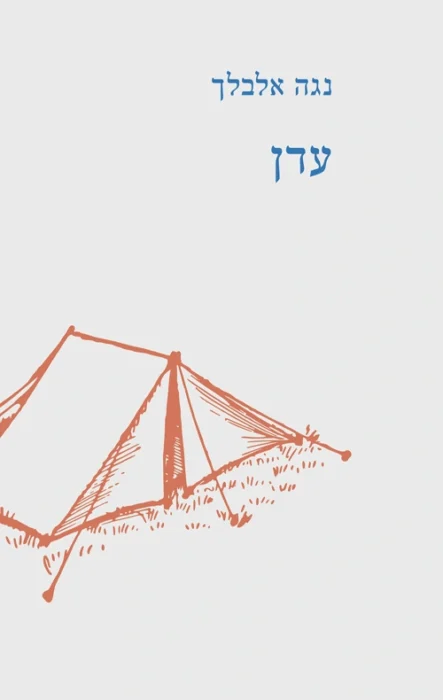
Eden by Noga Albalach
My first encounter with Noga Albalach was through The Old Man: Farewell.
A small, tender book, almost weightless, that managed to touch human pain without manipulation and without an overly crafted structure. Precisely because I loved it so much, I was surprised to discover how far Eden stands from that sensitivity and from what I need from Israeli literature right now.
Eeden is built from three separate stories about three women, braided together toward the end into one novel. The issue is not the structure, but what the structure hides.
Albalach continues here the minimalism she is known for, but this time the minimalism becomes something else: distance. Not aesthetic distance, but emotional detachment, bordering on indifference.
The three protagonists move through the world in a withdrawn, almost numb manner. They observe, they search for “home,” meaning, or human connection, yet they stay outside the emotional frame. This could have been moving if there had been a pulse, or even one sharp moment of genuine pain. But in this novel, the pain does not live. It is printed.
Critics describe the novel as touching and introspective.
Perhaps on paper it is. But in real time, the reading produces a sense of pseudo-depth: an attempt at significance without taking any emotional risk.
Albalach brings October 2023 into the narrative, the most shattering event in our lives, yet incorporates it in a way that feels almost sterile, like a drop of ink diluted in ten liters of water. The event is grave, yes, but it does not penetrate the characters’ inner world. It does not shake them from within. It appears as background noise. The book does not feel what it tells.
When Noa disappears, this should have been the moment of fracture, the hinge that gathers the threads together. Instead, I found the same monotone tone, sanded clean of everything that might sting. The police interrogate, testimonies unfold, but the emotional pulse stays flat.
Albalach knows how to write “small.”
She knows how to compress a moment into a sharp sentence.
But here, the compression does not create sharpness. It creates absence. Lack of breath. Lack of warmth.
At the book’s emotional peak, one character declares that “everything is falling apart in my hands.” It sounds conceptually correct, but emotionally, it remains untouched. When internal drama is stated instead of felt, something fundamental did not work.
The reality we live in demands a wall to crash into. I cannot hold literature that tries to be “moving” without actually touching anything. Literature that wants to process what happened here through a minimalist lens that cannot carry the weight.
Between Albalach’s aesthetic minimalism and the Israeli reality after October, there is a fracture that cannot be blurred. Eeden stands in that fracture, unable to decide whether it witnesses life or lives it.
In the end, this is not a bad book.
It is a detached one.
A book written beautifully, yet hovering above reality instead of diving into it.
Some readers may find comfort in that.
I am not among them. Not now.
לגלות עוד מהאתר Sivi's Books
Subscribe to get the latest posts sent to your email.
יש לי זיכרון עמום של ריאיון עם אלבלך, בו העידה על עצמה שגדלה באשקלון, כמוני. אולי אני מבלבל אותה עם מישהי אחרת. אם תכתוב פעם אוטוביוגרפיה, ארצה מאד לקרוא אותה.
הספר שלה "האיש הזקן: פרידה" ממש ביוגרפי. וחזק. לפי מה שכתוב בוויקיפדיה היא גדלה בפתח תקווה, אבל לך תדע.