
ביום הולדתו הארבעה־עשר קיבל עמוס קלאוזנר ספר מהדוד יוסף, פרופ' יוסף קלאוזנר, דודו של אביו. בספר הייתה הקדשה שקראה לו ללכת בדרך המצפון ולא בעקבות העדר האנושי. עמוס אכן הלך אחרי מצפונו, הרחק מעולמו הפוליטי של הדוד. רק שנים אחר כך הוא יבין מה בדיוק קיבל באותו יום הולדת.
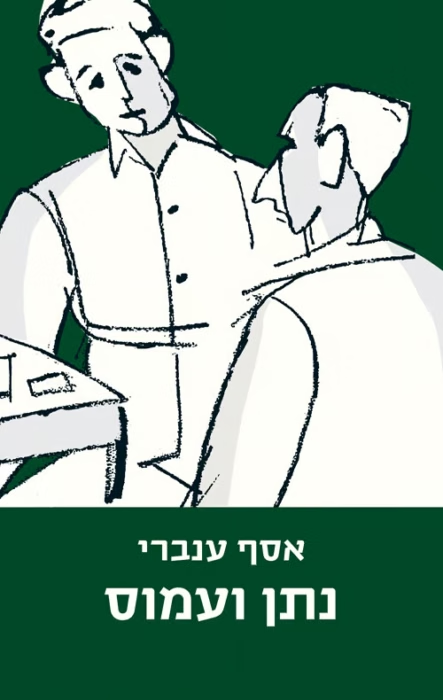
נתן ועמוס מאת אסף ענברי הוא סיפורם של שני אנשי רוח ותרבות, נתן אלתרמן ועמוס עוז, שחייהם ויצירתם שזורים בתולדותיה של מדינת ישראל. במחציתו הראשונה הספר מפנה את מבטו פנימה, אל חייהם האישיים, אל מערכות היחסים המשפחתיות ואל העולם האינטלקטואלי והתרבותי שעיצב את השקפת עולמם. במחציתו השנייה המבט מופנה החוצה, אל המציאות הפוליטית והחברתית של ישראל, מן השנים שקדמו להקמת המדינה ועד לעשורים הראשונים לקיומה. ובתוך התנועה הזאת מתרחש מהלך נוסף: ככל שקרנו של אלתרמן שוקעת, עולה קרנו של עוז, ושני המסלולים מתקדמים זה לעבר זה, עד למפגש ביניהם בסיום הספר.
שני הסופרים צמחו מעולמות שונים מאוד. אלתרמן הזדהה עם הממלכתיות של דוד בן־גוריון וראה בו את המנהיג שעיצב את דמותה של המדינה הצעירה. עוז גדל בבית רוויזיוניסטי בירושלים, מרד במורשת המשפחתית ועבר לקיבוץ חולדה, שם אימץ את ערכי גורדוניה: העבודה, השוויון וההגשמה החלוצית. בהמשך הזדהה עם פנחס לבון והפך לאחד ממבקריו החריפים של בן־גוריון.
מה שצריך לדעת
אסף ענברי מספר את סיפוריהם המקבילים של נתן אלתרמן ועמוס עוז, ומחבר בין חייהם האישיים, יצירתם והוויכוחים הפוליטיים שעיצבו את ישראל. הספר מועמד לפרס ספיר 2026 ברשימה הארוכה.
למי שמתעניינים בהיסטוריה ישראלית, ספרות עברית, ציונות, פוליטיקה ובאופן שבו אנשי רוח משתתפים במאבקים של זמנם.
המבנה המקביל בין אלתרמן לעוז והיכולת להציג בעומק גם עמדות מנוגדות, עד שהוויכוח הפוליטי הופך לדיון אמיתי בין תפיסות של צדק.
במחצית השנייה העיסוק הפוליטי הולך ודוחק את הסיפור האישי והמשפחתי. הספר אינו מאבד מעומקו, אבל משהו מן האינטימיות של חלקו הראשון מתפוגג.
עולמו האישי של אלתרמן היה סוער וקודח לא פחות מעולמו הספרותי. נישואיו לרחל מרכוס, מערכת היחסים הממושכת עם צילה בינדר, יחסיו המורכבים עם בתו תרצה, חיי הבוהמה, השתייה והיצירה, כל אלה התקיימו לצד מעמדו כמשורר הלאומי. עם השנים הלכה קרנו הספרותית ושקעה. היצירה כבר לא העניקה לו את תחושת הסיפוק וההכרה שלה זכה עם "כוכבים בחוץ", והביקורת על שירתו, הכישלונות בתיאטרון והאובדנים האישיים העמיקו את השקיעה. דווקא בשנים האלה גברה מעורבותו הפוליטית, עד שאחרי מלחמת ששת הימים הפכה למוקד חייו. מבקריו ראו בכך הידרדרות של משורר גדול לעסקנות פוליטית. ענברי מראה שאלתרמן עצמו ראה בזה התבגרות: התרחקות מן השירה המצועפת והסמלית של נעוריו אל המציאות ההיסטורית, אל הארץ ואל האחריות הציבורית. הפוליטיקה הייתה בשבילו המשך דרכו כאיש רוח, ואולי המקום שבו מצא מחדש את המשמעות שהשירה כבר התקשתה להעניק לו.
בזמן שאלתרמן נסוג מן העולם הספרותי, עולה קרנו של עוז. דרכו אל הספרות כרוכה בקרע עמוק עם המשפחה שממנה צמח. הדוד יוסף, ההיסטוריון שהיה ממייצגיה הבולטים של הציונות הרוויזיוניסטית, היה דמות מרכזית בעולמו של עמוס הצעיר. ובאופן מפתיע, דווקא מתוך כתבי הדוד ומתוך הסוציאליזם המקראי־נבואי שבו החזיק, מצא עמוס את היסודות למרד שלו. אחרי מות אמו ונישואיו השניים של אביו ביקש להתנתק מירושלים, ממשפחת קלאוזנר ומעולמה הרעיוני. את השם קלאוזנר החליף בעוז, ואת העולם הרוויזיוניסטי החליף בחולדה ובגורדוניה.
מלחמת ששת הימים מציבה את שני הסופרים משני עבריו של המתרס. אלתרמן הופך לאחד הקולות הבולטים בתנועה למען ארץ ישראל השלמה. עוז מפרסם את עמדתו נגד השליטה בשטחים, וסופג גינויים והתקפות. ואז ההקדשה חוזרת. וכך כותב ענברי בפרק 66:
"סוף־סוף הרגיש את מה שהרגיש הדוד יוסף כל חייו באוניברסיטה העברית. הוא פתח שוב את הספר שהדוד נתן לו, כדי לקרוא שוב את ההקדשה: 'יש ללכת בדרך שמוליך המצפון ולא העֵדר האנושי'. כי זה ההבדל בין נביא אמת לנביא שקר."
אין נביא בעירו. חולדה, הבית שעמוס בחר לעצמו במקום ירושלים, לא קיבלה את נבואתו, בדיוק כמו שהאוניברסיטה העברית לא קיבלה את נבואתו של הדוד יוסף. איזו סגירת מעגל נפלאה. נביא האמת מוכן לעמוד מול העם ולהשמיע את מה שהוא מאמין שהוא האמת, גם כשהדברים אינם מתקבלים באהדה. מי שאומר לעם את מה שהוא מבקש לשמוע הוא נביא השקר. ההתרחקות האידיאולוגית של עמוס מדודו חושפת את עומק הקרבה הרוחנית ביניהם. וכדי שהמעגל ייסגר עד הסוף, מי שיוצא להגנתו של עמוס הוא דווקא פרופ' הוגו ברגמן, יריבו הגדול של הדוד יוסף, שרואה במאמר "מאורע רוחני כביר".
ומה ניבא עוז? במאמר ארוך שכתב בזמן שחיכה לתשובה על "מיכאל שלי", הוא מזהה את הזרם שיכריע את גורל הציונות אחרי המלחמה, ומתאר אותו במדויק: "ערגת־מלכות ותקיעת שופרות וכיבוש כנען בסוּפה". אם הזרם הזה יגבר, הוא מזהיר, המלחמה בין שני העמים תהיה מלחמה עד מוות. ובאותן שנים מתרחש היפוך מרתק ביחס לבן־גוריון. עוז, שנאבק בו שנים בעקבות פרשת לבון, מתחיל לראות בו את גדול המדינאים של דורו, מנהיג שהבין את חשיבותה של חלוקת הארץ והעדיף את טובת המדינה על פני שלמותה. אלתרמן, שהיה מנאמניו הגדולים, מתרחק ממנו. ענברי מנסח את הבחירה החדשה כבחירה בין ממלכתיות למשיחיות. בצד האחד עומדים בן־גוריון ו"אלתרמן הישן", ובצד האחר טבנקין, תלמידי מרכז הרב ו"אלתרמן החדש".
אחד הפרקים המרתקים בעיניי מתאר את ראשית ההתיישבות היהודית בחברון. הרב משה לוינגר מבקש מחברי התנועה למען ארץ ישראל השלמה סיוע במימון ליל סדר בחברון, מתוך כוונה להישאר בעיר גם אחרי החג. מתפתח ויכוח על הלגיטימיות של יצירת עובדות בשטח בלי אישור ממשלתי, ואלתרמן מזכיר את הקמת תל עמל, שבה השתתפה אחותו, כמופת להתיישבות חלוצית שלא חיכתה לאישורים. בסוף מגיעים לוינגר ואנשיו למלון בחברון, ואשתו מביאה איתה מקרר ומכונת כביסה. מבחינתה, לפחות, הוויכוח הוכרע: המשפחה עברה דירה. הממשלה, לעומת זאת, התקשתה להחליט כיצד להתמודד עם המציאות שנוצרה בשטח.
הטיעון של אלתרמן הוא לב העניין. ההתיישבות בחברון הציגה את עצמה כהמשך ישיר של חומה ומגדל, של המעשה החלוצי שעליו גדלה תנועת העבודה. בעיני מתנחלי חברון, זו הגשמת הבטחה מקראית וגם המשך המעשה החלוצי. ומכאן גם הקושי של הממשלה: קשה לפסול מעשה שאתה עצמך קידשת שלושים שנה קודם. ענברי מראה כיצד החלטות של אנשים חדורי אמונה ונחישות, מול רשויות שמהססות, הופכות למהלכים היסטוריים שהשלכותיהם מלוות אותנו עד היום.
אני מתנגדת לכיבוש ותומכת בהיפרדות מלאה מן הפלסטינים. אני מאמינה שהשליטה המתמשכת בעם אחר משחיתה את החברה השולטת, ושאנחנו משקיעים משאבים עצומים בניהול האוכלוסייה הפלסטינית ובפיקוח עליה, במקום לבנות את החברה שלנו. אני מאמינה שאילו הממשלה הייתה מטפלת כראוי במעשה ההתנחלות הזה בזמן אמת, היינו היום במקום אחר. ענברי נועץ את הסמן בנקודת ההתחלה של מה שעתיד לשנות את סדרי העדיפויות הלאומיים שלנו: ההתיישבות באזורים השנויים במחלוקת תזכה לתנופה ולהשקעות עצומות, בזמן שהגליל והנגב, שריבונותנו עליהם אינה מוטלת בספק, ייוותרו מאחור.
ובכל זאת, אני רוצה לחזור לרגע אחד מהפרק, הרגע שריגש אותי במיוחד. באותו ליל סדר בחברון קם משה שמיר לברך על הכוס הרביעית, ונושא נאום שכמעט גרם לי למחוא לו כפיים. שמיר אכן ישב בסדר ההוא, אבל את הנאום, ככל הידוע, כתב ענברי. הוא בנה אותו מתוך הביוגרפיה של שמיר, מן הזיכרון האישי של פרעות תרפ"ט ועד חברון המקראית. כל ניסיון לתמצת אותו יחמיץ את המהלך, ולכן אביא אותו כמעט כפי שהוא מופיע בספר:
"הייתי ילד בכיתה ג' בימי פרעות תרפ"ט. זה היה בחופש הגדול. הייתי אצל סבתא שלי, במושבה באר יעקב. ההורים של אחת מבנות כיתתי נסעו לחברון, לביקור משפחתי של שבוע, ונרצחו שם יחד עם שישים וחמישה הנרצחים האחרים. סבתא העירה אותי בלילה, הלבישה אותי מהר, דחפה לי את הסנדלים לידיים ורצה איתי אל בניין האבן היחיד של המושבה, שעמד על הגבעה. ראיתי משהו אדום זוהר באופק. 'סבתא, מה זה שם?' 'חולדה בוערת'. חולדה נשרפה ונעזבה…."
והוא ממשיך –
"הפּחד מחברון לא התחיל בפרעות תרפ"ט. כבר המרגלים שמשה שלח לתור את הארץ פחדו מחברון, אמרו שיש בה ענקים. כבר אז עלתה השאלה אם יכול נוּכל לה או לא. העשׂרה שאמרו שלא, נעלמו מהעולם. השניים שאמרו שכן – כָּלב ויהושע – הם אלה שהמשיכו את העם. כשנחלנו את הארץ, כָּלב נחל את חברון – העיר המרכזית של נחלת שבט יהודה. כאן קבור אחיו, עתניאל, השופט הראשון שהנהיג את העם. תל אביב, שבה גדלתי, נקראת 'העיר העברית הראשונה'. העיר העברית הראשונה היא חברון. זו העיר שדוד הוכתר בה למלך; עיר־דוד המקורית; עיר הבירה הראשונה שלו – שלנו – לפני ירושלים". הוא הרים שוב את הכוס. "ושבו בנים לגבולם!"
יש משהו מרטיט ביכולת לטוות חוט אחד בין המקרא, ההיסטוריה היהודית והמציאות העכשווית. המקורות חיים בתוך הדובר. ההיסטוריה היא זיכרון שממשיך לפעום בהווה. זה בדיוק סוג העומק התרבותי שמרגש אותי עד דמעות: לראות כיצד מאורעות ההווה מהדהדים את העבר, וכיצד מילים שנכתבו לפני אלפי שנים מקבלות משמעות חדשה. ואני מתנגדת למסקנות של הנאום הזה בכל ליבי.
אבל כדאי לשים לב מה עושה הנאום. שמיר מספר על המרגלים: עשרה פחדו מחברון, ושניים, כלב ויהושע, אמרו "יכול נוכל". מיעוט צודק מול רוב מפוחד. זה בדיוק המבנה של ההקדשה של הדוד יוסף. שני המחנות טוענים לגלימת הנביא, ושניהם עומדים כמיעוט מול העדר. ועוד דבר: מה שעוז הזהיר ממנו חודשים קודם, ערגת המלכות וכיבוש כנען, מופיע בחברון בגרסה הכי יפה ומרגשת שלו. עוז זיהה מראש את הזרם וגם את כוח המשיכה שלו. כשאני כמעט מוחאת כפיים, אני מרגישה על עצמי את המשיכה הזאת.
אז מי נביא האמת? לתנ״ך יש מבחן. בספר דברים נקבע שנביא שדבריו אינם מתקיימים הוא נביא שקר, וירמיהו אומר לחנניה: ״הנביא אשר ינבא לשלום, בבוא דבר הנביא ייוודע הנביא אשר שלחו ה׳ באמת״. ברגע עצמו אי אפשר לדעת. רק הזמן מכריע.
והמבחן הזה מחזיר תשובה כפולה: שתי הנבואות התגשמו. שמיר הכריז "ושבו בנים לגבולם", והבנים שבו. עוז הזהיר שהשליטה בעם אחר תשחית אותנו, ואנחנו משלמים את המחיר עד היום. ספר דברים לא הכין אותנו למצב כזה. המבחן שלו יודע לומר אם נבואה התגשמה, ואינו יודע לומר אם המעשה היה צודק. אחת הנבואות תיארה את המעשה, השנייה את מחירו. וזו הטרגדיה.
עוז עצמו נתן לזה שם. טרגדיה, כתב, היא התנגשות בין צדק לצדק, ופשרה תיתכן רק בין ציוני בלתי־עקבי לפלסטיני בלתי־עקבי. אולי זה מה שקרה לי בליל הסדר ההוא בחברון: עמדתי מול צדק שאני מתנגדת לו, והרגשתי את עוצמתו.
ואולי זה אחד הדברים שהכי חסרים לי בתרבות הישראלית של ימינו: היכולת לנהל מחלוקת מתוך היכרות עמוקה עם ההיסטוריה, עם המקורות ועם התרבות שמתוכה צמחנו. ענברי עושה את זה לאורך כל הספר. הוא כותב את הטיעון הטוב ביותר של היריב, בעומק ובאהבה, ונותן לו את הבמה.
ואחרי כל המסלולים האלה, נתן ועמוס נפגשים לבסוף בסיום הספר. הם יושבים זה מול זה, אומרים "שלום, נתן" ו"שלום, עמוס", וזהו. ענברי סוגר את הספר בדיוק במקום שבו השיח אמור להתחיל. את השיחה הזאת, בין צדק לצדק, אף אחד לא ינהל בשבילנו. היא מוטלת עלינו.
Nathan and Amos / Assaf Inbari
On his fourteenth birthday, Amos Klausner received a book from Professor Joseph Klausner, his father's uncle. Inside was a dedication urging him to follow the path of conscience rather than the human herd. Amos did indeed follow his conscience, moving far away from his great-uncle's political world. Only years later would he understand exactly what he had been given on that birthday.
"Nathan and Amos" by Assaf Inbari is the story of two major Israeli intellectuals and writers, Nathan Alterman and Amos Oz, whose lives and work are woven into the history of the State of Israel. In its first half, the book looks inward, toward their personal lives, family relationships, and the intellectual and cultural worlds that shaped their views. In the second half, the focus turns outward, toward Israel's political and social reality, from the years preceding statehood through its first decades. At the same time, another movement takes place: as Alterman's literary stature declines, Oz's rises, and the two trajectories gradually approach one another until the men finally meet at the end of the book.
The two writers emerged from very different worlds. Alterman strongly identified with David Ben-Gurion's conception of statehood and saw him as the leader who shaped the young country. Oz grew up in a Revisionist household in Jerusalem, rebelled against his family's ideological inheritance and moved to Kibbutz Hulda, where he embraced the values of Gordonia: labor, equality and pioneering fulfillment. He later identified with Pinhas Lavon and became one of Ben-Gurion's sharpest critics.
Alterman's personal world was no less turbulent than his literary one. His marriage to Rachel Marcus, his long relationship with Tzila Binder, his complicated relationship with his daughter Tirza, the bohemian life, drinking and writing all existed alongside his status as a national poet. Over the years, his literary standing declined. Writing no longer gave him the satisfaction and recognition he had known after "Stars Outside", while criticism, theatrical failures and personal losses deepened his decline. During those same years, his political involvement intensified, and after the Six-Day War it became central to his life. Critics saw this as the deterioration of a great poet into political activism. Inbari shows that Alterman himself saw it as maturity: a movement away from the veiled symbolic poetry of his youth toward historical reality, the land and public responsibility. Politics became for him an extension of his role as an intellectual, perhaps even the place where he rediscovered the meaning that poetry could no longer provide.
As Alterman receded from the literary world, Oz's reputation rose. His path toward literature was bound up with a profound break from the family he was born into. His great-uncle Joseph, the historian and prominent representative of Revisionist Zionism, had been an important figure in young Amos's world. Surprisingly, it was partly through Klausner's writings and his biblical-prophetic socialism that Amos found the foundations for his own rebellion. After his mother's death and his father's remarriage, he sought to separate himself from Jerusalem, from the Klausner family and from its ideological world. He replaced the name Klausner with Oz and exchanged Revisionism for Hulda and Gordonia.
The Six-Day War places the two writers on opposite sides. Alterman becomes one of the leading voices of the Movement for Greater Israel. Oz publishes his opposition to continued rule over the occupied territories and is attacked for it. At that moment, the old dedication returns: one must follow conscience rather than the herd. Oz suddenly understands something of what his great-uncle had experienced throughout his own life at the Hebrew University.
There is no prophet in his own city. Hulda, the home Amos chose in place of Jerusalem, did not welcome his prophecy, just as the Hebrew University had not welcomed that of his great-uncle Joseph. It is a remarkable closing of a circle. The true prophet must be willing to stand against the people and say what he believes to be true, even when no one wants to hear it. The false prophet tells the people what they already wish to hear. Amos's ideological distance from his great-uncle ultimately reveals the depth of their spiritual resemblance. And to complete the circle, one of the men who comes to Oz's defense is Professor Hugo Bergmann, Joseph Klausner's great rival.
What did Oz prophesy? In a long essay written while he waited to hear whether "My Michael" would be accepted, he identified what he believed would become a decisive current in Zionism after the war: a longing for sovereignty, biblical trumpets, and a renewed conquest of Canaan. If that current prevailed, he warned, the struggle between the two peoples would become a war to the death.
During those same years, an intriguing reversal takes place in Oz's attitude toward Ben-Gurion. After years of opposing him over the Lavon Affair, Oz begins to see him as the greatest statesman of his generation, a leader who understood the importance of partition and preferred the good of the state to territorial wholeness. Alterman, once among Ben-Gurion's loyal supporters, moves away from him. Inbari frames the new choice as one between statehood and messianism.
One of the most fascinating chapters describes the beginnings of renewed Jewish settlement in Hebron. Rabbi Moshe Levinger asks members of the Movement for Greater Israel to help finance a Passover seder in Hebron, while intending to remain in the city after the holiday. A debate develops over the legitimacy of creating facts on the ground without formal government approval. Alterman invokes the earlier pioneering settlements as a precedent. Eventually Levinger and his group arrive at the Park Hotel in Hebron, and his wife brings a refrigerator and washing machine. As far as she is concerned, the debate is over: the family has moved house. The government has much greater difficulty deciding what to do with the reality created on the ground.
Alterman's argument is central. The settlement in Hebron presented itself as a direct continuation of the pioneering ethos on which the Labor movement was founded. For the Hebron settlers, it was both the fulfillment of a biblical promise and a continuation of Zionist pioneering. This also explains the government's difficulty: it is hard to condemn a form of action that you yourself sanctified a generation earlier. Inbari shows how determined people acting in the face of hesitant institutions can create historical facts whose consequences remain with us decades later.
I oppose the occupation and support full separation from the Palestinians. I believe that prolonged control over another people corrupts the society exercising that control, and that enormous resources are invested in administering and supervising the Palestinian population instead of building our own society. I believe that had the government dealt properly with this act of settlement when it first occurred, we might be living in a different reality today. Inbari places a marker at the beginning of a process that would eventually transform Israel's national priorities: enormous investment in disputed territories while the Galilee and the Negev, whose place within Israeli sovereignty is not in question, remain behind.
And yet I want to return to one moment in the chapter, the moment that moved me most. At that Passover seder in Hebron, Moshe Shamir rises to speak over the fourth cup. Shamir was indeed present at the seder, but the speech, as far as we know, is Inbari's literary reconstruction, built from Shamir's biography, the memory of the 1929 riots, and biblical Hebron.
The speech traces one continuous line from Shamir's childhood memories of the 1929 massacres, through the biblical spies who feared Hebron, to Caleb, Joshua, King David, and the Jewish return to the city. It ends by presenting Hebron, rather than Tel Aviv, as the true first Hebrew city and proclaiming the return of the sons to their borders.
There is something deeply moving in the ability to weave a single thread between the Bible, Jewish history and contemporary reality. The sources live within the speaker. History becomes memory that continues to pulse in the present. This is exactly the kind of cultural depth that can move me to tears: seeing how events in the present echo the past and how words written thousands of years ago acquire new meaning. And I oppose the conclusions of that speech with all my heart.
But notice what the speech is doing. Shamir tells the story of the spies: ten feared Hebron, while two, Caleb and Joshua, said that it could be conquered. A righteous minority against a frightened majority. It is exactly the structure of Joseph Klausner's dedication. Both camps claim the mantle of the prophet, and both present themselves as a minority standing against the herd. And there is something else: what Oz had warned against only months earlier, the longing for kingship and the conquest of Canaan, now appears in Hebron in its most beautiful and emotionally compelling form. Oz identified both the current and its power of attraction. When I almost find myself applauding, I can feel that attraction working on me.
So who is the true prophet? The Bible proposes a test: a prophet whose words do not come true is false, while fulfillment appears to confirm prophecy. But in the moment itself, no one can know. Only time can decide.
And here the test produces a double answer: both prophecies came true. Shamir proclaimed that the sons would return to their borders, and they did. Oz warned that ruling another people would exact a corrupting price, and we are still paying it. Deuteronomy did not prepare us for this possibility. Its test can tell us whether a prophecy came true, but not whether the action it foretold was just. One prophecy described the act. The other described its price. That is the tragedy.
Oz himself gave this kind of situation a name. Tragedy, he argued, is a collision between justice and justice, and compromise can occur only between an inconsistent Zionist and an inconsistent Palestinian. Perhaps that is what happened to me at that Passover seder in Hebron: I stood before a form of justice I oppose and nevertheless felt its force.
Perhaps this is also one of the things I miss most in Israeli culture today: the ability to argue from within a deep familiarity with our history, our sources, and the culture from which we emerged. Inbari does this throughout the book. He writes the strongest possible argument for the opposing side, with depth and affection, and allows it to stand on its own.
After all these parallel trajectories, Nathan and Amos finally meet at the end of the book. They sit opposite one another, exchange a simple greeting, and that is all. Inbari ends the book at precisely the point where the conversation should begin.
No one will conduct that conversation between justice and justice for us. It is ours.
לגלות עוד מהאתר Sivi's Books
Subscribe to get the latest posts sent to your email.
1 מחשבה על “נתן ועמוס | אסף ענברי”
זה ספר שידעתי שלא אקרא אותו.
משתעמם מביוגרפיות מכל סוג.
תודה על ההמלצה