
בתודעה ההיסטורית החמקמקה של הציבור הרחב, עדיף היה להיות יהודי בהולנד מאשר בפולין, כי מכל מדינות אירופה, הפולנים היו אנטישמים בצורה רצחנית ובקצה השני של הקשת נמצאו ההולנדים, שלא הראו אנטישמיות בולטת והיהודים חיו שם בשלום זה 340 שנה עד הפלישה הנאצית.
התודעה הזו מסתמכת על מיתוס, שבעיקר טיפחו ההולנדים, על עמידות הגבורה שלהם מול הגרמנים ויחסם האצילי כלפי היהודים. מיתוס שהחל להתפורר עם פרסום יומנה של אנה פרנק.
היום ידוע כי 75% מיהדות הולנד נכחדה בשואה, שיעור גדול מכל מדינות אירופה, שלא רק עורר מהומה בהולנד כשנודעו המספרים האמיתיים אלא חייב אותם לבחינה עצמית כיצד יתכן החורבן הזה?
זאק פרסר, היסטוריון יהודי מוכשר ששרד את המלחמה הודות לחבריו שהסתירוהו ודאגו לצרכיו במשך שנתיים, נתבקש ע"י הממשלה ההולנדית לחקור את פרשת ההכחדה. את תוצאות החקירה הוא פרש במחקר שעורר סערה קשה בהולנד. תוצאות מחקר זה הוא מגולל גם בנובלה "ליל הזירונדינים", שהיא סיפורו של ז`אק סואסו רודריגז באותה המידה שהיא גם סיפורה של יהדות הולנד הנכחדת.
אי אפשר להבין את הספר ללא רקע על מהלך העניינים ההיסטורי בהולנד – המושג ליל הזירונדינים מתייחס לערב המהפכה הצרפתית בה נציגי הסיעה הזירונדיסטית הודחו ע"י נציגי הסיעה היעקובינית, בגלל רצף כשלונות מלחמתיים. הזירונדינים הואשמו בבגידה והוצאו להורג ע"י הגיליוטינה. המהלך הזה זכור כמהלך מתוחכם וערמומי של רובספייר שכונן משטר רודנות. במובן זה, הז`ירונדינים הם סמל לתינוק שנשפך עם המים שכן הם היו תומכים נלהבים של זכויות האזרח בצרפת (מטרת המהפכה) במקביל הם סמל לבגידה שעוד תתגבש ותבוא.
בשנת 1939 הקימה ממשלת הולנד בסיוע כספי היהודים את מחנה וסטרבורק על מנת לתת פתרון לפליטים היהודים שהצליחו לברוח מגרמניה. בתקופה בה מדינות התנגדו להתיר לפליטים להגר לתחומן, בעיקר משיקולים כלכליים (עמדות שהובעו בוועידת אוויאן) צעד זה נחשב להומניטרי, אבל בראיה היסטורית כפי שמופיע גם בהקדמת המתרגמת, זה היה צעד אחד מני רבים בשיתוף הפעולה של ההולנדים עם המשטר הנאצי.
במקום לראות ביהודים פליטים, נרדפים, בחרה הממשלה ההולנדית לנהוג בהם כזרים.
למי שקרא את מלון פרובלמט, המושג זרים מצביע על היחס והטיפול לו זכו היהודים ולאלה שלא קראו, זרים משמעותו בני אדם ללא זכויות ולמעשה ללא חיים.
במאי 1940 פלשו הגרמנים להולנד. ההולנדים שלא נלחמו מאות שנים (החל מאמצע המאה ה- 17) נפלו שדודים לאחר 4 ימים. הממשלה והמלכה ההולנדית עזבו לבריטניה ולמעשה הפקירו את האזרחים לגורלם. הנאצים פעלו בתחכום שכן הם לא רצו לעורר התנגדות וביקשו להטמיע את הולנד ברייך ה- 3.
המושל שמונה, נהג יד רכה שהוליכה רבים שולל ולכן מנהיגי הקהילה היהודים נהגו בהתאם לגישה "לא לגלות התנגדות על מנת למנוע גרוע יותר". באוקטובר 1940 החל רישום עובדי הציבור היהודים ובינואר 1941 הוצא צו לרישום כלל התושבים היהודים. ביצוע המלאכה נעשתה כל כך בקפדנות שאיש לא הצליח להתחמק מהרישום והגרמנים השיגו רשימה מדוייקת שכללה כ- 160,000 יהודים מתוכם כ- 20,000 יהודים מעורבים.
בשלב הבא הוקם היודנרט ובמקביל נשלחו ליהודי הולנד צווי התיצבות במחנה וסטרבורק. ליודנרט נודעה משמעות רבה הן בשביל היהודים והן עבור הגרמנים: הוא היה חולית הקישור בין הציבור היהודי לשלטון הגרמני וככזה תפקידו אופיין בשניות. היודנראט ההולנדי היה אחראי על פעילויות התרבות, החינוך והדת. עליו הוטלה גם האחריות לאספקת וחלוקת מזון. במקביל הוקמה גם משטרה פנימית במחנה שתפקידה היה לשמור על הסדר שביציאת המשלוחים.
הספר מתאר את הצטרפותו של ז`אק, יעקב, למשטרה במחנה וסטרבורק. הוא נמצא על סף שילוח לסוביבור והוא מודע לכך שזו בוודאי תהא דרכו האחרונה, ולכן הוא מוצא את הזמן לבוא בחשבון עם עצמו ועם מעשיו לאורך התקופה ששימש בתפקידו כשוטר. אט –אט נפרשת בפני הקורא מסכת כאובה של החלטות ומעשים שבעליל יוצרים דילמה מוסרית קשה וכואבת. האם הצלת 10 צדיקים במחיר הכחדת היתר, שיעלו לעולה ראויה מבחינה מוסרית והילכתית?
הכותב מתאר את דרך ההסתאבות וקלות השתיקה. רק כאשר חרב דמוקלס מונפת מעל גרונו, הוא מתאר את הרמיה, התעתוע, ההתעללות והבגידה הקשה שלו בבני עמו אותם שילח למוות. ולא רק שלו, אלא של המנהיגים היהודיים שיצרו חזות וכסות בפני ה"עיוורים" אותם היו אמורים להנהיג אל השיחרור. אותם מנהיגים שהעדיפו לשלח את פשוטי העם לפני הגבירים ובסופו של דבר נאלצו גם אותם להקריב על מנת להציל את עורם ונשמתם שגם כך נמכרה לשטן.
בתיאור ראליסטי וחד פרסר מגיש לקורא את התדרדרות והתפוררות האשליה הנאצית ושל ההנהגה היהודית. סיפור כואב שמרעיד את הנימים.
ויש גם פאן אחר לנובלה הזו; אישתו הראשונה של פרסר, דֶה, נתפסה בנסיונה לברוח מהולנד והועברה למחנה ומשם במשלוח לסוביבור. פרסר לא חדל לבכות את אהובתו במיוחד לאחר שנודע לו גורלה. הוא שיבץ אותה כדמות לקראת סוף הנובלה, מה שנותן נופך מאוד אישי וכואב לסיפור. מתורגם ביד אמן עם הערות מועילות לקורא העברי . מומלץ בחום כמתאבן ליום השואה 2007.
ליל הז'ירונדינים/ פרסר ז'ק
הוצאת הקיבוץ המאוחד, 2004, 102 עמ'
דירוג SIVI –
איכות אודיו –
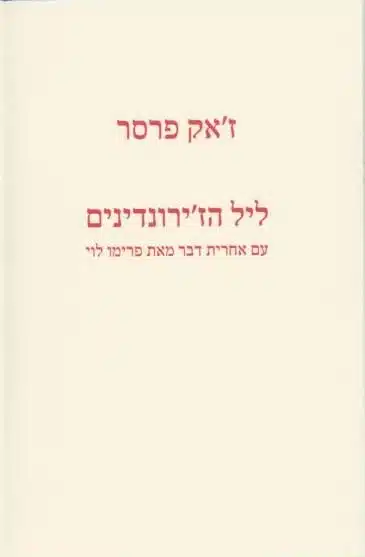
The Night of the Girondins / Jacques Presser
In the elusive historical consciousness of the broader public, it seemed preferable to be Jewish in the Netherlands rather than in Poland. Of all the countries in Europe, the Poles were seen as murderously antisemitic, while at the opposite end stood the Dutch, who supposedly showed little overt antisemitism and had lived peacefully with Jews for 340 years, until the Nazi invasion.
That consciousness was based on a myth, one carefully cultivated by the Dutch themselves, about their heroic resistance to the Germans and their noble conduct toward the Jews. It was a myth that began to crack with the publication of Anne Frank’s diary.
Today it is known that 75 percent of Dutch Jewry was destroyed in the Holocaust, a higher percentage than in most European countries. The revelation of the true numbers caused real upheaval in the Netherlands and forced the country to ask itself how such destruction had been possible.
Jacques Presser, a gifted Jewish historian who survived the war thanks to friends who hid him and cared for him for two years, was commissioned by the Dutch government to investigate the extermination of Dutch Jewry. He presented his findings in a historical study that caused a storm in the Netherlands. He also distilled these conclusions into the novella The Night of the Girondins, which is the story of Jacques Suasso Rodriguez, but just as much the story of the destruction of Dutch Jewry itself.
It is impossible to understand the book without some historical background to events in the Netherlands. The term “Night of the Girondins” refers to the phase of the French Revolution when the Girondins were pushed aside by the Jacobins after a series of military failures. The Girondins were accused of treason and sent to the guillotine. The episode is remembered as a cunning and ruthless move by Robespierre that consolidated dictatorship. In this sense, the Girondins symbolize both a baby thrown out with the bathwater, since they had strongly supported civil rights, and a form of betrayal that would later deepen and harden.
In 1939, the Dutch government, with Jewish financial support, established the Westerbork camp in order to provide a solution for Jewish refugees who had managed to flee Germany. In a period when many countries refused to admit refugees, usually on economic grounds, as had been made clear at the Évian Conference, this move was considered humanitarian. But historically, as the translator’s introduction also makes clear, it was one step among many in Dutch cooperation with the Nazi regime.
Instead of seeing the Jews as refugees, as persecuted human beings, the Dutch government chose to treat them as foreigners.
For those who have read Hotel Problematic, the term “foreigners” points directly to the treatment the Jews received. For those who have not, “foreigners” means human beings without rights, and in practice without lives.
In May 1940, the Germans invaded the Netherlands. The Dutch, who had not fought a war for centuries, from roughly the mid-seventeenth century onward, collapsed after four days. The Dutch government and queen fled to Britain, effectively abandoning the population to its fate. The Nazis acted with cunning. They did not want to provoke open resistance and hoped to integrate the Netherlands into the Third Reich.
The governor appointed by the Nazis ruled with a soft hand that deceived many, and the Jewish leadership acted accordingly, following a strategy of “do not resist, in order to prevent something worse.” In October 1940, Jewish civil servants were registered, and in January 1941 an order was issued to register all Jewish residents. The task was carried out so meticulously that almost no one escaped it, and the Germans obtained an exact list of about 160,000 Jews, including around 20,000 Jews in mixed marriages.
The next stage saw the establishment of the Jewish Council, and at the same time summonses began to arrive ordering Dutch Jews to report to Westerbork. The Jewish Council played a crucial role for both the Jews and the Germans. It was the link between the Jewish public and German authority, and its role was therefore deeply double. The Dutch Jewish Council was responsible for cultural, religious, and educational activity. It was also charged with food supply and distribution. Alongside it, an internal camp police force was established to maintain order during deportations.
The novella describes Jacques, Jacob, joining the camp police at Westerbork. He himself now stands on the threshold of deportation to Sobibor and understands that this is almost certainly his final road. That is why he finally has the time to reckon with himself and with his own actions during the period in which he served as a camp policeman. Slowly, the reader is drawn into a painful chain of decisions and deeds that create a terrible moral dilemma. Is saving ten righteous men at the price of sacrificing the rest ever morally defensible?
Presser describes the path of corruption and the ease of silence. Only when the sword of Damocles hovers above his own neck does Jacques describe the deception, manipulation, cruelty, and betrayal by which he himself helped send members of his people to their deaths. And not only he. The same applies to the Jewish leaders who created a façade for the “blind,” those they were supposed to guide toward liberation. Those leaders preferred to send away ordinary people before the wealthy, until in the end they were forced to sacrifice the wealthy too, in order to save their own skin and their own souls, which had already been sold to the devil.
In sharp, realistic prose, Presser offers the reader the disintegration of both the Nazi illusion and the Jewish leadership’s illusion. It is a painful story that shakes the nerves.
There is also another dimension to the novella. Presser’s first wife, Dé, was caught while trying to flee the Netherlands and was sent to camp, and from there deported to Sobibor. Presser never stopped mourning her, especially after he learned her fate. He inserted her into the novella as a character toward the end, which gives the story an intensely personal and painful layer.
Magnificently translated, with helpful notes for the Hebrew reader. Highly recommended.
לגלות עוד מהאתר Sivi's Books
Subscribe to get the latest posts sent to your email.