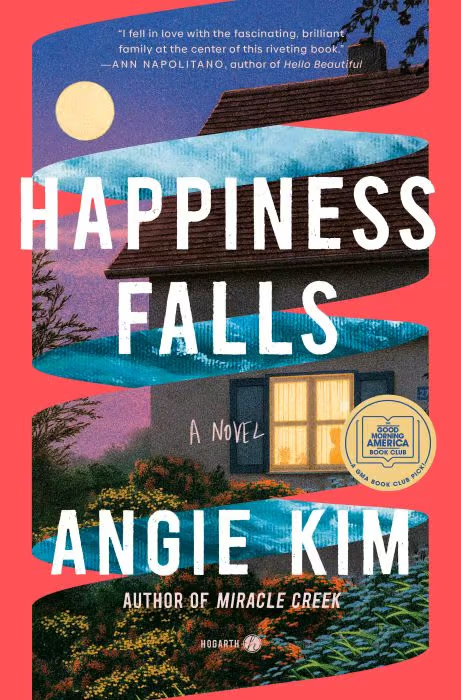
ספר חכם ומעניין שהסופרת מחרבת במו ידיה
הספר תורגם לאחרונה לעברית בשם "מה קרה לאדם פרסון?". אני קראתי אותו באנגלית.
אנג'י קים היא סופרת מוכשרת מאוד. יש לה חדות אבחנה ויכולת יוצאת דופן לתאר משפחה ואת הדינמיקה בתוכה כרשת של מערכות יחסים. היא משלבת את הניואנסים הקוריאניים, את ההבדלים בין התרבויות ואת החיים המשפחתיים באופן שפשוט מאפשר לצלול למקום אחר.
הכרתי אותה לפני כן מסיפור קצר בסדרת Good Intentions, בשם A Planned Occasion. גם שם היא עוקבת אחרי משפחה קוריאנית: הבעל נפטר, והאם נזכרת בפיקניק שהוא רצה לערוך אחרי שבנם מת עוד לפני שנולד. בתוך כמה עמודים קים פורשת רשת שלמה של יחסים, ואינה מאבדת לרגע את המיקוד ואת העלילה. היא יודעת לעשות את זה.
על משפחה הרוסה יש הרבה מה לכתוב. על משפחות מוצלחות? פה כבר צריך כישרון.
מה שצריך לדעת
מדד האושר: אב נעלם, הבן היחיד שהיה איתו אינו מדבר, ומשפחה שלמה מתחילה לפרק מחדש את מה שחשבה שהיא יודעת על עצמה.
מי ייהנה: קוראים שאוהבים דרמות משפחתיות, תעלומות איטיות, שאלות על תקשורת, אושר, אשמה ומה שאנחנו מניחים על האנשים הקרובים אלינו.
המנה הגבוהה: משפחת פרקסון, יוג'ין, האשמה של מיה והפער בין מה שאדם מסוגל להרגיש לבין מה שהסביבה מסוגלת לראות.
נפילת המדד: היומנים, תיאוריות האושר וההרהורים של מיה חוזרים שוב ושוב על רעיונות שהסיפור כבר המחיש היטב, ושוברים את הקצב בדיוק כשהעלילה מתחילה לנוע.
קים חוזרת אל המבנה המשפחתי המסורתי. אבא, אמא, ילדים והיחסים ביניהם. אלה משפחות שבנויות על יסודות יציבים. משפחה עומדת על ארבע רגליים, כמו שולחן יציב מאוד. הן מכירות גם אובדן ושכול, כי יציב אינו בהכרח מושלם.
במרכז הספר עומדת משפחת פרסון. אדם, האב, יוצא לטיול עם בנו יוג'ין ואינו חוזר. יוג'ין חוזר לבדו, פצוע ומבוהל, ואינו יכול להסביר מה קרה. הוא אוטיסט ומתמודד עם תסמונת אנגלמן, אינו מדבר, והמשפחה מתקשה להבין מה בדיוק התרחש.
את הסיפור מספרת מיה, בת המשפחה, צעירה בת עשרים, אנליטית, בעלת יכולת הבחנה בפרטים, ופטפטנית.
בהתחלה סלחתי לה על הפטפטנות.
מיה כמעט אינה עוסקת בעצמה. היא עסוקה במשפחה שלה, במערכות היחסים ובאיזון בין כולם, באושר המשפחתי הקטן שמתקיים גם כשיוג'ין אינו מתקשר. יש הרבה יופי בזווית הראייה הזאת, ובזכותה אפשר לראות את הרשת המשפחתית כולה.
היא גם אכולת רגשות אשם על סימנים שהתעלמה מהם, והאשמה הזאת צובעת כל דבר שהיא מתארת. היא מבחינה בפרטים, אבל לא תמיד מייחסת להם את המשמעות הנכונה.
לאורך הקריאה התלבטתי אם היא מספרת מהימנה. התיאורים שלה מדויקים לפרטי פרטים. הפרשנות שלה מושפעת מאהבה, מאשמה ומהנחות שמעולם לא בדקה.
המשפחה הזאת מעוררת גם שאלה מעניינת מאוד על מהותו של האושר.
מהו אושר במשפחה שבה אחד מבני המשפחה מתמודד עם לקות קשה, זקוק לעזרה מתמדת ושואב חלק ניכר מן המאמצים של כולם? כיצד נמדד האושר של המשפחה כולה? כיצד נמדד האושר של כל אחד מבניה?
האושר הוא מושג חמקמק.
האם אושר הוא לקום בבוקר ולגלות שבעלך עדיין חי ושוכב לידך? האם אושר הוא להצליח להעביר מילה אחת, אחרי שנים שבהן היית כלוא בתוך עצמך? האם אפשר בכלל להשוות בין רגעים כאלה?
החיים של משפחת פרסון מעניקים לשאלות האלה משמעות ממשית. האושר שלהם מתקיים בתוך מציאות תובענית, שבה כל אחד מבני הבית נושא באחריות, בדאגה ובמאמץ. השאלות עולות מתוך הסיפור עצמו, וזה מספיק.
אחד החלקים הקשים בספר עוסק ביחסו של הממסד ליוג'ין. האופן שבו שוטרת מפרשת את התנהגותו, חוסר הרגישות שלה והפעלת הסמכות כלפיו מעוררים זעזוע. הקורא כבר מכיר את יוג'ין בתוך המשפחה, את מקומו ואת הקשרים העמוקים בינו לבין בני הבית. הפער בין שתי נקודות המבט קשה במיוחד.
קים מתארת ברגישות את הפער בין עולמו הפנימי של יוג'ין לבין יכולתו להביע אותו, ואת המחיר של ההנחות שהסביבה מגבשת על סמך התנהגותו.
ואז מגיעים היומנים של האב.
אדם פרסון מפתח תיאוריה על מנת האושר, Happiness Quotient. הוא מנסה להבין כיצד הציפיות שלנו משפיעות על האושר, כיצד אנחנו משווים את מצבנו למצבים אחרים ומה קובע את תחושת הסיפוק שלנו.
הנושא בהחלט ראוי לדיון, במיוחד בתוך הסיפור המשפחתי שקים בנתה.
אבל אלוהים, כמה אפשר לחפור?
קים פשוט לא מפסיקה. עוד תיאוריה, עוד הסבר, עוד הרהור, ובשלב מסוים שני פרקים שלמים מהיומנים של האב. היא חוזרת שוב ושוב לשאלת האושר, מנתחת אותה מכל כיוון אפשרי ומעמיסה על הספר דיונים ארוכים שמנתקים את הקורא מן העלילה. יש לזה הצדקה עלילתית: המשפחה מחפשת ביומנים רמזים, ומיה עצמה מבקשת עוד ועוד דפים. אבל הם גולשים להרצאה.
הקורא מתחיל לקרוא, מתניע, מתחמם, נכנס לעלילה, ואז הופ, עוד פילוסופיה בגרוש, עוד הרהורים של מיה, עוד יומנים.
ושוב צריך להתחיל מחדש.
בשלב הזה נגמרה לי הסבלנות למיה. הזווית שלה נשארה יפה, אבל ההרהורים שלה הצטרפו ליומנים של אביה, והפטפטנות נעשתה בלתי נסבלת. היא ממשיכה לחפור בחשד שהקורא כבר מזמן הבין שאין בו כלום, ובמקום לקדם את העלילה מושכת אותה אחורה, אל שאלה פתורה.
הספר הזה הוא ספר משפחתי, התעלומה שולית לנושא שלו. הוא אמנם ממותג כמותחן, אבל גם ספר שאינו מותחן צריך לתת לסיפור להתקדם, והתעלומה היא המנוע שמניע אותו.
אנחנו באמצע חקירת היעלמות. יש אפשרות לרצח, יש ראיות, יש תמונות, יש חשדות, יש משפחה שנמצאת במצב בלתי אפשרי. בכל פעם שהמתח מתחיל להיבנות, ולפעמים בדיוק כשמגיעה ראיה חדשה, קים עוצרת אותו ומחזירה אותנו לעוד דיון על אושר.
החלקים האלה שברו אותי. בצורה קשה.
היו רגעים שבהם רציתי לצעוק על הסופרת שתפסיק כבר לדבר ותיתן לעלילה להתקדם.
הרי השאלה מהו אושר במשפחה הזאת כבר נמצאת בתוך הסיפור. אדם פרסון מחפש נוסחה, והחיים שסביבו כבר מלאים בתשובות אפשריות. היא נמצאת ברצון של יוג'ין לתקשר עם העולם ובמאמץ של בני משפחתו להבין אותו.
קים יצרה משפחה שמאפשרת לבחון את השאלות האלה באופן מרתק. ואז היא מתעקשת להסביר את כל מה שכבר הצליחה להראות.
ככל שהתקדמתי בספר, מנת האושר שלי הייתה בצלילה חדה, בדיוק כמו ששם הספר מבטיח: Happiness Falls. לקראת הסוף, האושר שלי כבר חרחר על סף מוות ונזקק להחייאה. שום מנת אושר, יחסית או לא יחסית, לא הייתה יכולה להציל אותי מהאומללות שגרם לי מבנה הספר.
וכשסיימתי, כבר לא היה לי כוח לחשוב על הסיום.
אנג'י קים העניקה לי את מנת האושר היחידה מהספר הזה: סיימתי אותו.
וזה מרגיז במיוחד. יש בספר הזה המון דברים מעניינים, שאלות חשובות ורגעים ספרותיים יפים. קים יודעת ליצור דמויות בעלות עומק ולתאר מערכות יחסים בחדות ובאהבה.
אבל מה שהיא עושה לעלילה פשוט מחרב אותה.
וחבל. היה כאן כל כך הרבה מה לאהוב.
Happiness Falls / Angie Kim
A smart and interesting book that the author manages to sabotage herself
The book was recently translated into Hebrew under the title "What Happened to Adam Parson?". I read it in English.
Angie Kim is an extremely talented writer. She has a sharp eye and an unusual ability to portray a family and its internal dynamics as a web of relationships. She incorporates Korean cultural nuances, cultural differences, and ordinary family life in a way that makes it easy to step into another world.
I first encountered her through a short story in the Good Intentions series, "A Planned Occasion". There, too, she follows a Korean family: the husband has died, and the mother remembers a picnic he wanted to arrange after their son died before he was born. Within just a few pages, Kim creates an entire network of relationships without losing focus or plot for a moment. She knows how to do this.
There is plenty to write about a broken family. Writing about a successful one requires more skill.
Kim returns here to the traditional family structure: father, mother, children, and the relationships among them. These are families built on stable foundations. A family stands on four legs, like a very sturdy table. It may still know loss and grief, because stability does not mean perfection.
At the center of the novel is the Parkson family. Adam Parson, the father, goes for a walk with his son Eugene and does not return. Eugene comes home alone, injured and terrified, and cannot explain what happened. He is autistic and also has mosaic Angelman syndrome. He does not speak, and the family struggles to understand what exactly occurred.
The story is narrated by Mia Parkson, the family's twenty-year-old daughter. She is analytical, observant, and very talkative.
At first, I forgave the talking.
Mia rarely focuses on herself. She is preoccupied with her family, the relationships among them and the delicate balance that allows their small domestic happiness to exist even when Eugene cannot communicate in conventional ways. There is real beauty in this perspective, because through Mia we can see the entire family network.
She is also consumed by guilt over signs she ignored, and that guilt colors everything she describes. She notices details, but does not always assign them the correct meaning.
Throughout the novel, I kept wondering whether she was a reliable narrator. Her descriptions are extraordinarily precise. Her interpretations are shaped by love, guilt, and assumptions she has never tested.
This family also raises a genuinely interesting question about the nature of happiness.
What does happiness mean in a family where one member lives with a severe disability, requires constant assistance, and absorbs a large share of everyone's effort? How do we measure the happiness of the family as a whole? How do we measure the happiness of each individual within it?
Happiness is an elusive concept.
Is happiness waking up in the morning and discovering that your husband is still alive beside you? Is it managing to communicate a single word after years of being trapped inside yourself? Can moments like these even be compared?
The life of the Parkson family gives these questions real weight. Their happiness exists within a demanding reality in which every family member carries responsibility, anxiety, and effort. The questions emerge naturally from the story itself.
That is enough.
One of the most difficult parts of the novel concerns the way institutions respond to Eugene. The way a police officer interprets his behavior, her lack of sensitivity and the authority she exercises over him are deeply disturbing. By this point, the reader already knows Eugene within his family, understands his place in it, and has seen the depth of his relationships with the people around him. The gap between these two ways of seeing him is particularly painful.
Kim writes sensitively about the distance between Eugene's inner world and his ability to express it, and the consequences of the assumptions others make based on his behavior.
And then we reach the father's journals.
Adam Parson develops a theory of a Happiness Quotient. He tries to understand how expectations influence happiness, how we compare our present situation with alternative possibilities, and what ultimately determines our sense of satisfaction.
It is certainly a subject worth exploring, particularly within the family story Kim has constructed.
But good God, how much can one person talk?
Kim simply does not stop. Another theory, another explanation, another reflection, and eventually two entire chapters from the father's journals. She returns again and again to the question of happiness, analyzes it from every possible angle, and loads the novel with extended discussions that pull the reader out of the story.
There is a plot justification for this. The family is searching the journals for clues, and Mia herself keeps asking for more pages.
But it turns into a lecture.
The reader begins to move forward, warms up, enters the plot, and then, suddenly, more bargain-bin philosophy, more of Mia's reflections, more journals.
And once again we have to start the engine.
By this point I had lost my patience with Mia. Her perspective remained interesting, but her reflections merged with her father's journals, and her talkativeness became unbearable. She keeps digging into a suspicion the reader has long since understood leads nowhere, and instead of pushing the story forward, she drags it backward toward a question already resolved.
This is fundamentally a family novel. The mystery is secondary to its real subject. It may be marketed as suspense, but even a novel that isn't a thriller has to let its story move, and the mystery is the engine that drives this one.
We are in the middle of an investigation into a disappearance. There is a possible murder, evidence, photographs, suspicions, and a family trapped in an impossible situation. Every time the tension begins to build, sometimes at the exact moment a new piece of evidence appears, Kim stops everything and sends us back into another discussion of happiness.
Those sections broke me.
Completely.
There were moments when I wanted to shout at the author to stop talking and let the plot move.
The question of what happiness means in this family is already embedded in the story. Adam Parsons searches for a formula, while the life around him is already full of possible answers. It is there in Eugene's desire to communicate with the world and in his family's effort to understand him.
Kim created a family through which these questions could be examined in fascinating ways.
Then she insists on explaining everything she has already shown.
As I moved through the novel, my own Happiness Quotient began to drop sharply, exactly as the title promises: Happiness Falls. By the end, my happiness was wheezing on the verge of death and required resuscitation. No Happiness Quotient, relative or otherwise, could have rescued me from the misery produced by the structure of this book.
When I finally finished, I no longer had the energy to think about the ending.
Angie Kim gave me the one dose of happiness this book still had left to offer:
I finished it.
And that is what makes the whole thing so irritating.
There is so much interesting here. The novel raises important questions and contains genuinely beautiful literary moments. Kim knows how to create characters with depth and how to describe relationships with sharpness and affection.
But what she does to the plot simply destroys it.
And that is a shame.
There was so much here to love.
לגלות עוד מהאתר Sivi's Books
Subscribe to get the latest posts sent to your email.