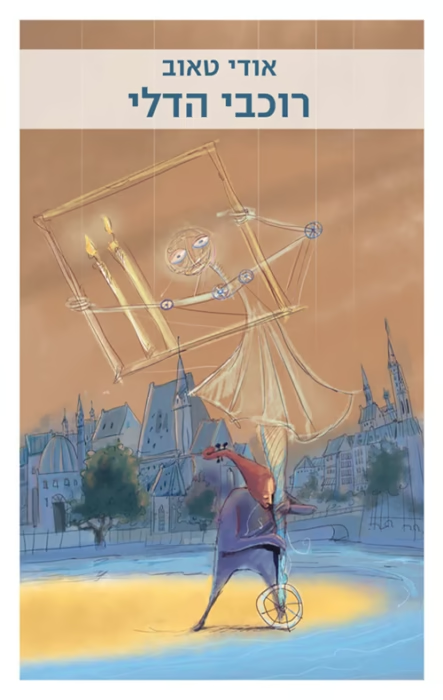
מצטערת, זה לא הספר. כנראה זו אני. הכתיבה של אודי טאוב כל כך מורכבת ועמוסה בדימויים מעולמות קבליים ואחרים, שאני פשוט לא נהנית מהקריאה בספרים שלו. ובגילי המתקדם אני קוראת בעיקר כדי ליהנות.
דווקא לספר ישנו פוטנציאל אדיר. הגיבור עופר, עובר לגור עם סבו שסובל מהתדרדרות קוגנטיבית, על סף שטיון כדי להוכיח לאביו ודודו כי הסב ראוי להישאר בביתו ולא להיות מאושפז בבית אבות סיעודי.
הסב שמואל ברמן, היה בעל תאטרון בובות בגרמניה של לפני המלחמה. הוא ניצל מהנאצים ומהשואה לאחר שראה את חברתו נרצחת מול עיניו בשל שמה בלבד והוא עולה לפלשתינה כאן הוא פוגש את שרה, שתהיה אישתו, פעילה כריזמטית בהיסתדרות.
הספר נע בין עבר להווה ומלווה בסיפורים חצי פנטסטיים על דמויות שונות חלקן בובות שהמציא הסב.
מה שצריך לדעת
צעיר תל אביבי עובר לגור עם סבו, אמן תיאטרון בובות שזיכרונו הולך ונשחק, ומנסה למנוע את העברתו לבית אבות.
לקוראים שאוהבים ספרות עברית צפופה, היסטוריה יהודית, פנטזיה, סמליות ומעברים בין מציאות לזיכרון.
סיפורו של הסב בגרמניה ובארץ ישראל, קטעי היומן של שרה והקשר בין הסב לנכד.
ככל שהספר גולש לפנטזיה, פילוסופיה וסמליות, העומס גדל והסיפור האנושי שהחזיק אותי נדחק הצדה.
בחלק שמחבר את הקורא לעבר של הסב נהנתי מהקריאה. תיאור חיי ועשיר של חיי הסב בגרמניה ואחר כך בפלשתינה וגם קטעי יומן של הסבתא שרה, המתעדת את חייה עם הסב. אבל, ככל שהספר מתקדם, ומתרחק למחוזות פנטסטיים כך סבלתי יותר וכך הסופר איבד את הקשב שלי.
מעבר לגלישה לעולמות פנטסטיים הוא גולש גם לעולמות פילוסופיים מה שמייצר עומס שאליו מצטרפות הקפיצות בעלילה בין הווה לעבר למחוזות הדמיון ההזויים.
חבל כי בבסיס באמת יכול להיות כאן סיפור טוב ומרגש על יחסי סב, נכד.
סידרת רוח צד #
דף הסידרה –
Rochvei Hadli / Udi Taub
I'm sorry, but this book isn't for me. Perhaps the problem is simply me. Udi Taub's writing is so complex and so densely packed with imagery drawn from Kabbalistic and other worlds that I simply do not enjoy reading his books. At my advanced age, I mostly read in order to enjoy myself.
The novel itself actually has enormous potential. Its protagonist, Ofer, moves in with his grandfather, who is suffering from cognitive decline and is approaching dementia, in order to prove to his father and uncle that the old man is still capable of remaining in his own home rather than being placed in a nursing facility.
His grandfather, Shmuel Berman, once owned a puppet theater in prewar Germany. He survived the Nazis and the Holocaust after witnessing his girlfriend being murdered in front of him because of her name alone. He later immigrated to Palestine, where he met Sarah, who would become his wife, a charismatic activist in the Histadrut.
The novel moves between past and present and includes semi-fantastical stories about various characters, some of them puppets invented by the grandfather.
I enjoyed the sections that connect the reader with the grandfather's past. The novel offers vivid, rich descriptions of his life in Germany and later in Palestine, along with excerpts from Sarah's diary documenting her life with him. But as the book progressed and moved further into fantastical territory, I found it increasingly difficult to read, until the author eventually lost my attention.
Alongside its movement into fantasy, the novel also enters philosophical territory. This creates an additional layer of density, compounded by constant shifts between present, past and increasingly bizarre realms of imagination.
It is a pity, because at its core there really could have been a moving and compelling story about the relationship between a grandfather and his grandson.
לגלות עוד מהאתר Sivi's Books
Subscribe to get the latest posts sent to your email.