Please scroll down for an English review.
Tilt מאת Emma Pattee התחיל חזק: חד, מלחיץ, גופני מאוד, כמעט בלתי אפשרי להניח בצד. אישה בחודש התשיעי להריונה עומדת באיקאה בפורטלנד, מנסה לקנות ציוד לתינוקת, ואז רעידת אדמה מאסיבית מכה בעיר. אין לה טלפון. אין לה כסף. אין לה רכב. אין לה דרך ליצור קשר עם בעלה. ברגעים הראשונים זה עובד היטב: המתח, הגוף, הפחד, והתחושה שהאסון החיצוני פוגש אישה שכבר הייתה מעורערת מבפנים. כל אלה גרמו לי להמשיך להפוך דפים.
בחלקו הראשון, פאטי מפרקת היטב את רעיון המוכנות לאסון. אנני חשבה על מצבי חירום. היא גדלה בתודעה אמריקאית שעברה דרך 9/11, עם ההבנה שהשגרה יכולה להיקרע ברגע אחד. אבל התסריט שהיה לה בראש היה אחר לגמרי: היא בבית, במיטה, עם בעלה. הם מתעוררים, בורחים, פועלים. היא לא דמיינה את עצמה בחודש תשיעי, באמצע איקאה, בלי טלפון, בלי כסף ובלי רכב, כשהעיר מתפרקת סביבה.
מוכנות לאסון מתגלה כאן לא רק כהיערכות מעשית, אלא כפנטזיית שליטה אנושית. אדם מתכונן לאסון שהוא מסוגל לדמיין. המציאות לא קיבלה את המזכר.
אנני יוצאת למסע למצוא את בעלה. במקביל למסע הרגלי שלה דרך פורטלנד ההרוסה, הספר חוזר אל זיכרונותיה: אל אם שמנהלת את הזיכרון המשפחתי, אל אב שאינו ידוע באמת, ואל נישואים שנולדו בין אהבה, תלות, ביטוח רפואי וטיפולי שורש. באחד הזיכרונות החזקים בספר, בעלה של אנני זקוק לשני טיפולי שורש יקרים ואין לו ביטוח רפואי. אמה של אנני מציעה, כמעט באגביות, שהם פשוט יתחתנו. וכך האביר על הסוס הלבן דהר אל רופא השיניים.
זה מצחיק, עד שזה מפסיק להצחיק. בתוך האבסורד הזה מסתתרת אמת חברתית חמוצה למדי: באמריקה, אפילו רומנטיקה עוברת לפעמים דרך פוליסת בריאות.
מה שצריך לדעת
רומן ביכורים על אנני, אישה בחודש התשיעי להריונה, שנקלעת לרעידת אדמה בזמן ביקור באיקאה בפורטלנד ויוצאת למסע רגלי דרך העיר ההרוסה כדי למצוא את בעלה.
לקוראים שאוהבים רומנים על אסונות טבע, הישרדות, הריון, אימהות, גוף, נישואים במשבר ודמויות שנאלצות לפגוש את עצמן דווקא כשהעולם מתפרק.
הפתיחה חזקה מאוד: גופנית, מלחיצה ומדויקת. פאטי מצליחה לחבר בין רעידת האדמה החיצונית לבין החרדה הפנימית של אנני, וגם לגעת יפה בפנטזיית השליטה שלנו מול אסון.
סביב אמצע הספר מתחילה חזרתיות קשה. אותם פחדים, כאבים, זיכרונות ומפגשים חוזרים שוב ושוב, והמסע נעשה פחות מעמיק ויותר מתיש.
ההליכה דרך העיר ההרוסה היא מסלול הישרדותי בתוך תודעה עמוסה מדי. אנני צמאה ורעבה, ובעיקר מפחדת. היא פוגשת זרים, וחלקם מפתיעים אותה בטוב לבם. לרגעים, הספר מצליח לומר משהו יפה על כך שגם בתוך אסון מוחלט, החברה אינה מתפרקת מיד לברבריות. אנשים עדיין עוזרים ורואים זה את זה.
אלא שבערך סביב עמוד 160 הספר נשבר. או אולי אני נשברתי, גם זו אפשרות סבירה. מאותו רגע הוא מתחיל לחזור על עצמו בלי רחמים. כן, אימהות מפחידה. כן, אף אחת לא באמת מוכנה. כן, הנישואים שלה לא מושלמים. כן, היא צמאה, רעבה, כואבת, לא מרגישה את התינוקת, פוגשת זרים, נבהלת, נזכרת, סובלת, ואז סובלת עוד קצת. הבנתי. באמת הבנתי.
במקום שהספר יגיע לשיא רגשי, הוא הופך למסלול מכשולים: גשר חסום, צירים, חבורת נערים אלימה, סכין ויער. על הנייר, המסע האישי שלה אמור להיות עוצמתי. בפועל, הרגשתי שיש כאן עוד ניסיון לסחוט ממני תגובה אחרי שכבר סחטו אותי מכל הכיוונים.
המטאפורה של אנני שיוצאת מן העיר, מן החברה, מן הנישואים, מן התלות ומן המבנים שעיצבו את חייה או כלאו אותה, ואז יולדת לבדה, שקופה מדי. הסמל לא מהדהד, הוא מנפנף בידיים.
חבל, כי ההתחלה של Tilt מצביעה על הפוטנציאל הגדול של פאטי, וזה בכל זאת ספר הביכורים שלה. עם עריכה אכזרית יותר, זה באמת היה יכול להיות ספר מצוין. כמו שהוא, במקום להעמיק את השבר, הוא דורך עליו שוב ושוב, עד שגם רעידת האדמה מתחילה להרגיש סטטית. בשלב מסוים כבר לא הרגשתי שאני קוראת על אישה ששורדת רעידת אדמה. הרגשתי שאני שורדת את הספר.
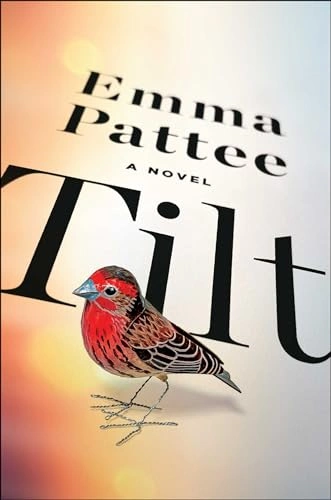
Tilt / Emma Pattee
Tilt by Emma Pattee begins powerfully: sharp, tense, deeply physical, and almost impossible to put down. A woman in the ninth month of pregnancy is standing in an IKEA in Portland, trying to buy things for her baby, when a massive earthquake strikes the city. She has no phone. No money. No car. No way to contact her husband. In those first moments, the novel works very well: the tension, the body, the fear, and the sense that the external disaster meets a woman already unsettled inside. All of this made me keep turning the pages.
In the first part of the book, Pattee does a strong job of dismantling the idea of disaster preparedness. Annie has thought about emergencies. She grew up inside an American consciousness shaped by 9/11, with the understanding that ordinary life can be torn apart in a single moment. But the scenario in her mind was entirely different: she would be at home, in bed, with her husband. They would wake up, escape, and act. She did not imagine herself nine months pregnant, in the middle of IKEA, without a phone, without money, and without a car, while the city collapsed around her.
Disaster preparedness is revealed here not only as practical planning, but as a human fantasy of control. A person prepares for the disaster they can imagine. Reality did not get the memo.
Annie sets out to find her husband. Alongside her walk through destroyed Portland, the novel returns to her memories: a mother who controls the family narrative, a father who is not truly known, and a marriage born out of love, dependence, health insurance and root canals.
In one of the strongest memories in the book, Annie’s husband needs two expensive root canals and has no health insurance. Annie’s mother suggests, almost casually, that they should simply get married. And so the knight on the white horse galloped straight to the dentist.
It is funny until it stops being funny. Inside this absurdity lies a rather sour social truth: in America, even romance sometimes passes through a health insurance policy.
The walk through the ruined city becomes a survival route through an overloaded mind. Annie is thirsty and hungry, and above all, afraid. She meets strangers, some of whom surprise her with their kindness. At times, the novel manages to say something beautiful about the fact that even inside total disaster, society does not immediately collapse into barbarism. People still help. People still see one another.
But somewhere around page 160, the book breaks. Or perhaps I broke. That is also a reasonable possibility.
From that point on, it repeats itself without mercy. Yes, motherhood is frightening. Yes, no one is ever really prepared. Yes, her marriage is not perfect. Yes, she is thirsty, hungry, in pain, unable to feel the baby move, meeting strangers, frightened, remembering, suffering, and then suffering some more. I understood.
I really did.
Instead of reaching an emotional peak, the novel becomes an obstacle course: a blocked bridge, contractions, a violent group of teenagers, a knife and a forest. On paper, her personal journey should be powerful. In practice, I felt that the book was trying to extract yet another reaction from me after it had already squeezed me from every direction.
The metaphor of Annie leaving the city, society, marriage, dependence, and the structures that shaped or trapped her life, and then giving birth alone, is too transparent. The symbol does not resonate. It waves its arms in the air.
That is a shame, because the beginning of Tilt points to Pattee’s considerable potential, and this is, after all, her debut novel. With harsher editing, it really could have been an excellent book. As it is, instead of deepening the rupture, the novel keeps stepping on it again and again, until even the earthquake begins to feel static. At a certain point, I no longer felt that I was reading about a woman surviving an earthquake. I felt that I was surviving the book.
לגלות עוד מהאתר Sivi's Books
Subscribe to get the latest posts sent to your email.