
Ricochet של מייק מקינטייר מקרטע בשליש הראשון שלו, Violence. הוא נראה כמו עוד סקירה כרונולוגית עמוסה לעייפה. מקינטייר מתאר היסטוריה של אלימות ונשק בלי לומר לקורא מה התזה שלו. שליש מהספר עובר בקריאת רצף עובדות שאין לך מושג לשם מה הן נאספות.
הספר מתחיל באמת רק בחלק השני, Power. כאן מקינטייר מפסיק להרצות על ההיסטוריה ומתחיל לנתח את המבנה: הפיכתו של ה־NRA ממועדון קליעה וציד למפלצת פוליטית שמטילה אימה על הקונגרס.
מה שצריך לדעת
תחקיר מאת Mike McIntire על האופן שבו כסף, פוליטיקה, אידאולוגיה, ה־NRA ותעשיית הנשק עיצבו את תרבות הנשק בארצות הברית ואת הפרשנות לזכות לשאת נשק.
לקוראים שמתעניינים בפוליטיקה אמריקאית, תרבות נשק, ה־NRA, התיקון השני, לובינג, משפט חוקתי ותחקירים על הדרך שבה כסף וכוח משנים מדיניות ציבורית.
החלקים Power ו־Freedom חזקים במיוחד. מקינטייר מחבר בין כסף, פחד פוליטי, שינוי משפטי, שיווק והנדסת תודעה ומראה כיצד מערכת שלמה למדה להציג נשק כחירות כמעט מוחלטת.
השליש הראשון עמוס וכרונולוגי מדי, והתזה אינה ברורה מספיק בשלב הזה. גם כשהספר מגיע לפתרונות, הם מרגישים חלשים לעומת עוצמת המנגנון שהוא עצמו מתאר.
הדיוקן של ג׳ון דינגל, חבר קונגרס דמוקרטי וחבר הנהלת ה־NRA לשעבר, ממחיש היטב את המלכודת. עשרות שנים אחרי שסייע לבנות את כוחו של הארגון, הוא כבר מזהיר את מפלגתו לא ללכת רחוק מדי בניסיון להגביל נשק. הכוח משתק את המערכת.
הכוח הזה נשען על כסף אבל גם על פחד פוליטי ומשפטי. מקינטייר מתאר את המערכה הארוכה ששינתה את פרשנות התיקון השני לחוקה והפכה אותו כמעט לפרה קדושה.
השיא המגוחך והמקומם של המהלך הזה נמצא בסיפורו של פרופ׳ ויליאם אינגליש. מחקר מפוקפק שלא עבר ביקורת עמיתים, וטען ל־1.67 מיליון מקרי הגנה עצמית בנשק בשנה, צוטט בעתירות, בפסקי דין ואפילו בבית המשפט העליון. כשהחלו לעלות שאלות על המתודולוגיה והמימון, אינגליש התחמק, אחר כך התלונן על רדיפה אידאולוגית, ועד שבית משפט כבר הודיע שהוא לא מוכן להסתמך על המחקר, הוא הספיק לחלחל עמוק.
החלק השלישי, Freedom, מציג את הצד המבעית ביותר של המערכת.
הוא מתאר את הנדסת התודעה.
ה־AR-15 נמכר לציבור דרך דימוי של כוח, גבריות, עצמאות והגנה על המשפחה, בעוד שכלפי הרגולטורים הוא מוצג ככלי אזרחי תמים. מקינטייר חושף מסמכים פנימיים של ה־NRA ותעשיית הנשק שמתארים תוכניות להכניס ירי לבתי ספר דרך חינוך גופני, ביולוגיה ותוכניות נוער, כדי לייצר דור חדש של בעלי נשק, חברי ארגון ומצביעים.
התוצאה היא חברה שאיבדה חלק מהמצפן המוסרי שלה. זו החברה שבה ילדה בת תשע יורה בעוזי במטווח והורגת את המדריך שלה, והדיון מתמקד באופן שבו הוא היה צריך להחזיק את הנשק במקום בעצם העובדה שנתנו תת מקלע לילדה.
זו החברה שבה המילה Freedom נשחקה עד דק. החירות של אדם להחזיק נשק מלחמה מקבלת משקל גדול יותר מהחירות של ילדים להגיע לכיתה בלי להפוך למטרה.
מקינטייר פחות משכנע כשהוא מגיע לפתרונות. הוא מדבר על תביעות אזרחיות, שינוי שיח, בניית תנועה ציבורית ואסטרטגיה משפטית ארוכת טווח. כל זה חשוב, אבל בלי התערבות ממשית של המדינה קשה לראות איך משהו משתנה באמת. בלי חקיקה, אכיפה, פיקוח והגבלות, האחריות לביטחון נשארת אצל האזרח החמוש.
הטענה הקשה ביותר שעולה מ־Ricochet היא שאי אפשר לפטור את הציבור מאחריות. האמריקאים אינם רק קורבנות של לובי ציני. הם גם אלה שממשיכים לבחור, שוב ושוב, בפוליטיקאים שמעדיפים את הנשק ואת הכוח שסביבו על פני חיי אדם.
אחרי עשרות שנים של ירי, טבח, ילדים שנרצחו, מחקרים והבטחות, כבר אי אפשר לקרוא לזה תקלה.
זו בחירה שחוזרת על עצמה.
וזה אולי הדבר הכי מפחיד בספר.
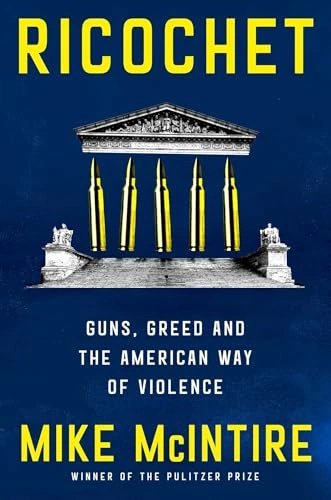
Ricochet / Mike McIntire
Ricochet by Mike McIntire struggles through its first third, Violence. It initially feels like yet another overloaded chronological survey. McIntire moves through the history of violence and firearms without making it clear what his central argument is. A third of the book passes in a stream of facts, and the reader never really knows why they are being collected.
The book truly begins in its second section, Power.
Here McIntire stops lecturing about history and starts analyzing the structure: the transformation of the NRA from a shooting and hunting organization into a political monster capable of terrifying Congress.
The portrait of John Dingell, the Democratic congressman and former NRA board member, illustrates the trap particularly well. Decades after helping to build the organization’s power, he is warning his own party not to go too far in trying to restrict guns.
Power has paralyzed the system.
That power rests on money, but also on political and legal fear. McIntire describes the long campaign that transformed the interpretation of the Second Amendment and elevated it almost to the status of a sacred object.
One of the most absurd and infuriating examples is the story of Professor William English. A questionable study that had not undergone peer review claimed that guns were used in self-defense 1.67 million times a year. The figure was cited in legal briefs, court rulings and even arguments before the Supreme Court. When questions arose about its methodology and funding, English avoided them, later complained of ideological persecution, and by the time a court finally indicated it was unwilling to rely on the research, the claim had already traveled a long way.
The third section, Freedom, presents the system's most disturbing side.
It describes the engineering of consciousness.
The AR-15 is marketed to the public through images of power, masculinity, independence and protection of the family, while being presented to regulators as an ordinary civilian weapon. McIntire draws on internal documents from the NRA and the firearms industry describing plans to introduce shooting into schools through physical education, biology classes and youth programs, with the aim of creating a new generation of gun owners, organization members and voters.
The result is a society that has lost part of its moral compass.
It is a society in which a nine-year-old girl fires a Uzi at a shooting range and kills her instructor, and the discussion focuses on how he should have held the weapon rather than on the fact that a child was handed a submachine gun in the first place.
It is a society in which the word Freedom has been worn almost empty.
The freedom of one person to own a weapon designed for warfare is given greater weight than the freedom of children to enter a classroom without becoming targets.
McIntire is less convincing when he turns to solutions.
He discusses civil lawsuits, changing the public conversation, building a social movement and pursuing a long-term legal strategy. All of these things matter, but without meaningful state intervention it is difficult to see how the system changes in any fundamental way.
Without legislation, enforcement, oversight and restrictions, responsibility for safety ultimately remains with the armed citizen.
The hardest argument to emerge from Ricochet is that the public cannot be absolved of responsibility.
Americans are not merely victims of a cynical lobby. They are also the people who continue, again and again, to elect politicians who place guns and the power surrounding them above human life.
After decades of shootings, massacres, murdered children, studies and promises, it is no longer possible to call this a malfunction.
It is a choice that keeps being made.
And that may be the most frightening thing in the book.
לגלות עוד מהאתר Sivi's Books
Subscribe to get the latest posts sent to your email.
0 מחשבות על “Ricochet / Mike McIntire”
בהחלט נשמע מפחיד 🙁
תודה על הסקירה