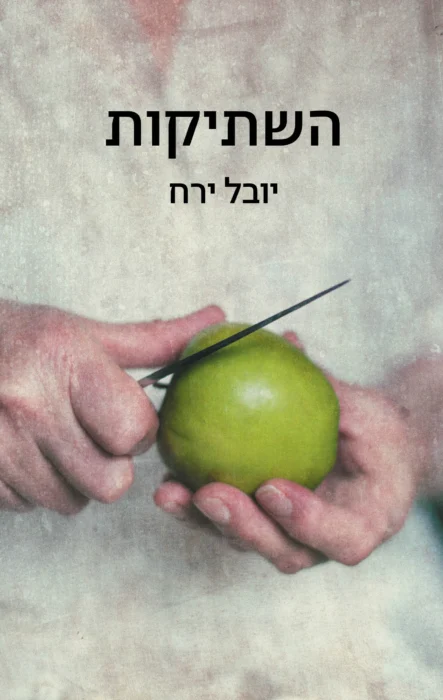
זהו סיפורה של מניה, סבתו שלו המחבר. שנולדה גדלה ונישאה בפולין למשפחה יהודית. היא היתה תופרת מוכשרת שחייה חיים טובים עם בעלה החייט והקניין, עד שהגיע הכיבוש הנאצי וטרף את קלפי חייה.
מה שצריך לדעת
סיפור חייה של מניה, סבתו של המחבר, שנולדה וחיה בפולין, שרדה את הכיבוש הנאצי, הגטו והמחנות, ולאחר המלחמה ניסתה לבנות את חייה מחדש. יובל ירח משחזר את סיפורה באמצעות מסמכים, עיתונות, עדויות, חומר היסטורי ודמיון.
לקוראים שמתעניינים בספרות שואה המבוססת על סיפור משפחתי, בשחזור היסטורי מפורט ובספרים שנעים בין ביוגרפיה אישית לתיעוד רחב של תקופה.
המבנה הכרונולוגי האינטנסיבי עובד היטב בחלקי המלחמה. המעקב כמעט יום אחר יום אחר ההוראות, האקציות, העקירות והמחנות יוצר תחושת חרדה מצטברת, ורגע השחרור הוא שיא חזק ומרגש מאוד.
זהו קולו של המחבר ולא קולה של מניה, ולעיתים הפירוט והחזרות משתלטים על הסיפור. בשליש האחרון, העוסק בחיים שלאחר המלחמה, המבנה שעבד היטב קודם כבר פחות מתאים והספר מאבד מעוצמתו.
מניה לא סיפרה את סיפורה לבני משפחה, למעשה היא חרדה מעצם אפשרות הידיעה. אבל הסופר מתחכה אחר קורותיה ומשחזרם ברמה חודשית, שבועית ואף יומית באמצעות מכתבים, קטעי עיתונות, קטעי פרסומים וגם קטעי היסטוריה מתועדים מאותה התקופה כולל שיחות עם מכרים וגם דמיון. כתוצאה מכך המבנה הספר נע על הציר שבין האישי לציבורי והוא ראליסטי ביותר, גם כאשר ברור שהסופר היה צריך להשלים את המידע מדמיונו. בגלל שהסופר עוקב אחר קורות היהודים, מניה ובני משפחתה בפרט ברמה כמעט יומית, יש למבנה הזה גם חיסרון שנובע מהעובדה שזה אינו קולה של מניה, זה הקול של הסופר והסיגנון שלו, וזה ניכר בעיקר במקומות שבהם הוא בוחר להיכנס לפרטי פרטים (בייחוד כשהוא מביא פרסומים מהעיתונות הזמנית, או הוראות של נציג השלטון הנאצי באיזור) ואני חושדת שמניה היתה הרבה יותר אלגנטית ודקת אמירה בחלקים מסויימים שנגעו לחיים הפרטיים של המשפחה.
בנוסף, קיימת בעיה מהותית של חזרות מיותרות על תכנים. אולי החזרתיות משרתת את העלילה במרכז הספר כאשר מניה במחנות הכפיה והריכוז, אבל לא בחלק האחרון שלו.
למעשה את הספר הזה ניתן לחלק לשתי חטיבות מרכזיות: החטיבה הראשונה, בערך 2/3 מהספר, כוללת תיאור של חיי היהודים בפולין טרום מלחמת העולם ה 2, תיאור של שנות המלחמה הראשונות, תיאור של החיים בגטו ובמחנות הריכוז עד השיחרור. החטיבה השניה של הספר, כ 1/3 כוללת את החזרה לחיים אחרי תום המלחמה, העליה לארץ עד מותה.
בחלק המרכזי של הספר התיאור מזעזע. כמו שכתבתי זהו תיאור כרונולוגי אינטנסיבי של חיי היהודים תחת השילטון הנאצי בפולין. התיאורים ממחנות הריכוז וההשמדה גזלו לי את הנשימה. תיאורים מזוויעים אף על פי שאין בהם התעללות פיזית מפורשת. קראתי הרבה ספרי שואה אבל מבנה הספר, שירת היטב את העלילה והצליח להראות כיצד הנאצים דחפו את היהודים אט אט להיות תתי אדם, חיות. העובדה שלעיתים הסופר בוחר לתאר ימים רצופים מדגישה את החרדה, הלחץ והאימה שהיהודים חשו לנוכח מבול ההוראות וההנחיות שקיבלו.
הוא מתאר בכישרון רב את מעגלי האקציות באוכלוסיה, עד שכמעט לא נותרה אוכלוסיה בגטו קרקוב ואת השילוח למחנות הריכוז ולבסוף למחנות ההשמדה.
החלק של השיחרור היה מרגש עד דמעות.
לצערי מבנה וסגנון הכתיבה לא התאימו בשליש האחרון של הספר, שמתאר את הקשיים והמאבקים של הניצולים למצוא את צלם האדם מחדש ולמצוא לעצמם מקום. אולי הוא גם פחות מעניין אחרי האינטנסיביות שמלווה את החיים של הגיבורה מאז הכיבוש הנאצי ועד שיחרורו. תקופה המלווה בעקירות פיזיות חוזרות ונשנות, באיסורים שונים ומשונים, בקריעת מרקם החיים והריסתו עד בלי הכר.
החלק שליש האחרון מבחינתי הוא טעות של העורך שלא השכיל לתפור את הקצוות באופן שיותיר את הספר בשיא שלו. ורגע השיחרור הוא אכן שיא יפיפה ומרגש.
The Silences / Yuval Yerech
This is the story of Manya, the author’s grandmother, who was born, raised, and married in Poland into a Jewish family. She was a talented seamstress who lived a good life with her husband, a tailor and buyer, until the Nazi occupation arrived and overturned everything.
Manya did not tell her family her story. In fact, she was deeply anxious about the possibility of them knowing. The author, however, traces her life and reconstructs it on a monthly, weekly, and sometimes even daily basis through letters, newspaper excerpts, contemporary publications, documented historical material, conversations with people who knew her, and also imagination.
As a result, the book moves constantly between the personal and the public, and feels highly realistic even when it is clear that the author had to fill in parts of the story himself.
Because he follows the fate of the Jews in general, and Manya and her family in particular, on an almost daily basis, the structure also has a weakness. This is not Manya’s voice. It is the author’s voice and style, and it becomes especially noticeable when he goes into great detail, particularly when quoting contemporary newspapers or orders issued by Nazi officials in the area.
I suspect that Manya herself would have been much more elegant and restrained in some of the passages concerning the family’s private life.
There is also a significant problem with unnecessary repetition. Perhaps the repetition serves the narrative in the middle of the book, when Manya is in forced labor and concentration camps, but it does not work nearly as well in the final section.
The book can essentially be divided into two main parts.
The first, roughly two-thirds of the book, describes Jewish life in Poland before the Second World War, the first years of the war, life in the ghetto and the concentration camps, and finally liberation.
The second, roughly the final third, follows the return to life after the war, Manya’s immigration to Israel and the years leading up to her death.
The central part of the book is devastating.
As I wrote, this is an intense chronological account of Jewish life under Nazi rule in Poland. The descriptions of the concentration and extermination camps took my breath away. They are horrifying even though the book does not rely on explicit descriptions of physical abuse.
I have read many Holocaust books, but the structure here serves the story extremely well and succeeds in showing how the Nazis gradually pushed Jews into a condition in which they were treated as less than human, as animals.
The fact that the author sometimes describes consecutive days intensifies the anxiety, pressure, and terror caused by the constant flood of orders and restrictions.
He describes with great skill the repeated waves of roundups, until almost no Jewish population remains in the Kraków ghetto, followed by the deportations to concentration camps and ultimately to extermination camps.
The section dealing with liberation moved me to tears.
Unfortunately, the structure and style that worked so well earlier did not suit the final third of the book, which describes survivors' struggles to regain their humanity and find a place for themselves.
Perhaps this section also feels less compelling after the intensity that accompanies Manya’s life from the Nazi occupation until liberation: a period marked by repeated physical displacement, endless prohibitions, and the gradual destruction of the fabric of ordinary life beyond recognition.
For me, the final third is an editorial mistake. The book needed to gather its threads in a way that would let it stay at its emotional peak.
And the moment of liberation is a beautiful, deeply moving peak.
לגלות עוד מהאתר Sivi's Books
Subscribe to get the latest posts sent to your email.