Please scroll down for an English review.
בז וניאלה מאת מרגרט אטווד הוא רומן דיסטופי־פוסט־אפוקליפטי על עולם שבו האנושות כמעט נמחקה בעקבות יוהרה מדעית, קפיטליזם ביוטכנולוגי ואמונה מסוכנת בכך שאפשר לתכנן מחדש את האדם בלי לשלם מחיר. דרך דמותו של איש השלג, השריד האנושי האחרון כמעט, אטווד בונה סיפור על חורבן, זיכרון, מיתוס, גוף, טבע והגבול הדק מאוד בין קדמה לבין השמדה עצמית.
מה שצריך לדעת
רומן דיסטופי־פוסט־אפוקליפטי על איש השלג, מן השרידים האחרונים של האנושות, שמנסה להבין כיצד העולם הגיע אל חורבנו דרך סיפורם של ג׳ימי, בז וניאלה.
לקוראים שאוהבים דיסטופיות חכמות, מרגרט אטווד, ביוטכנולוגיה, שאלות מוסריות על מדע, מיתוסים של גן עדן וספרים שמראים עתיד שנראה מטריד מדי כמו ההווה.
יוהרה אנושית מול טבע, קפיטליזם שממסחר כל דבר חי, והניסיון לברוא אדם חדש כאילו העולם הוא מעבדה והאנושות היא רק ניסוי שעוד אפשר לשפר.
הדמויות כתובות לעיתים יותר כאבטיפוסים מאשר כבני אדם שקל להזדהות איתם, אבל הרעיונות, העולם והחזון הדיסטופי של אטווד עוצמתיים מאוד.
דמיינו לעצמכם שיום אחד אתם מוצאים את עצמכם כמעט לבד בעולם. עולם שכל כך השתנה עד כדי שלזמן בו אין משמעות, הוא קפא. דמיינו לעצמכם שהמים שאתם שותים והאוכל שאותו אתם אוכלים הם שאריות מהחורבן הגדול שפקד את העולם ומה שנותר לכם הוא לספור את ימיכם על פני האדמה.
זה העולם של איש השלג. איש השלג הוא השריד האחרון מזן בני האדם. כמו כל אדם במצבי קטסטרופה הוא מרגיש חובה לספר ולתעד את קורותיו, איך העולם והוא הגיעו למצב שבו הם נמצאים.
וכך אטווד מנצלת את ההזדמנות לפרוס בפני הקורא את חזון העתיד שלה. העולם של איש השלג דומה ולא דומה לעולם שלנו. היא מתעתעת בקורא שמרגיש כל הזמן שהוא מכיר את העולם שהיא מדברת עליו. אטווד מנווטת אל נקודת היעד האחרונה במדרון החלקלק שאין בו מעצור, כליה של האנושות המוכרת לנו.
דרך הדברים הקטנים כמו תיאור.מערכת היחסים בין שלושה חברים : ג´ימי, בז וניאלה או כמו תיאור המשפחות המתפוררות של שלושת הילדים אטווד מביאה לקורא את קורות האנושות הגאוותנית והמתנשאת עד כדי כך שהיא מביאה חורבן על עצמה.
אני מצאתי בסיפור השפעות רבות ומגוונות החל מסיפור הגירוש מגן עדן, שניתן לקורא בצורה ישירה ואפילו אין ניסיון להסתירו, דרך סיפור הטוטם והטאבו של פרוייד, המתאר מדוע בני אדם היו צריכים להמציא לעצמם את האלים.
הרגשתי שהסיפור לא עוסק בדמויות עצמן אלא במעשים שלהן. הוא פחות התמקד ברגשות ובמחשבות שלהן. כמובן שמידי פעם היו הבזקים של רגשות ומחשבות אבל הם לא היו פרסונליים אלא יותר אוניברסלים במהות שלהם. גם תיאור החיים של שלושת החברים היה פחות פרסונלי ויותר במישור האוניברסלי. הם נראו לי יותר אב טיפוס מאשר אנשים אמיתיים. עובדה שלא הצלחתי להרגיש אמפטיה אליהם כאנשים אלא כל הזמן ניקרה בי המחשבה שיש עוד המוני ילדים כאלה בעולם, אז מה שונה?
הרגשתי שגם בחלקים מסויימים הסיפור לא תפור לחלוטין. כמו השאלה שעדין מנקרת בראשי איך זה שרק איש השלג שרד? חלק מההסברים שהיא נתנה פשוט לא מספיקים.
אבל הגאונות של אטווד היא גאונות. אין ספק שהיא יודעת לספר עלילה שמחזיקה ספר שלם. אין ספר שהיא יודעת לעשות מחקר, ההשפעות ניכרות על כל צעד ושעל. אני התרשמתי מהידע העצום שהיא הצליחה לצבור ולהגיש לקורא.
אני כבר מחכה לספר הבא שיצא בעברית.
מומלץ בחום.
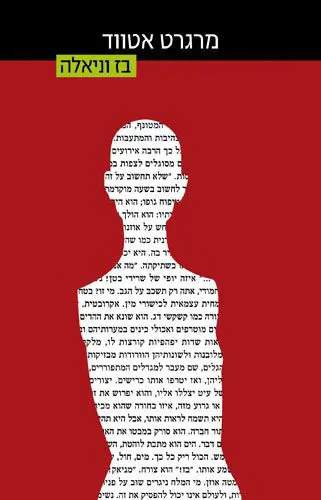
בז וניאלה/ מרגרט אטווד
הוצאת כנרת זמורה דביר, 2003, 398 עמודים
דירוג SIVI –
איכות אודיו –
MaddAddam #1
Oryx and Crake / Margaret Atwood
Imagine waking up one day to find yourself almost alone in the world. A world that has changed so completely that time no longer seems to have meaning. It has frozen. Imagine that the water you drink and the food you eat are leftovers from the great destruction that has overtaken the world, and that all you have left is to count your remaining days on earth.
That is Snowman’s world. Snowman is the last remaining survivor of the human species. Like many people in catastrophe, he feels compelled to tell and record what happened, how the world, and he himself, reached the state they are in.
Atwood uses this opportunity to lay out her vision of the future before the reader. Snowman’s world resembles our own and does not resemble it. She unsettles the reader, who constantly feels that the world she describes is somehow familiar. Atwood steers toward the final destination at the end of a slippery slope with no brakes: the destruction of humanity as we know it.
Through small things, such as the relationship between three friends, Jimmy, Crake and Oryx, or the descriptions of the disintegrating families of the three children, Atwood tells the story of arrogant humanity, so proud and self-assured that it brings destruction upon itself.
I found many different influences in the story, beginning with the story of expulsion from Eden, which is presented to the reader directly and with no real attempt to hide it, and continuing through Freud’s Totem and Taboo, which describes why human beings needed to invent gods for themselves.
I felt that the story is not really about the characters themselves, but about their actions. It focuses less on their emotions and thoughts. Of course, from time to time there are flashes of feeling and thought, but they are not personal so much as universal in essence. Even the descriptions of the lives of the three friends felt less personal and more universal. They seemed to me more like archetypes than real people. I did not manage to feel empathy for them as individuals. Instead, the thought kept nagging at me that there are many children like them in the world, so what makes these ones different?
I also felt that in some parts, the story was not completely sewn together. One question still nags at me: how exactly did only Snowman survive? Some of the explanations Atwood gives are simply not enough.
But Atwood’s genius is genius. There is no doubt that she knows how to tell a story that sustains an entire book. There is no doubt that she knows how to do research; the influences are visible at every turn. I was impressed by the immense knowledge she managed to gather and present to the reader.
I am already waiting for the next book to be published in Hebrew.
Highly recommended.
לגלות עוד מהאתר Sivi's Books
Subscribe to get the latest posts sent to your email.