
Silence מתרחש ביפן של המאה ה־17, לאחר שהשלטון אסר את הנצרות וגירש את המיסיונרים מן המדינה. קהילות נוצריות המשיכו להתקיים במחתרת, תחת רדיפות ועינויים שנועדו לא רק להעניש את המאמינים, אלא לכפות עליהם להתכחש בפומבי לאמונתם. בתוך המציאות הזאת שולח שוסאקו אנדו כומר פורטוגזי צעיר למסע שמתחיל בשליחות דתית ומסתיים בעימות אכזרי עם גאווה, ספק ושתיקתו של האל.
בשנת 1543 הגיעו המסיונרים הנוצרים הראשונים ליפן. הם היו בעיקר פורטוגזיים ממסדר הישועים. בשנים שעד 1600, התפשטה הנצרות ביפן ונכנסו למדינה גם מסיונרים מספרד. בשיא התקופה היו ביפן כ- 300 אלף יפנים שהומרו לנצרות אולם החל משנת 1614 החל דיכוי הנצרות בכח וטרור ע"י השלטונות היפנים עד להכחדתה הכמעט סופית בתחילת המאה ה- 18.
מה שצריך לדעת
רומן היסטורי על הכומר הפורטוגזי רודריגז, שמגיע בחשאי ליפן של המאה ה־17 כדי לסייע לנוצרים נרדפים ולאתר את מורו, שעל פי השמועה התכחש לאמונתו.
לקוראים שמתעניינים באמונה, כפירה, רדיפה דתית, יפן ההיסטורית, מפגש בין תרבויות ובספרים שאינם מציעים תשובות מוסריות נוחות.
הפער בין אידיאל הקדושה המעונה לבין הסבל הממשי של המאמינים המקומיים, והשאלה מה נותר מן האמונה כאשר האל שותק מול עינויים.
בחלקים מסוימים הספר שוקע זמן רב מדי בדיונים על אמונה ודת. למרות זאת, העימות המוסרי והתרבותי נותר חזק ומעורר מחשבה.
זהו סיפורו של הכומר הפורטוגזי רודריגז שבשנות ה- 40 של המאה ה- 17 הגיע ליפן במסווה כדי לסייע לאחיו הנוצרים הנרדפים וכדי לאתר את האב הרוחני שלו, הכומר פררה, שנטען כי המיר את דתו. רודריגז לא יודע דבר כמעט על יפן או היפנים למעט מידע שקיברטיל מנוסעים שחזרו משם. המידע ברובו מופשט ולא קונקרטי אבל הוא מאמין שאם יש נוצרי אחד הוא יציל את נשמתו. הוא מאמין שגם אם יעבור עינויים הוא לא ימיר את דתו, הוא מעדיף למות כקדוש מעונה. כמה תמים וגאוותני.
הספר מתאר באמצעות יומנים ומכתבים, את מסע היסורים של רודריגז שנאלץ לסבול עינויי נפש גדולים, להתמודד עם עינויים פיזיים של בני קהילתו ולהחליט האם הוא מוותר על בני קהילתו או על אלוהיו. במהלך כל הסיפור הוא ממתין שאלוהיו ישמיע קול לנוכח הסבל הנוראי שעוברים מאמינים שנתקלים בו ושמסייעים לו. אבל אלוהיו מחריש דבר שיותר ויותר מערער את האמונה והדבקות הלא מסוייגים שלו. רודריגז לא שיער בנפשו עד כמה השלטונות היפנים מתוחכמים ונחושים למגר את הנצרות מהשורש. הוא לא שיער את ההתמודדות הקשה עם המפגש הקונקרטי.
מעבר לאספקטים של אמונה, הספר מתמקד בשוני המהותי ובקרע התרבותי שבין היפנים והאירופאים. במשך שנים לאחר הצו השוגוני, שלחו הנוצרים האירופאים מסיונרים ליפן בניסיון להחזיק במאמינים. חלקם לא יצאו מיפן עם הגירוש וכך הפכו לנרדפים וכשנתפסו עברו עינויים קשים. הם שאפו להיות קדושים מעונים כמה גאוותנות וחוסר דאגה לבני הקהילה שלהם שעונו בצורות מזעזעות.
לספר מצורפת הקדמה מאת מרטין סקרוסזה הבמאי, שהבנתי שביים את הספר לסרט. הורדתי לספר כוכב כי בנקודה מסויימת הוא קצת שקע מידי בענייניי אמונה ודת, אבל מעבר לזה הספר באמת חזק ואני רק מצטערת שאין עותק קינדל של הספר הזה, שמעורר המון מחשבות.
Silence/ Shūsaku Endō
Audible, 2008, 7H 39M
דירוג SIVI –
איכות אודיו –
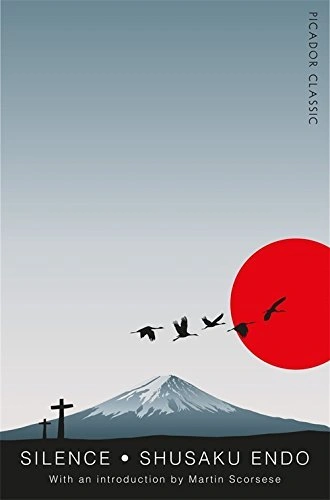
Silence / Shūsaku Endō
Silence is set in seventeenth-century Japan, after Christianity had been banned and foreign missionaries expelled. Christian communities continued to exist in secret, under persecution designed not only to punish believers but to force them to renounce their faith publicly.
Into this reality, Shūsaku Endō sends a young Portuguese priest on a journey that begins as a religious mission and becomes a brutal confrontation with pride, doubt and the silence of God.
The novel tells the story of Rodrigues, a Portuguese priest who secretly enters Japan in the 1640s. He hopes to support the persecuted Christian communities and to find his spiritual mentor, Father Ferreira, who is said to have renounced his faith.
Rodrigues knows almost nothing about Japan or its people beyond vague information gathered from travellers who returned from the country. Yet he believes that if even one Christian remains, he must save that person’s soul.
He is convinced that even under torture he will never deny his faith, and he prefers to imagine himself dying as a martyr. There is devotion in this certainty, but also innocence and pride.
Through journals and letters, the novel describes Rodrigues’s ordeal. He is forced to endure intense psychological suffering, witness the torture of the Christians who protected him, and decide whether he will abandon his community or his God.
Throughout the story, he waits for God to speak in the face of the terrible suffering endured by the believers who help him.
But God remains silent.
That silence gradually undermines Rodrigues’s unquestioning faith and devotion. He had never imagined how determined and sophisticated the Japanese authorities would be in their attempt to eradicate Christianity. Nor had he imagined the difficulty of confronting suffering as a concrete reality rather than as an abstract test of faith.
Beyond its examination of belief, the novel focuses on the profound cultural rupture between the Japanese and the Europeans.
For years after the shogunate’s decree, European Christians continued sending missionaries to Japan in an attempt to preserve the underground communities. Some missionaries remained after the expulsions and became fugitives. When captured, they were subjected to severe torture.
Their desire to die as martyrs reveals a certain pride, and above all a blindness to the price paid by the Japanese Christians who were tortured in order to protect them.
The edition includes an introduction by director Martin Scorsese, who later adapted the novel into a film. Endō’s novel was first published in 1966, and Scorsese’s adaptation was released in 2016.
I deducted one star because, at a certain point, the novel became too absorbed in questions of faith and religion.
Even so, it is a powerful book, and I only regret that I could not find a Kindle edition. It leaves the reader with a great deal to think about.
לגלות עוד מהאתר Sivi's Books
Subscribe to get the latest posts sent to your email.