
Please scroll down for an English review.
Quiet מאת Susan Cain מבקש לערער על עולם שמתגמל נוכחות רועשת, ביטחון מוחצן ויכולת לשווק את עצמך בכל חדר. קיין טוענת שהתרבות המערבית הפכה את המוחצנות לאידיאל, ובדרך למדה להתעלם מן הכוח של אנשים שחושבים לפני שהם מדברים, עובדים טוב יותר לבדם ואינם זקוקים לקהל כדי לייצר רעיון טוב.
אני מודה מראש שספרי פסיכולוגיה פופולרית אינם הז׳אנר החביב עליי. חלקים מן הספר עניינו אותי מאוד, בעיקר הדיון בעבודת צוות, ביצירתיות ובתגובה לתגמול. אבל בשלב מסוים הטענה בזכות המופנמים חוזרת על עצמה עד שהיא מתחילה להישמע פחות כמו מחקר ויותר כמו מסע יחסי ציבור. אם כבר פסיכולוגיה אז פסיכולוגיה אבולוציונית שמדגימה גם את ההתפתחות של הפערים בין בני האדם ואת היתרונות והחסרונות שבכל צורת התפתחות. לכן, יתכן שהציון שננתי לספר לא משקף אותו באמת ראיתי המון סקירות שפשוט עפו על הכותבת ועל הספר ואני אישית יכלתי להסתפק בהרצאה שלה בטד – כוחם של המופנמים
"שקט" עוסק בעולם של המופנמים מול עולם המוחצנים. החלוקה אינה דיכוטומית וגם מסתבר שקיימים טיפוסי אמצע, אבל קיין מבססת את האבחנה על מופנמות/ מוחצנות על סולמות מדידה אישיותיים, שגם אתם אם תקראו את הספר תוכלו לאבחן את עצמכם. סוזן קיין משייכת רבות מההמצאות והפיתוחים שהאנושות נהנית מהם לטיפוסים שהיא מאבחנת כמופנמים. היא מסבירה את השוני ההתנהגותי בין האופן שבו מתנהגים מוחצנים היודעים "לדבר" את עצמם אל הצמרת "ולשווק" את עצמם ובין מופנמים שבעיקר שותקים וחיים בתוך הראש של עצמם.
מה שצריך לדעת
ספר עיון על מופנמות ומוחצנות, ועל הדרך שבה התרבות המערבית הפכה ביטחון, דיבור ונוכחות חברתית לאידיאל כמעט מחייב.
לקוראים שמתעניינים באישיות, תרבות ארגונית, יצירתיות, עבודת צוות והאופן שבו אנשים מגיבים אחרת לגירויים ולתגמולים.
הדיון בעבודת צוות, בירידה ביצירתיות בקבוצות גדולות ובהבדלים בין מופנמים למוחצנים ביחס לסיכון ולתגמול.
הספר חוזר שוב ושוב על יתרונות המופנמות, ולעיתים נשען על סיפורים אישיים במקום על בסיס מחקרי משכנע. בשלב מסוים הטענה מתחילה להתיש.
היא בעיקר מסבירה ששני הטיפוסים נבדלים בתגובה לגירויים חיצוניים ובאופן שבו הם מתפקדים ביחס לגירויים הללו. כדי להוכיח את התזה שלה היא מבקרת באוניברסיטת הווארד, אירגונים גדולים ובכנס של הכנסיה. היא מביאה דוגמאות רבות ומגוונות למופנמים ולאופן ההתמודדות שלהם עם הסיטואציה וגם לאופן שבו תרבות היא גורם במופנמות האנושית.
החלק שהכי עיניין אותי בספר, היה העיסוק ביעילות של עבודת צוות. התחברתי לכל מה שהיא מתארת בפרק הזה כולל הירידה ביעילות וירידה ביצירתיות ככל שישנם יותר שותפים למשימות. חלק אחר מעניין עוסק ברגישות לתגמול חיובי. אחת הטענות של קיין היא שטיפוסים המוגדרים מופנמים, פחות רגישים לתגמול חיובי וכך גם פחות מצפים לתגמול חיובי ומכאן פחות נוטים להסתכן בכדי להשיג אותו. גם החלק שעוסק באופן שבו מצבים שונים משפיעים על המופנמות / מוחצנות של האדם מעניין.
אז כן ישנם חלקים מעניינים בספר, מצד שני הסופרת משקיעה המון זמן ומאמץ בספר להוכיח לקוראים שהעולם מבוסס על גאונים מופנמים שבלעדיהם האנושות לא היתה מגיעה לאן שהגיעה. היא גם מרכזת מאמץ להוכיח כמה זה נפלא להיות מופנם ועד כמה העולם העכשווי מקפח את המופנמים או לחילופין עד כמה המופנמים נפלאים, מצטיינים ונהדרים בכל שדה ושדה של הפעולה העיסקי והאקדמאי. בשלב מסויים כל המהלך הזה די הופך מאוס, לעוס ומשעמם והחידוש פג.
אז אם אתם מופנמים, אין ספק שהספר יעניין אתכם. אבל אם אתם לא מופנמים מובהקים, אני לא יודעת אם תמצאו עיניין בכל התיאורים והמקרים בספר שלעיתים גם לא מבוססים מדעית אלא על מקרים אישיים שלמעשה מבחינתי מנתקים את הקשר המדעי.
Quiet/ Susan Cain
Kindle Edition, 2012, 333 Pp
דירוג SIVI –
איכות אודיו –
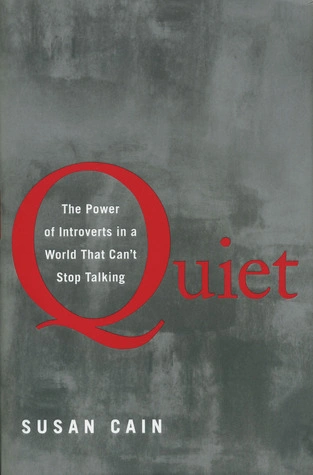
Quiet: The Power of Introverts in a World That Can’t Stop Talking / Susan Cain
Quiet by Susan Cain challenges a world that rewards loud presence, outward confidence and the ability to promote yourself in every room. Cain argues that Western culture has turned extroversion into an ideal and, in the process, learned to overlook the power of people who think before they speak, work better alone and do not need an audience in order to produce a good idea.
I should admit from the start that popular psychology is not one of my favorite genres. Some parts of the book interested me greatly, especially the discussions of teamwork, creativity and responses to reward. But at a certain point, the argument in favor of introverts repeats itself so often that it begins to sound less like research and more like a public-relations campaign.
Quiet examines the world of introverts in relation to the world of extroverts. The division is not absolute, and there are also people who fall somewhere in the middle. Cain bases her distinction between introversion and extroversion on personality scales that readers can also use to examine themselves.
Cain attributes many of humanity’s inventions and developments to people she identifies as introverts. She explains the behavioral difference between extroverts, who know how to talk and promote themselves to the top, and introverts, who tend to remain silent and spend much of their time inside their own minds.
Her central claim is that the two types differ in their response to external stimulation and in the way they function in relation to it. To support her argument, she visits Harvard, large organizations and a church conference. She offers many examples of introverts, the way they cope with different situations, and the role culture plays in shaping human introversion.
The section that interested me most dealt with the effectiveness of teamwork. I strongly connected with Cain’s description of how efficiency and creativity decline as more people are added to a task.
Another interesting section examines sensitivity to positive rewards. Cain argues that people defined as introverts are less responsive to positive reinforcement, expect it less, and are therefore less likely to take risks in order to obtain it. The discussion of how different situations influence a person’s level of introversion or extroversion is also worthwhile.
There are certainly interesting parts in this book. On the other hand, Cain spends an enormous amount of time and effort trying to convince readers that the world was built by introverted geniuses without whom humanity would never have reached its current achievements.
She also devotes considerable energy to proving how wonderful it is to be an introvert, how much the modern world discriminates against introverts, and how talented, exceptional and admirable they are in almost every business and academic field.
At a certain point, this argument becomes repetitive, overworked and dull, and the novelty disappears.
If you are an introvert, the book will probably speak directly to you. If you are not strongly introverted, I am less certain that you will remain interested in all the examples and case studies. Some of them are not firmly grounded in scientific evidence, but rely instead on individual stories that, for me, weaken the book’s scientific connection.
לגלות עוד מהאתר Sivi's Books
Subscribe to get the latest posts sent to your email.