הלווייתן מבבל הוא רומן פנטזיה אפית ישראלי לנוער, עם עולם מקביל, מיתולוגיה מסופוטמית ורעיונות שאפתניים על כוח, רגשות ושליטה. יש כאן דמיון, הומור וכתיבה סוחפת, בעיקר בדינמיקה בין יונתן לפזוזו. הבעיה היא שהספר מעמיס עוד ועוד עלילות, מיתוסים וחוקי עולם, בלי לחבר אותם למבנה קוהרנטי.
אביהם של יונתן ואלה פיתח תרופה נגד המחלה של אימם שהיתה מאושפזת בבית חולים לנפגעי נפש. לילה אחד ביתם עובר התקפה, התרופה נגנבת ואביהם נפצע. בעקבות אירועים אלה יונתן ואחותו אלה נשאבים אל עולם אחר שבו שולטים אחשדרפנים. זה עולם הנשלט ע"י פחד מהדיכאון ומרגשות עצובים ומונע ע"י שליטה מלאה בחייו של האדם.
מה שצריך לדעת
הספר הראשון בטרילוגיית הלווייתן מבבל. יונתן ואלה נשאבים לעולם מקביל של אחשדרפנים, יצורים מיתולוגיים, מאבקי כוח וסכנות הקשורות לתרופה שפיתח אביהם.
לקוראים שאוהבים פנטזיה אפית, עולמות מקבילים, מיתולוגיה מסופוטמית, ספרות נוער, מסעות, ממלכות ועלילות עמוסות בדמויות וברעיונות.
הדמיון, ההומור והכתיבה הסוחפת, ובעיקר הדינמיקה בין יונתן לפזוזו. גם השימוש במיתולוגיה הבבלית והמסופוטמית מעניק לעולם אופי ייחודי.
העלילה עמוסה ולא עקבית, חוקי המעבר בין העולמות אינם ברורים, ציר הזמן מתפרק והמיתולוגיות השונות אינן מתחברות למערכת קוהרנטית.
יש אספקטים מעניינים בסיפור והרעיון עצמו מעניין, גם הכתיבה שואבת ומשעשעת – במיוחד החלקים של פזוזו ויונתן. אבל הספר הזה הוא כזה בלגן קטסטרופלי שקשה לי להבין את התשבוחות שעפו עליו.
עלילה רודפת עלילה ולפעמים קשה להבין כיצד כל העלילות מתחברות.
השימוש במיתולוגיה המסופוטמית (בבלית /אשורית) לא עקבית וחבל לדוגמא ב – snow crash ניל סטיבנסון עושה שימוש מופלא במיתולוגיה האשורית ובהתפתחות השפות השמיות בבסיס עלילת הספר. הוא הופך את ההטמעה של סיפור התפתחות השפה לאמנות. פה לעומת זאת גם אין שימוש עיקבי בסיפורים אבל גם יש עירבוב בלתי נסבל בין סיפורים תנכיים (כמו לדוגמא סיפור מגדל בבל) למיתולוגיה כנענית (דמויות של בני אדם משולבות בחיות, סיפור המפלצות הימיות) ומיתולוגיה מסופוטמית (סיפור המלחמה בין מורדוך ותיאמת). אני לא מומחית למיתולוגיה בבלית או כנענית אבל יש לי מושג בסיסי בסיפורים שלהם ובמיוחד בסיפור הבריאה הבבלי ובמלחמה בין מורדוך לתיאמת שבסופו לפי מיטב זיכרוני תיאמת מפסידה , מתה וכל בניה נרצחים.
דבר נוסף שנורא מפריע לי הוא שצמד הדמויות יונתן ואלה עוברות בין העולמות, אבל למעשה זה אותו עולם רק בקיום מקביל. העובדה הפעוטה הזו, שמדובר באותו עולם בקיום בהווה שונה אינה מוסברת בספר. כך גם לא מוסבר הקרע בין העולמות והמעבר בינהם כשלמעשה לא אמור להיות מעבר כזה. והכי חשוב הדיפוזיה בין העולמות ששניהם למעשה נשלטים ע"י אנשים רעים ורודפי כח.
ולחלק המפריע ביותר, העלילה מחוררת כגבינה שווצרית. אין בה עקביות בזמנים ובלוח האירועים שקורים. דמויות נעלמות ושבות בלי הסבר כשיונתן או אלה נזקקים להצלה. אלה שהתחילה את הסיפור בת 12 ובסופו היא בת 16 קפצה על 4 שנים בזמן שבחלקים מהספר יונתן קפץ בגיל שלו רק שנתיים. או שיתכן שפשוט לא הבנתי, אבל זה לא חשוב כי מה שחשוב הוא שכל ציר הזמן פשוט נבצר מבינתי.
גם הסיום של הספר לא משהו עם חזרתה של הדודה ריטה המטורפת שמלכתחילה לא הבנתי את החלק שלה בעלילה ועם קרב האיימתני של נסרדור לשלוט בממלכה. הרגשתי שמשהו ממש מתפקשש בעלילה.
הלווייתן מבבל/ הגר ינאי
הוצאת אוקיינוס, 2006, 318 עמ'
דירוג SIVI –
איכות אודיו –
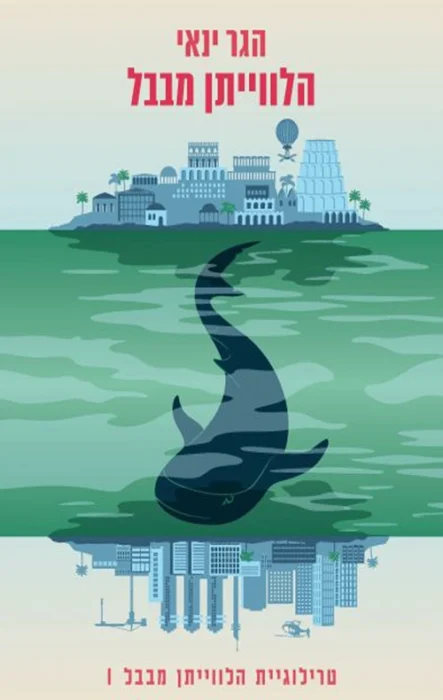
הלווייתן מבבל #1
The Leviathan of Babylon / Hagar Yanai
The Leviathan of Babylon is an Israeli epic fantasy novel for young readers, built around a parallel world, Mesopotamian mythology, and ambitious ideas about power, emotion, and control.
There is imagination here, along with humor and absorbing writing, especially in the scenes involving Yonatan and Pazuzu. The problem is that the novel keeps adding plots, myths, and rules without connecting them into a coherent structure.
Yonatan and Ella’s father developed a medicine for their mother’s illness while she was hospitalized in a psychiatric institution. One night, their home is attacked, the medicine is stolen, and their father is injured.
Following these events, Yonatan and his sister Ella are pulled into another world ruled by satraps. It is a world shaped by fear of depression and sadness, and by a system that seeks to control every aspect of human life.
There are interesting elements in the story, and the central idea has real potential. The writing is also absorbing and funny, especially in the sections involving Pazuzu and Yonatan.
But the novel is such a catastrophic mess that I find it difficult to understand the praise it received.
One plot chases another, and at times it becomes difficult to understand how any of them connect.
The use of Mesopotamian, Babylonian and Assyrian mythology is inconsistent. This is especially disappointing when compared with Neal Stephenson’s Snow Crash, which makes remarkable use of Assyrian mythology and the development of Semitic languages as part of its central plot.
Stephenson turns the integration of linguistic history into an art. Here, in contrast, biblical stories, Canaanite mythology and Mesopotamian mythology are combined without creating a clear internal system.
Human figures merge with animals, sea monsters appear, the Tower of Babel enters the story, and the war between Marduk and Tiamat becomes another layer in an already overloaded world.
I am not an expert in Babylonian or Canaanite mythology, but I know the basic stories, especially the Babylonian creation myth and the conflict between Marduk and Tiamat, at the end of which Tiamat is defeated and killed.
The problem is not that the novel combines different mythologies. Fantasy is allowed to do that. The problem is that the mixture is not governed by clear internal laws.
Another issue is that Yonatan and Ella move between worlds that appear to be parallel versions of the same reality. This basic fact is never explained properly.
The rupture between the worlds remains unclear, as does the mechanism allowing movement between them. The diffusion between the two realities is equally confusing, especially since both are controlled by violent and power-hungry people.
The most serious problem is that the plot is full of holes.
The chronology is inconsistent, characters disappear and return without explanation whenever Yonatan or Ella needs to be rescued, and the timeline becomes almost impossible to follow.
Ella begins the story at the age of twelve and is sixteen by the end. Four years pass for her, while in other sections Yonatan seems to age by only two years.
It is possible that I simply misunderstood the chronology, but that is almost beside the point. A timeline should not require an archaeological expedition in order to understand it.
The ending is not especially successful either. Aunt Rita returns, although I never understood her function in the plot, and Nasradur’s great battle for control of the kingdom creates more noise than resolution.
By the final pages, I felt that something had gone badly wrong inside the story.
The Leviathan of Babylon contains imagination, humor and several strong ideas. It also contains too many plots, too many mythological systems and too little internal order.
The result is an epic fantasy novel whose world invites curiosity, but whose structure makes it extremely difficult to follow.
לגלות עוד מהאתר Sivi's Books
Subscribe to get the latest posts sent to your email.