Please scroll down for an English review.
סיפורים בלתי־רצוניים של אורלי קסטל-בלום הוא קובץ סיפורים קצר, משונה ומנוכר, שמשרטט עולם שבו אנשים רוצים להישמע, להשתייך, להיות מובנים, אבל שוב ושוב נתקלים בקיר. עוד לפני שהמסכים הפכו אותנו לאנשים שמדברים בלי באמת להקשיב, קסטל־בלום כתבה על בדידות, תקשורת כושלת, חיפוש אחר מקום, ועל הפער הכואב בין הרצון להיות חלק ממשהו לבין המציאות שבה כל אחד נשאר לבד עם עצמו.
מה שצריך לדעת
קובץ סיפורים קצרים של אורלי קסטל־בלום, העוסק בדמויות שמנסות לתקשר, להשתייך ולהיות מובנות בתוך מציאות מנוכרת, אבסורדית ולא יציבה.
לקוראים שאוהבים סיפורים קצרים, פרוזה ישראלית לא ליניארית, ריאליזם סוריאליסטי, כתיבה על ניכור, בדידות ותחושת זרות בעולם מוכר מדי.
הכמיהה האנושית לשייכות, לתקשורת ולהכרה, מול עולם שמחזיר לדמויות אי־הבנה, בדידות ותחושה מתמדת של חוסר מקום.
זהו קובץ משונה ומקוטע, שלא בנוי סביב עלילה אחת גדולה, אלא סביב רגעים, תחושות וסיטואציות שמצטברות למבט חד על ניכור מודרני.
הספר מציג סדרה של סיפורים קצרים שמבוססים על רגעים חולפים, טעויות אנוש, ותחושות של בדידות במציאות שמובילה את הדמויות לאי-נוחות מתמדת. אם נעקוב אחרי המסר בזהירות, קסטל-בלום משרטטת את תולדות הניכור המודרני, עוד לפני שהטכנולוגיה פרצה לחיינו וניתקה אותנו (כמעט) מהאנושיות שלנו.
הסיפורים בספר עוסקים במגוון נושאים, אך כל אחד מהם מציב את הדמות הראשית במפגש עם מציאות קשה, שמערערת את עולמה הרגשי והמנטלי. בין אם מדובר על מערכות יחסים שמתפרקות, תחושות של חוסר שליטה, או בדידות קיומית, קסטל-בלום מצליחה לתפוס את הרגעים הקטנים הללו שמרכיבים את החיים, ומציגה אותם בצורה מאוד אותנטית. הדמויות בסיפורים לא תמיד פועלות מתוך מניעים הגיוניים או רציונליים, אלא יותר מתוך חוויות פנימיות עמוקות, שמולידות את ההחלטות והתגובות שלהן.
בסיפור "עם אורז לא מתווכחים" מתאר כיצד בת דמותה של הסופרת חולמת על קיבוץ בית השיטה, מקום שמבחינתה מגלם את תמצית השייכות וההשתייכות האידיאולוגית. אבל כשהיא מנסה להגשים את החלום, הוא לא מצליח להציע מענה אמיתי שכן גם במקום הזה, היא חווה עירעור בלתי פוסק על הערכים והאידיאולוגיות שהיא מאמינה בהם, ועל עצמיותה, יצירתה וערכה.
"עם אורז לא מתווכחים" משדר את התחושות הקשות שנובטות בה כאשר היא מבינה שהיא לא תהיה חלק מהקהילה, גם לא בזכות העשייה הספרותית שלה. החברה, שמאמצת את האמת הזאת כעקרון בלתי ניתן לערעור, דורשת ממנה דרישות לא ברורות או הגיוניות. כל חיפוש אחרי מקום מובנה ומסודר נתקל באי-הבנה פנימית, ובתחושת בידוד שמובילה לניכור הולך וגובר.
ניכור זה מקבל משנה תוקף גם בסיפור "האישה שחיפשה ווקי טוקי", שבו הדמות מנסה לשדר לעולם את מחשבותיה באמצעות מכשיר ווקי טוקי, אך למעשה נותרת מנותקת ומבודדת.
"הם אמרו לה שווקי טוקי זה כמו גרביים, נעליים או כפפות, שזה הולך בזוגות – ושתחפש פרטנר. אנשים לא רצו להיות פרטנרים שלה, כי היו להם דברים אחרים לעשות,"
תחושת בידוד של הגיבורה שרוצה לתקשר, לשדר את עולמה הפנימי, אך כולם מסביב לא באמת מוכנים לקחת חלק בשיחה. זהו אבסורד נוסף של המציאות: האישה מציעה את עצמה לעולם, אבל לא מוצאת שותפים באמת.
אין הבדל גדול בין העולם שאורלי קסטל-בלום מתארת לעולם המודרני שבו כל אדם חי את חייו מול המסך. אם כבר, התופעות שהיא מתארת החריפו. בשני העולמות, שולט המאבק האוניברסלי להישאר נאמן לעצמך בסביבה שמזמינה התפשרות או שקר. כל אחת מהדמויות בסיפור מתמודדת עם מאבק פנימי, בין הרצון להיות נאהבת לבין הצורך לשמור על עצמאות, בין הכמיהה לתקשורת משמעותית לבין תחושת הניכור.
קסטל-בלום, דרך דמויותיה, לא מציגה רק ניכור פנימי אלא גם ניכור שמגיע ממקום שבו האנשים רוצים לשדר ולהתחבר, אך העולם לא מאפשר להם את החיבור הזה. זהו ניכור הרבה יותר עמוק מזה שבין דמות לדמות – מדובר בניכור בין האדם לעולם שבו הוא חי. בעוד שבמציאות של קסטל-בלום, הדמויות נפגשות, מנסות להקשיב ולהבין אחת את השנייה, אף אם בסופו של דבר הן לא מוצאות את מקומן, בהווה בני האדם אפילו לא מנסים להתחבר. השיח הווירטואלי לא מחליף את האינטראקציה האנושית ואף מקצין את הניכור מהאחר. לא פלא שתופעות כמו אלימות מילולית במרשתת מתפשטת בחסות הניתוק הזה. מאחורי המסך אין אנשים, אין אנושיות וכל דאלים מלך.
לסיכום, למרות תחושת הדה ז'ה וו שקיבלתי מרוב הסיפורים בקובץ, ולמרות השוני בין התקופה שקסטל- בלום מתארת להווה, יש בסיפורים סוג של צלילות שנובעת מהמבט הרטרוספקטיבי שהיא מציעה. בשילוב בין ראליזם לסוריאליזם קסטל- בלום מצליחה לחשוף את הכמיהה האנושית להיות מוערך, בעל שייכות ונאהב. היא חושפת את הפערים שבין הרצון להיות חלק ממערכת לבין המציאות שבה כל אחד לעצמו, ולזעזע את הציפיות שלנו ממערכת חברתית שמשתנה כל הזמן.
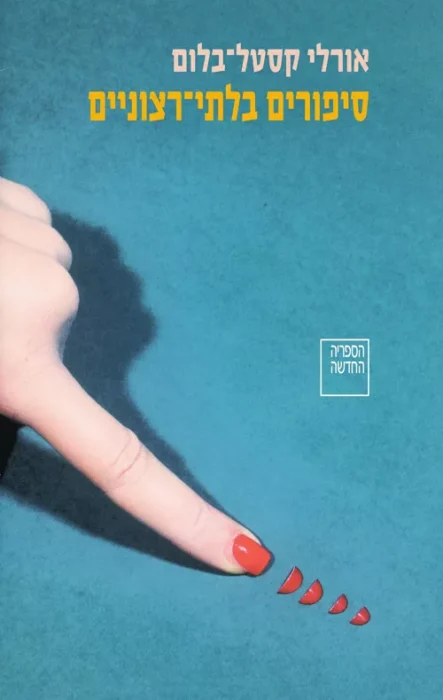
סיפורים בלתי-רצוניים/ אורלי קסטל-בלום
הוצאת הספריה החדשה, 2024, 113 עמ'
דירוג SIVI –
איכות אודיו –
**Unintended Stories** by Orly Castel-Bloom challenges the reader by presenting encounters with the inner worlds of characters who experience alienation, disappointment, and a constant search for meaning. Castel-Bloom, one of the leading figures in Hebrew literature, creates a universe in which each story is chaotic and confusing yet filled with sincerity and personal pain.
The book features a series of short stories that explore fleeting moments, human errors, and feelings of loneliness, leading the characters into persistent discomfort. If we examine the messages closely, Castel-Bloom sketches the history of modern alienation, even before technology began to disconnect us from our humanity.
Bloom's life seems to be on the rise, and the stories touch on various themes. Still, each place sees Bloom's life seemingly on the rise; one place puts the main character in a confrontation with complex realities that disrupt their emotional and mental stability. Whether addressing broken relationships, feelings of helplessness, or existential loneliness, Castel. This place seems to present Bloom's life in a moment's rise with authenticity.
The characters often do not act on logical or rational motives; instead, they respond to profound inner experiences that shape their decisions and reactions.
In the story "With Rice, You Don’t Argue," the character, who appears to be a stand-in for the author, dreams of Kibbutz Beit HaShita, a place that symbolizes for her the essence of belonging and ideological connection. However, when she attempts to realize this dream, she finds that it fails to provide genuine fulfillment. Even in this setting, she grapples with a relentless questioning of the values and ideologies she holds dear, as well as her own identity, creativity, and worth.
This feeling of alienation is emphasized in the story "The Woman Who Wanted a Walkie-Talkie," where the character tries to express her thoughts to the world through a walkie-talkie, only to remain isolated and disconnected. The protagonist longs to communicate and share her inner world, yet those around her are not open to engaging in conversation. This absurdity reflects a reality where the woman offers herself to the world but struggles to find helplessness and genuine connection.
There is little distinction between the world that Orly Castel-Bloom depicts and a universal battle, often failing to engage in the modern world, where a universal struggle exists, and the modern tendency is a universal battle, in which individuals live their lives in front of screens. If anything, the phenomena she describes have intensified.
In both scenarios, there exists a universal struggle to remain true to oneself in an environment that encourages compromise or deceit. Each character faces an internal conflict between the desire to be loved and the need to maintain independence, between the yearning for meaningful communication and the experience of alienation. Through her characters, Castel-Bloom not only portrays internal alienation but also reflects a broader disconnection where people seek connection and expression, yet the world denies them that opportunity. This alienation runs much deeper than the distance between characters; it is about the disconnect between individuals and the world they inhabit.
In Castel-Bloom's narratives, characters meet and strive to listen to and understand one another, even if they ultimately do not find their place. In contrast, in today's reality, people's contemporary interactions, and often even attempts to interact, usually fail in the modern world, where a universal struggle exists, and the contemporary world struggles to connect. Virtual communication does not replace human interaction in the modern world, where a universal battle exists and often exacerbates feelings of alienation. It is no surprise that phenomena such as online verbal abuse proliferate in this era of detachment. Behind screens, there is a lack of humanity and empathy for others.
In conclusion, although many of the stories in this collection evoke a sense of déjà vu and the contexts differ between Castel-Bloom’s time and the present, they possess a clarity that arises from her retrospective perspective. By blending realism with surrealism, Castel-Bloom exposes the human longing for appreciation, belonging, and love. She reveals the gaps between the desire to be part of a community and the reality in which everyone feels isolated, prompting a reevaluation of our expectations from a constantly changing social landscape.
לגלות עוד מהאתר Sivi's Books
Subscribe to get the latest posts sent to your email.