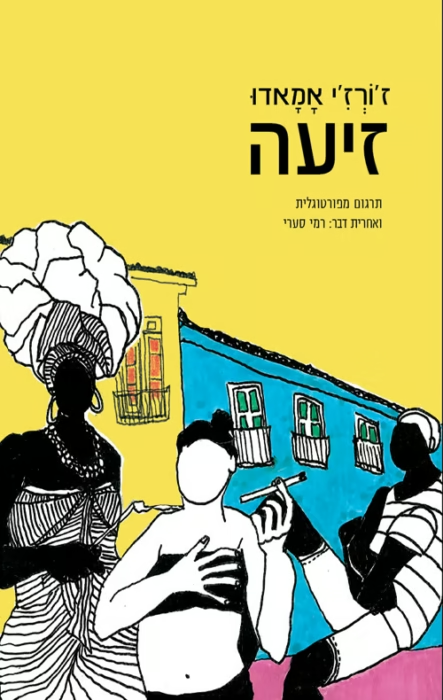
ספרו השלישי של ז'ורז' אמאדו עוסק בתושבי הפריפריה והביבים של שיכון במדרון פלוריניו שבבאיה בברזיל. הספר מורכב מפסיפס של דמויות שוליים נדכאות: כובסות, תופרות, מובטלים, זונות, דרי רחוב כולם קבצנים ועשוקים, מנוצלים ע"י בעלי ההון שרומסים אותם באכזריות עד לאיבוד צלם אנוש. ובכל זאת, בתוך הכאוס החברתי, בסיפורים, ניתן למצוא יופי ונחמה בעזרה, בקהילתיות ובעמידה המשותפת כנגד גזרת המציאות.
מה שצריך לדעת
הרומן השלישי של ז׳ורז׳ אמאדו, שפורסם בשנת 1934 ומציג פסיפס של דיירים עניים ומודרים בבית דירות צפוף ברובע פלוריניו שבסלבדור, באהיה.
לקוראים שאוהבים ספרות חברתית ופוליטית, ספרות ברזילאית, רומנים מרובי דמויות, ביקורת על קפיטליזם ותיאורים ישירים של עוני, ניצול והדרה.
הפסיפס האנושי, התיאור הישיר של תנאי החיים והאופן שבו אמאדו מוצא בתוך המצוקה גם קהילתיות, עזרה הדדית ועמידה משותפת מול מציאות אכזרית.
הדמויות מתפקדות בעיקר כחלק מן התמונה החברתית ואינן מקבלות תמיד עומק אישי או המשך עלילתי. גם רצף מצבי האומללות נעשה לעיתים אחיד וכבד.
הספר רצוף בתיאורים מזעזעים של תנאי החיים, בין חולדות, נחשים בתנאים סניטריים מחפירים בעוני ומרידות. לצד תנאי המחייה הללו, השפה הירודה שמבטאת את הזוהמה שבה הם חיים. רוב הסיפורים מתמקדים בתנאי החיים של הדמויות ולא באפיונים אישיותיים שלהן, אני מניחה כי במצבי קיצון אין חשיבות למאפייני אישיות. הקורא גם לא יודע מה עולה בגורלן של הדמויות והרושם הוא שהסופר ניסה ליצור פסיפס שמתאר מצב סוציו אקונומי ולא תיאור עלילתי או אישי.
לאורך הספר מתוארים מצבי אומללות רבים. נואשות לאוכל, למקום מגורים, לחיים נורמטיביים. וכל האומללות הזו בסופו של דבר דומה אחת לשניה. הסופר לא מיפה את המציאות ולא עוטף אותה. הוא מניע את הקורא לחשוב על הקפיטליזם, על התוצאות שלו ועל האנשים שחיים בשולי החברה והאופן שבו הם שקופים עבורנו, מודרים ומופלים מהחברה בחוסר יכולתם להשתלב במכונה הקפיטליסטית האכזרית.
זהו ספר עם מסר פוליטי מובהק, שפונה למצפון של הקורא.
תרגום מצויין של רמי סערי.
Sweat / Jorge Amado
Jorge Amado’s third novel focuses on the residents of a poor and neglected tenement on the slopes of Pelourinho in Bahia, Brazil. The novel is constructed as a mosaic of oppressed and marginalized characters: laundresses, seamstresses, unemployed workers, sex workers, and homeless people. They are beggars, exploited laborers, and victims of wealthy people who crush them without mercy, sometimes until they almost lose their humanity. Even so, within the social chaos, the stories contain moments of beauty and comfort through mutual aid, community and collective resistance against the conditions imposed upon them.
The novel is filled with disturbing descriptions of daily life among rats, snakes, overcrowding, and appalling sanitary conditions. Alongside these living conditions, the rough language reflects the filth and degradation surrounding the characters. Most of the stories focus on their material circumstances rather than on their individual personalities. I assume that under such extreme conditions, personal characteristics become less important than the struggle to survive.
The reader does not always learn what ultimately happens to the characters. The impression is that Amado wanted to create a mosaic of a social and economic reality rather than a conventional personal or narrative account.
The novel describes many forms of misery: desperation for food, for somewhere to live, and for the possibility of an ordinary life. Eventually, much of this misery begins to resemble everything that came before it.
Amado does not beautify reality or wrap it in comforting language. He forces the reader to think about capitalism, its consequences, and the people living at the edges of society, invisible, excluded, and discriminated against because they cannot become part of the brutal capitalist machine.
This is a novel with a clear political message, directed at the reader’s conscience.
An excellent translation by Rami Saari.
לגלות עוד מהאתר Sivi's Books
Subscribe to get the latest posts sent to your email.